Briefing Better

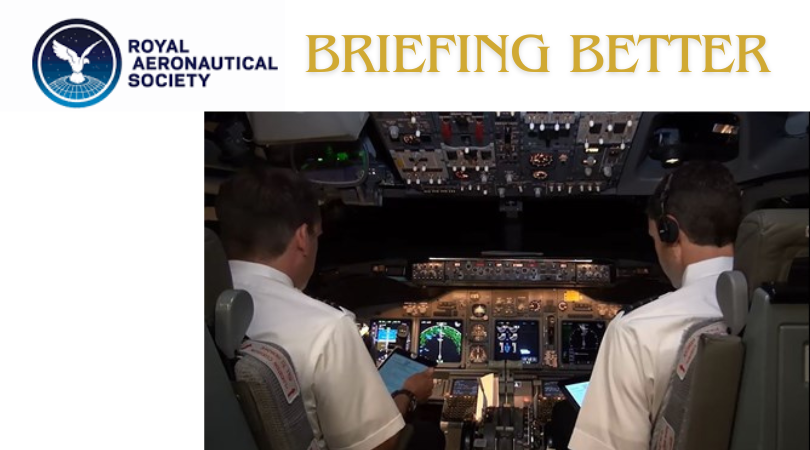
Are lengthy, outdated flight deck briefings really contributing to aviation safety? This article by Captains Rich Loudon and David Moriarty from the Royal Aeronautical society Human Factors Group argues that we need to rethink the way we brief operationally and looks at the specifics of what makes a good cockpit brief and why.

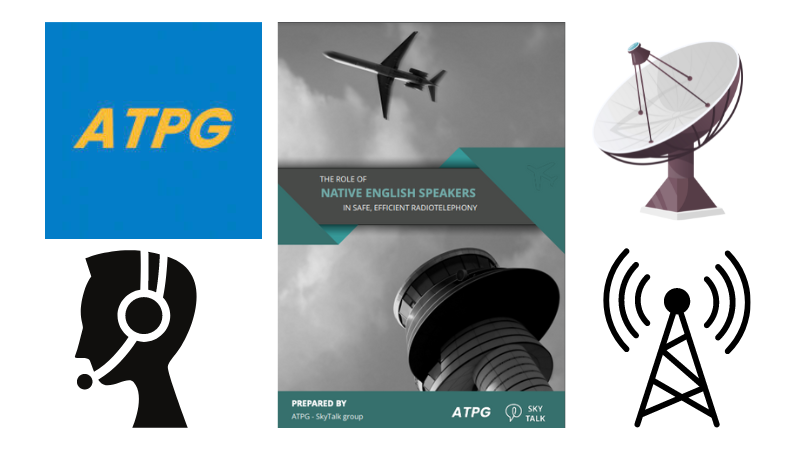
The role of native English speakers in safe, efficient radiotelephony.

Language proficiency does not automatically mean communicative proficiency.

Effective communication in aviation is not merely a convenience, it is a fundamental facilitator of safety, regulatory compliance and efficiency.

This White Paper from the Aircrew Training Policy Group (ATPG) titled The role of native English speakers in safe, efficient radiotelephony focuses on the roles and responsibilities of native English speakers in aviation communications.

The unpleasantness of thinking: a review study on the effect of mental effort.

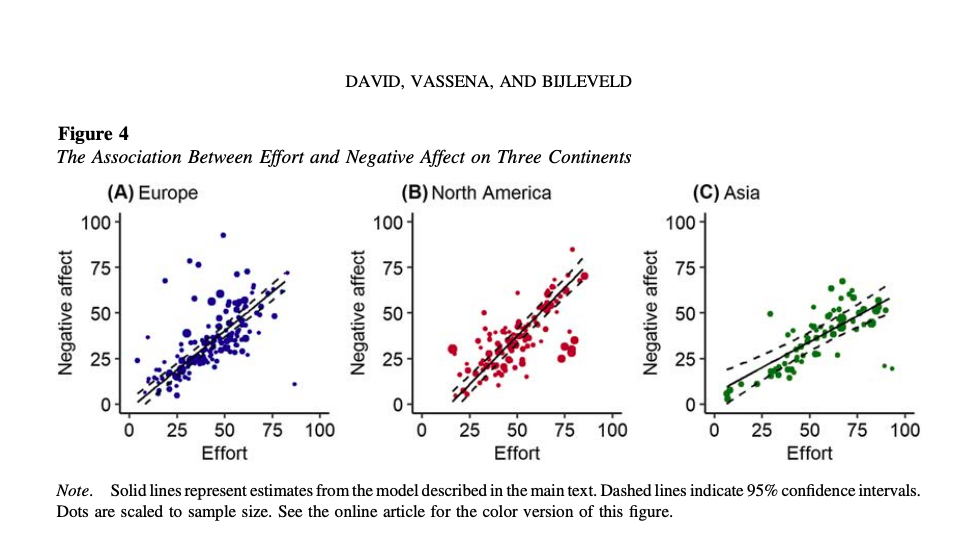
This meta-analysis study notes that although many influential theories in psychology, neuroscience, and economics assume that the exertion of mental effort should feel aversive, this assumption is usually untested, and it is challenged by casual observations and previous studies.

In a review of 170 studies that used the NASA Task Load Index to examine participants’ experiences of effort and negative affect this paper found a strong positive association between mental effort and negative affect.

In aviation this concept might be familiar to us through Daniel Kahneman’s theory of System 1 and System 2 thinking and how we avoid mental effort in the decision-making process. Kahneman argued:

“𝘛𝘩𝘪𝘯𝘬𝘪𝘯𝘨 𝘪𝘴 𝘵𝘰 𝘩𝘶𝘮𝘢𝘯𝘴 𝘢𝘴 𝘴𝘸𝘪𝘮𝘮𝘪𝘯𝘨 𝘪𝘴 𝘵𝘰 𝘤𝘢𝘵𝘴. 𝘛𝘩𝘦𝘺 𝘤𝘢𝘯 𝘥𝘰 𝘪𝘵, 𝘣𝘶𝘵 𝘵𝘩𝘦𝘺’𝘥 𝘱𝘳𝘦𝘧𝘦𝘳 𝘯𝘰𝘵 𝘵𝘰.”

In Focusing On What Pilots Do Wrong, We May Be Missing Valuable Lessons From What They Quietly Do Right

This article from 2019 and published by Forbes, looks at the airline industry and discusses the value in not only studying what pilots do wrong, but also what they do right. The author, Kirsty Kiernan is a professor at Embry-Riddle Aeronautical University. She teaches and conducts research in unmanned systems and aviation safety.

The industry knows a lot about what pilots do wrong, but not nearly enough about what pilots do right. How does the role of the human in the system build in resilience? ‘In aviation safety, it’s like we’ve been trying to learn about marriage by only studying divorce.’

Communications: People keep saying they’re important, but is anyone listening?

This case study by Rebecca Lougheed on The Aviation Space, looks at an incident from September 10th, 2023, when an Air China A320NEO carried out an emergency landing into WSSS/Singapore Changi international airport after the flight deck and cabin filled with smoke. The focus of the case study is on the communications, because as Lougheed points out they were good and not so good, and as ever provide lessons we can all learn from.

Case Study: Deadly Delay: Catastrophic USAF CV-22B Osprey Gear Box Failure

The team at #Aeroassurance bring us this excellent and detailed case study into the USAF accident of one of their tiltrotor CV-22B Osprey aircraft in 2023. This is an interesting case study as it includes an interesting mix of the technical and non-technical aspects of the investigation. Aeroassurance also comment on the organisational aspects of the findings, including some criticism of the USAF Accident Investigation Board because of the significant focus of the investigation on crew actions instead of organisational failings.

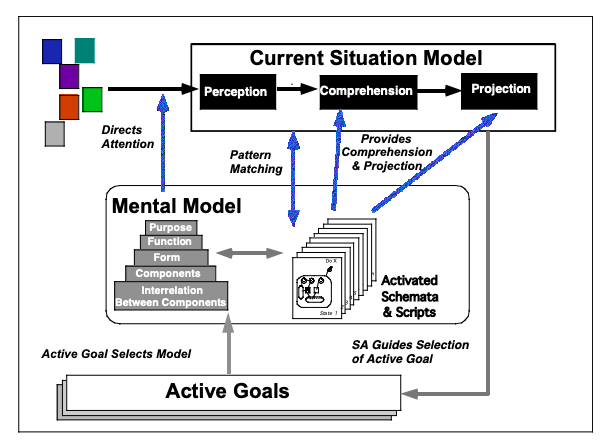
Situational Awareness: The science behind the theory.

Situational awareness is a concept that is very familiar to the aviation community in an applied sense, but have you ever taken a deeper look at its provenance in scientific research and the development of the theory behind what we refer to every day simply as “S-A”? We bring you a summary of the science behind the concept of situational awareness in this accessible paper by the foundational author behind the model of situational awareness, Dr Mica Endsley.

Psychologist Dr Gary Klein discusses Decision-making under conditions of uncertainty.

The AlphaMind is a series of business and marketing related podcasts, but this episode offers us an interview with Gary Klein, the psychologist who pioneered the concept of Naturalistic Decision-Making, which has become a popular way to interpret how pilots make many high pressure high stakes decisions in aviation, or when faced with conditions of uncertainty. In this episode #45 Dr Klein discusses the subject of Decision-making under conditions of uncertainty.

Skip to toolbar