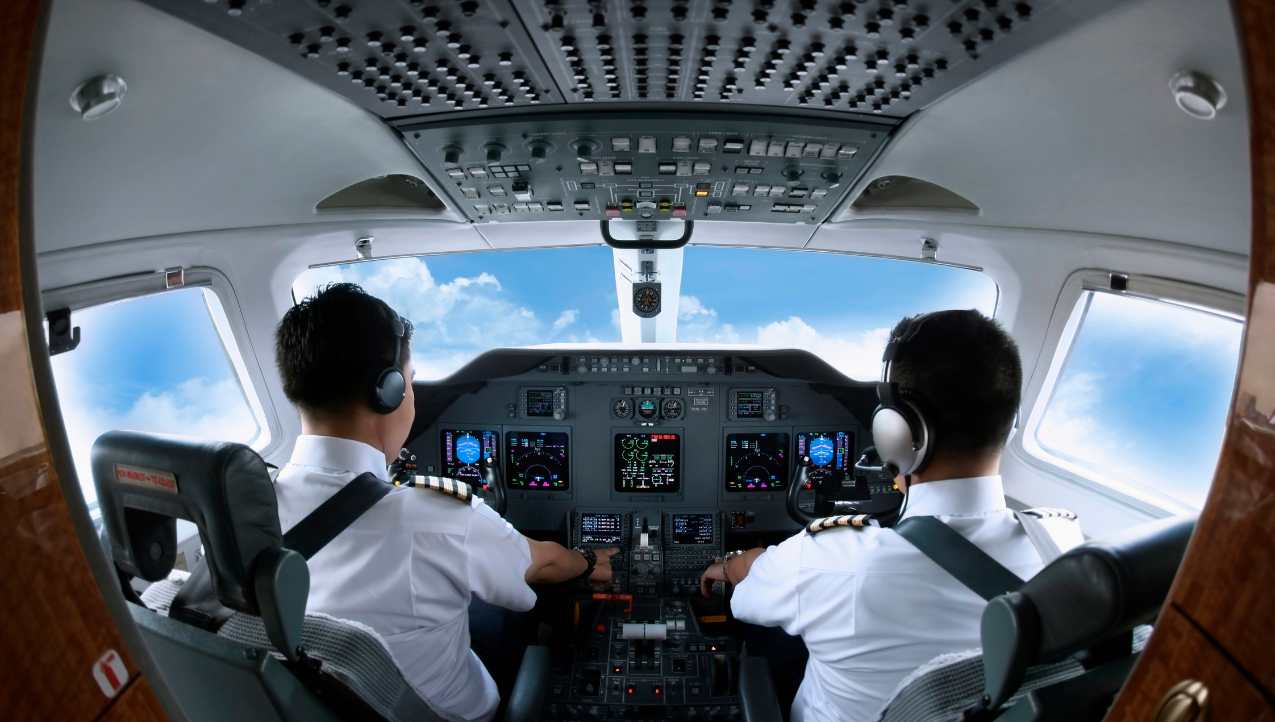
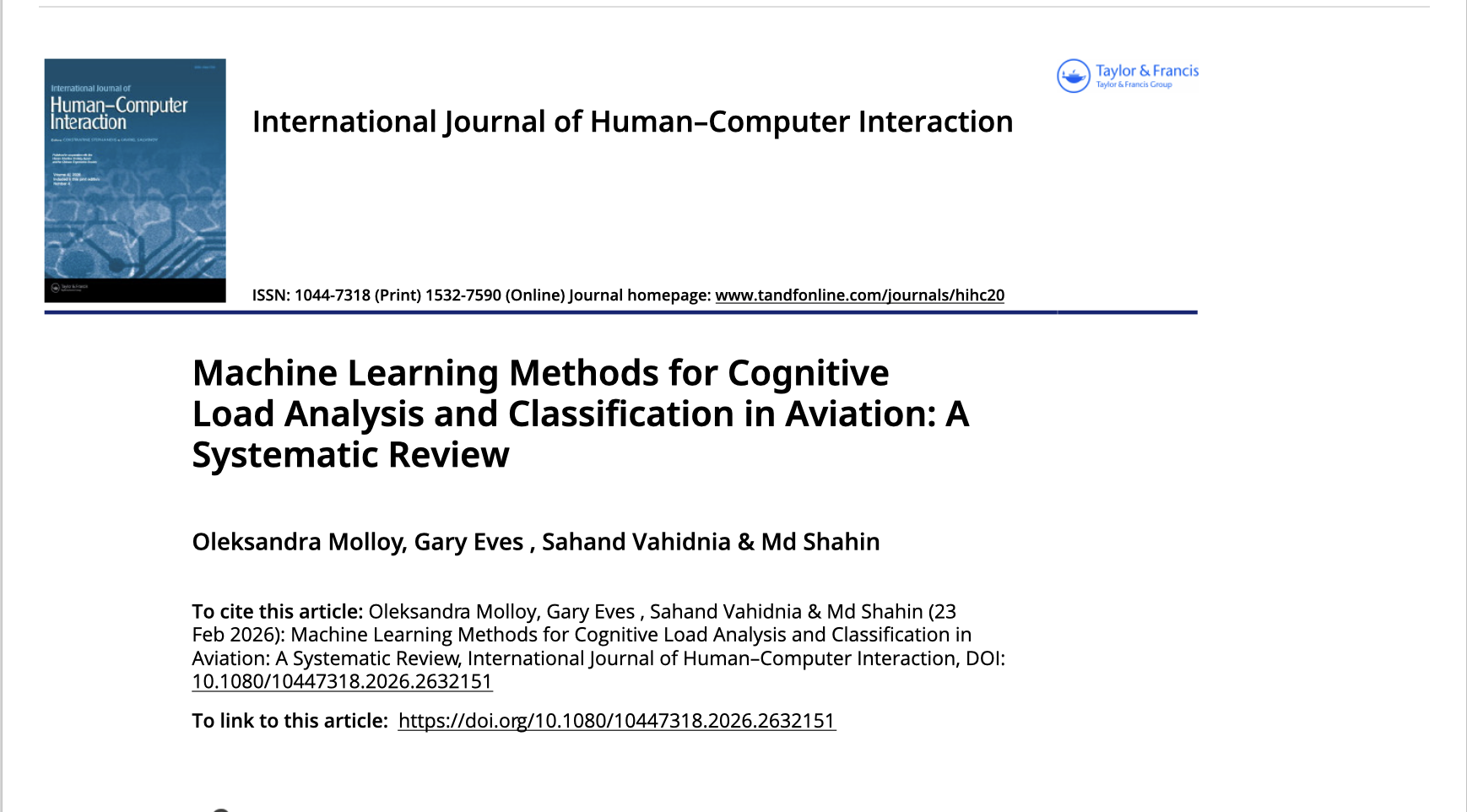
This 2026 systematic review by Molloy et al. highlights the growing role of machine-learning approaches in objectively assessing cognitive workload in aviation through physiological and behavioural data such as EEG, heart rate variability, and eye-tracking. For CRM and human-factors practitioners, the paper is significant because it demonstrates how advances in data analytics may allow workload to be monitored more accurately and potentially in real time, providing deeper insight into how workload influences situational awareness, decision-making, and crew coordination in complex operational environments
The short paper linked here provides an overview of Sweller’s Cognitive Load Theory, which is widely used in instructional design. It is particularly useful for designing instruction that optimizes cognitive load for learners with different levels of expertise.
For CRM developers, the theory offers concrete guidance on how to avoid unnecessary cognitive load.
In this article from competent aviators.com Alex Pollitt examines the limits of cognitive performance and how we can mitigate cognitive overload.
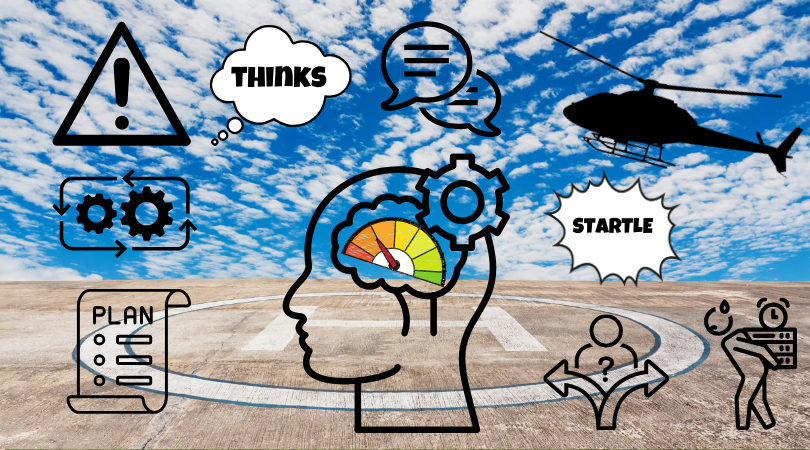
Any conscious mental processing we do that focuses our attention results in cognitive workload. Workload management is about maintaining a balance between level of demand and the mental effort required to meet that demand based on our available resources. Demand can go up, but resource can also go down. When demand outstrips resource the outcome is a decline in performance.
and Procedures for Unexpected events Unexpected events in aviation disrupt crews’ expectations, increase stress and workload, and require rapid sensemaking rather than simple checklist use. This paper argues that safe outcomes depend less on knowing more procedures and more on resilience: the ability to anticipate, monitor, adapt, and recover when things do not go as […]
This video by Laureen Harris explains Christopher Wickens’ MRT theory – using Gordon Ramsay as an example.
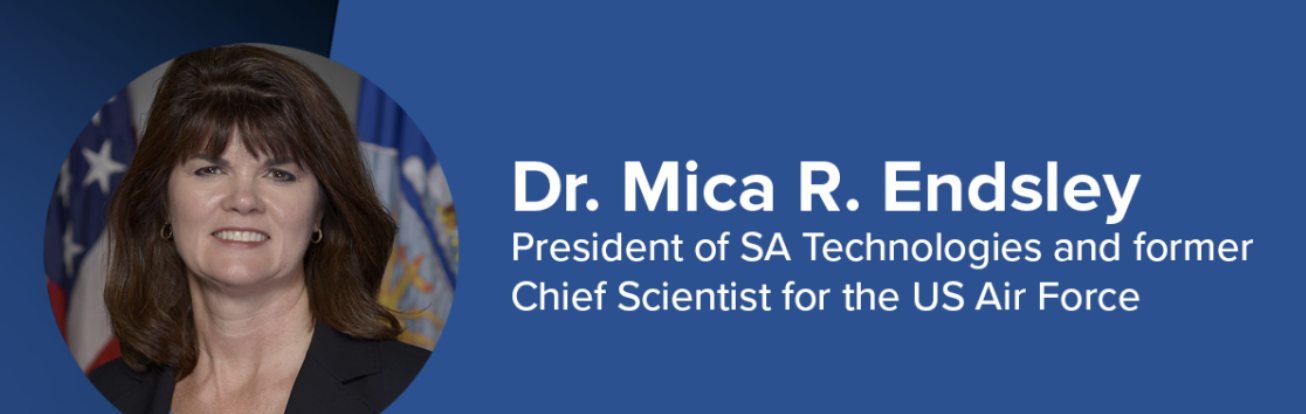
The scientist and theorist behind the theory of situation awareness, Mica Endsley recently shared new research on the links between situation awareness and workload.
Situation awareness and workload have both received considerable attention over the past several decades. This study investigated the relationship between these two constructs, finding that SA decreases as workload increases. This is not always the case however…
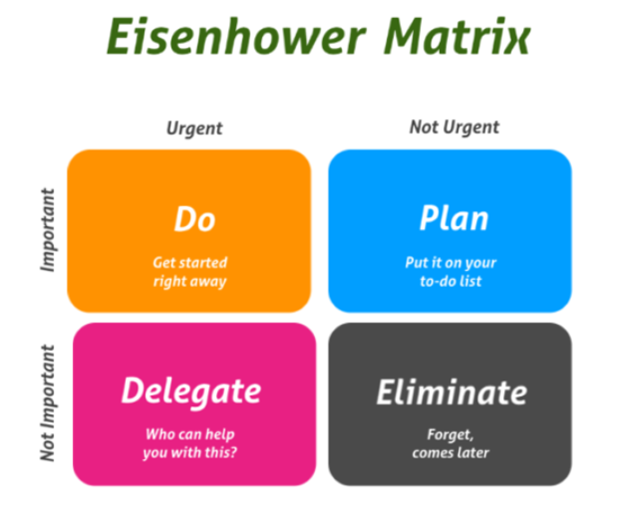
The Eisenhower Matrix (setting priorities)
This accident is an example of how poor workload management affects situation awareness.