
This article examines the role of checklists in helicopter operations and why helicopter flying presents unique challenges for checklist use. It argues that effective checklist use depends on context, training, and CRM behaviours such as communication and cross-monitoring.
The article by Alex Pollitt explores the sterile cockpit rule. Originally a fixed-wing regulation that prohibits non-essential activity and conversation during critical phases of flight, the author examines how it applies in helicopter operations, where flight profiles and workloads are much more variable.
This article by Alex Pollitt challenges the common assumption that faster responses always indicate greater skill or competence. It argues that slowness can reduce errors, enhance situational awareness, and improve decision making under stress.
Shorrock’s law of limits states that, “When you put a limit on a measure, if that measure relates to efficiency, the limit will be used as a target.” It was first articulated by Steven Shorrock with reference to the dynamics of Flight Time Limitations (FTL) in aviation. How many other procedural and regulatory limits within your flying activity can you think of where this law could be said to apply?
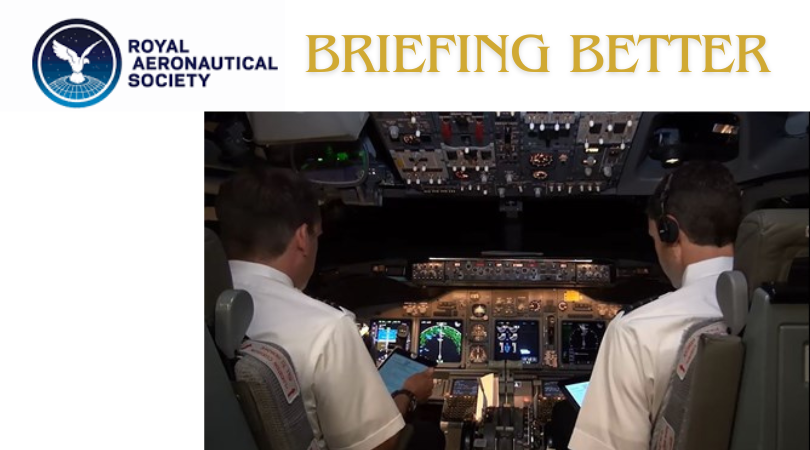
Are lengthy, outdated flight deck briefings really contributing to aviation safety? This article by Captains Rich Loudon and David Moriarty from the Royal Aeronautical society Human Factors Group argues that we need to rethink the way we brief operationally and looks at the specifics of what makes a good cockpit brief and why.
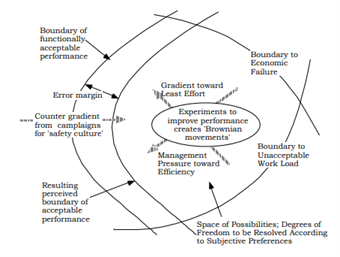
A great description of how accidents happen based on Rasmussen’s safety model
A video on Skybrary by capt Ed Pooley. Includes case studies and tips for improvement of procedural adherance.
Capt. Jo Gillespie explores the reasons for procedural non-compliance
Erik Hollnagel himself explains the ETTO principle, Efficiency Thoroughness Trade-off
This Briefing Note from the Flight Safety Foundation discusses the causes and consequences of interruptions and distractions and describes techniques for reducing and dealing with them. The focus in this material is on practical actions for both individual flight crew members and their companies.