A very normal accident

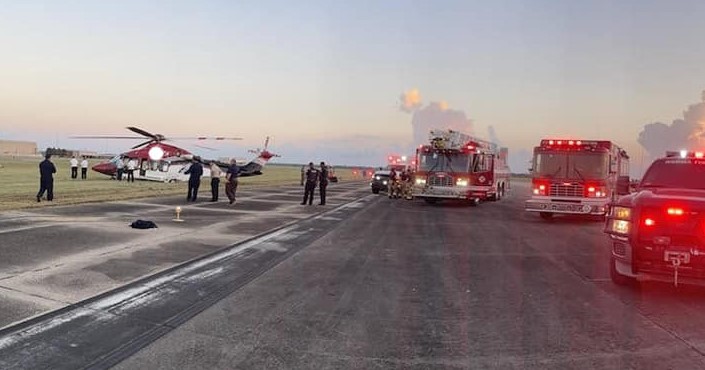
This article by Alex Pollitt recounts a serious inflight emergency after multiple, interacting failures, including smoke in the cockpit, loss of control inputs, engine overspeed and confusing indications. The author looks at how the flight crew were forced to handle ‘interactive complexity’ to recover the situation.

Does complacency really cause errors?

In this article, Alex Pollitt argues that labelling complacency as a cause of errors in aviation (and human performance generally) is overly simplistic and unhelpful. Instead, the article suggests complacency is a symptom, not a root cause, emerging from a complex mix of organisational, task, cultural, and environmental factors rather than a standalone mental state.

The Evolution of Crew Resource Management Training in Commercial Aviation

This overview by Helmreich et al. details the history and development of CRM describing the five “generations” of CRM’s evolution.
The paper is from 1996 and describes the evolution of the first four generations of CRM training development and then goes on to propose what would later become established as the fifth generation of CRM – the development of threat and error management (TEM).

Threat and Error Management (TEM) for Helicopter Operations

Here’s one for the helicopter community. An introduction to the principles of threat and error management with a particular focus on how it affects rotary wing operations.

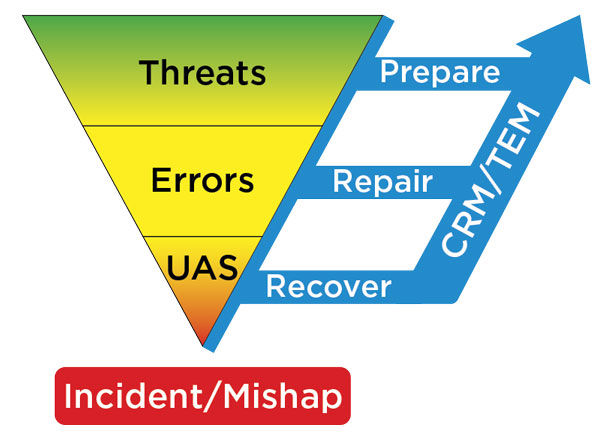
In helicopter operations, the TEM model is particularly valuable due to the unique challenges and operational complexities involved. Helicopter pilots often face varied and dynamic environments, such as adverse weather conditions, confined landing zones, and low-altitude operations. The TEM model helps pilots anticipate, detect and manage threats, errors and Undesired Aircraft States (UAS, and keep margins of safety.


Skip to toolbar