This review study examines how Crew Resource Management (CRM) has evolved since its introduction in the late 1970s and asks what the next generation of CRM training should look like. By questioning whether current CRM models are keeping pace with technological and operational change, the article contributes to an ongoing discussion about how pilots should be trained to manage uncertainty, complexity, and human-machine interaction in the next era of aviation.
This article by Mark Farrer-Brown looks at psychological safety as the foundation of high-performing teams, enabling people to speak up, share ideas, and learn without fear of embarrassment or punishment. It highlights that strong organisational culture is built on this foundation, and that psychological safety supports innovation, inclusion, and continuous learning.
This excellent article from safety and risk management specialist Jamie Mallinder on LinkedIn examines the difference between objective risk and risk perception, why there is often a gap between the two, and what the implications are on safety.
The leadership philosophy developed by David L. Marquet centres on replacing the traditional leader–follower model with a leader–leader model, in which authority and responsibility are distributed throughout the organisation.
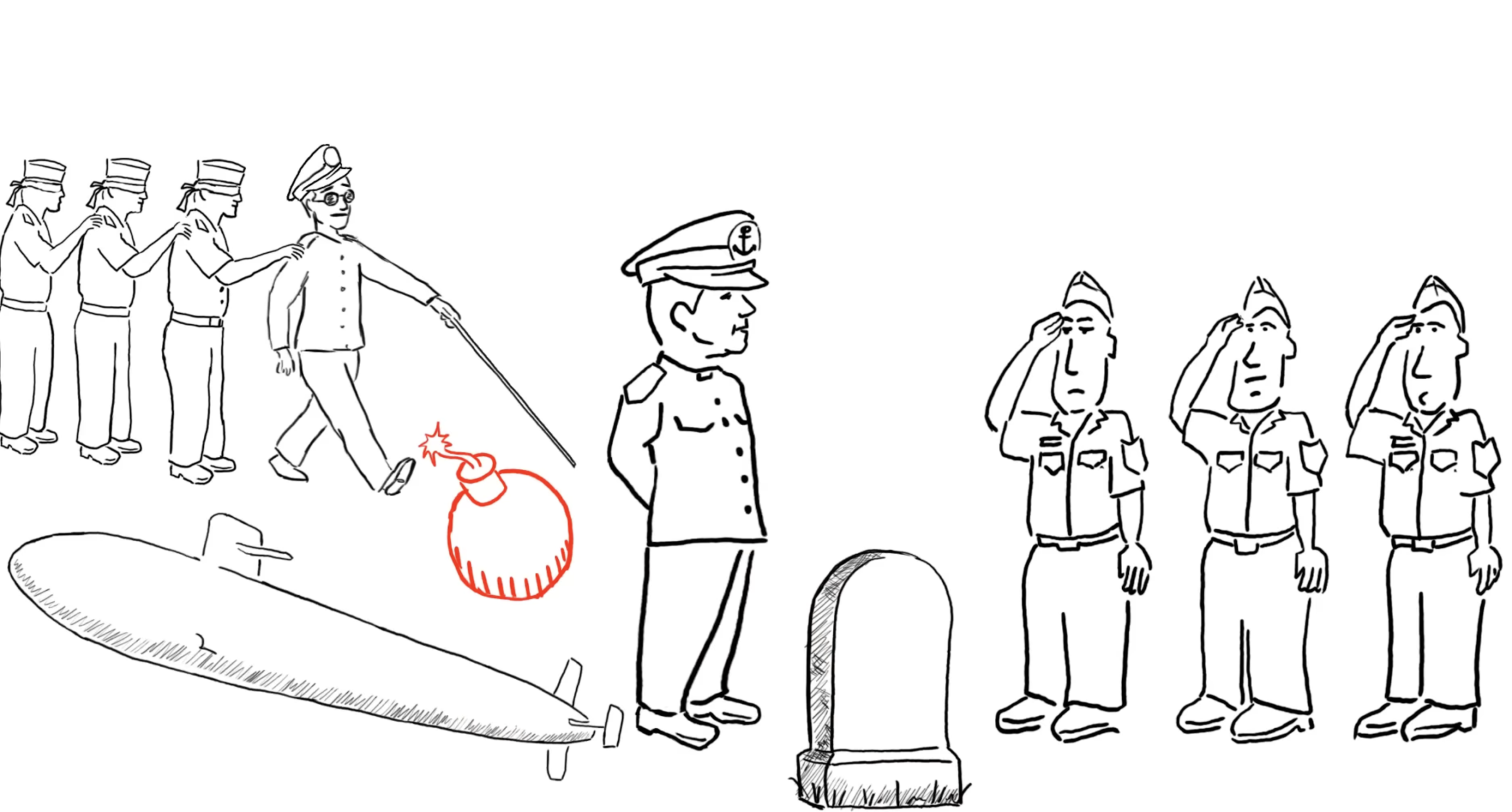
Most decisions feel shared while they are being discussed. Their consequences rarely do. In this post by ex-Belgian Air Force pilot Jo Balcaen the weight of command, responsibility, and accountability is considered in the light of – and despite – shared decision-making.
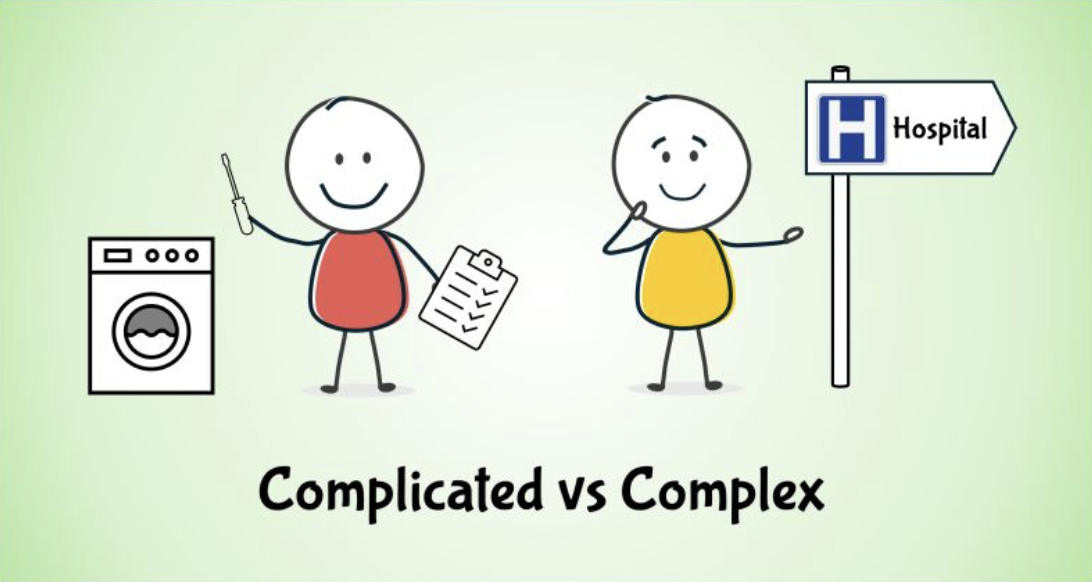
Just because something is complicated doesn’t mean it’s complex. This is an important distinction in human factors. This one minute insight was posted by the Chartered Institute of Ergonomics and Human Factors.
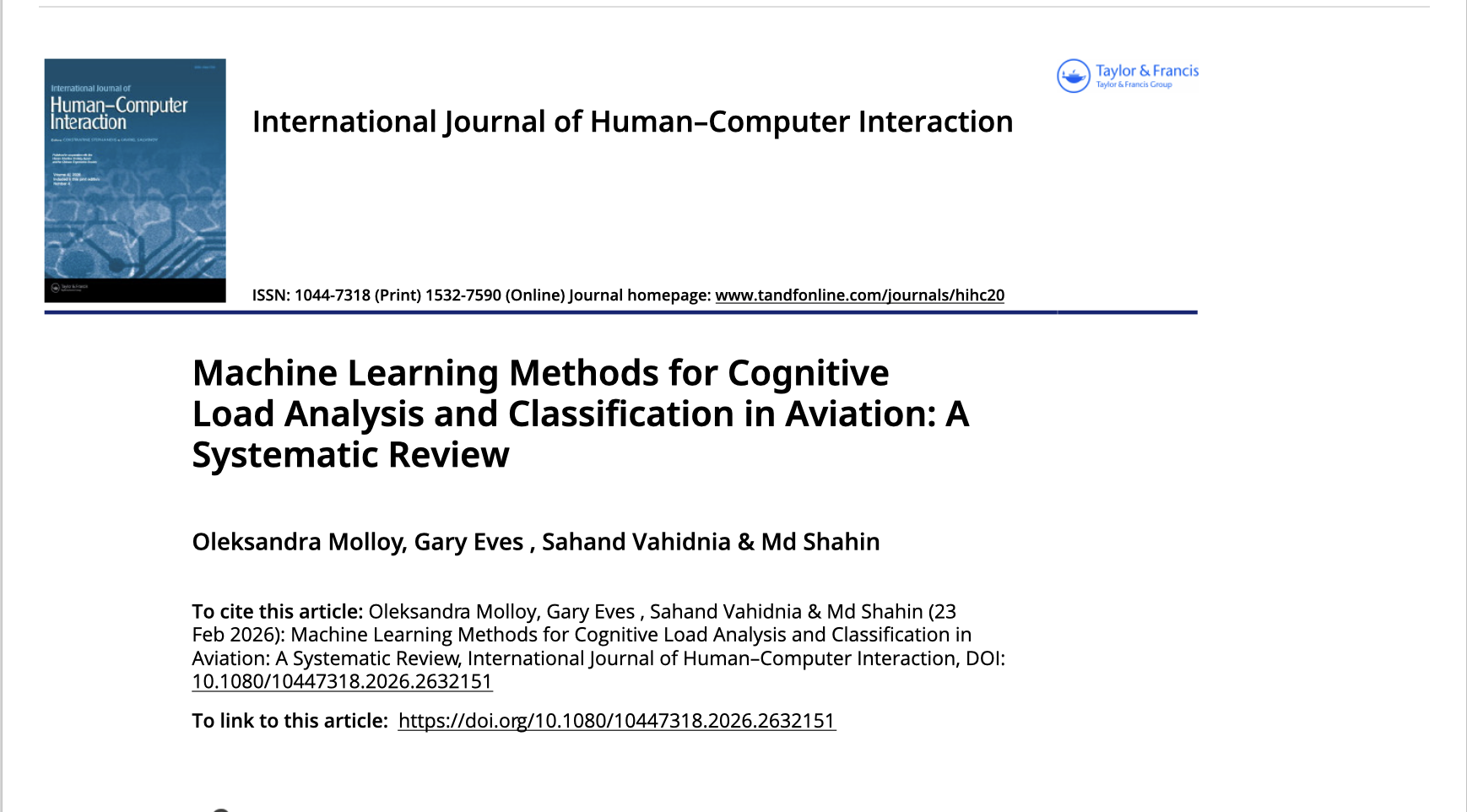
This 2026 systematic review by Molloy et al. highlights the growing role of machine-learning approaches in objectively assessing cognitive workload in aviation through physiological and behavioural data such as EEG, heart rate variability, and eye-tracking. For CRM and human-factors practitioners, the paper is significant because it demonstrates how advances in data analytics may allow workload to be monitored more accurately and potentially in real time, providing deeper insight into how workload influences situational awareness, decision-making, and crew coordination in complex operational environments
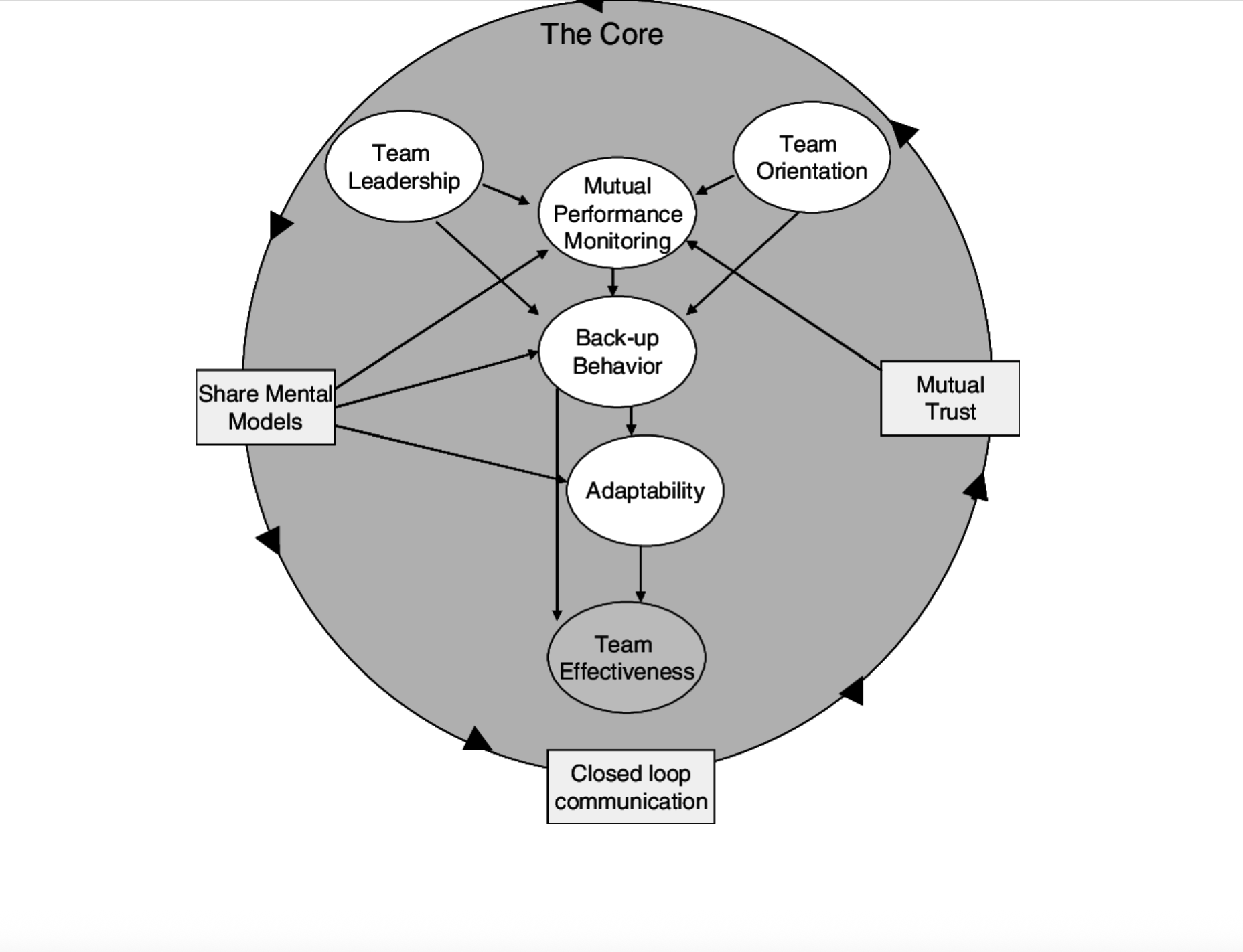
The seminal paper by Eduardo Salas and colleagues introduced the Big Five Model of Teamwork (B5T) as an integrative framework for understanding the behavioural processes that underpin effective team performance in complex environments. The authors reviewed a large body of teamwork literature and synthesised more than a hundred previously proposed teamwork frameworks into five core teamwork behaviours: team leadership; mutual performance monitoring; backup behaviour; adaptability; team orientation
Mario Pierobon draws lessons from a fatal Hawker 800 crash to highlight why thorough briefings and crew coordination should be a central part of any flight operations’ CRM Training.
In this 2026 study, Bills, Costello, and Cattani present a rare inside look at how 12 leading government Safety Investigation Authorities (SIAs) actually analyse major aviation accidents.
The study maps the investigation models and analytical frameworks used in practice by investigators and compares them with both ICAO guidance and contemporary academic debate.