A very normal accident

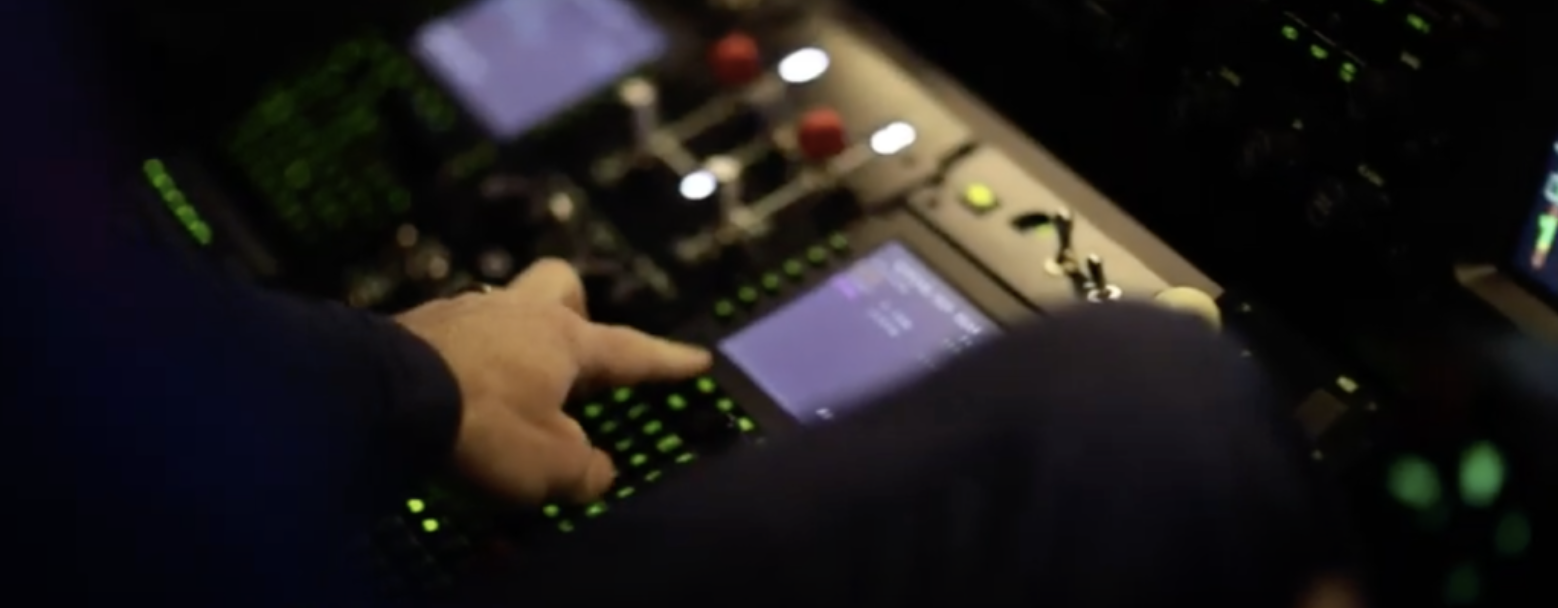
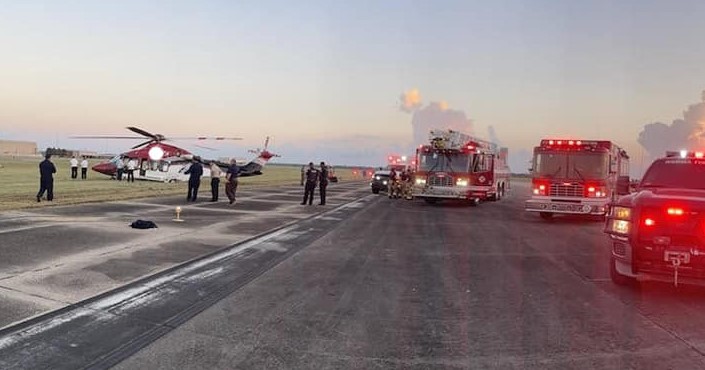
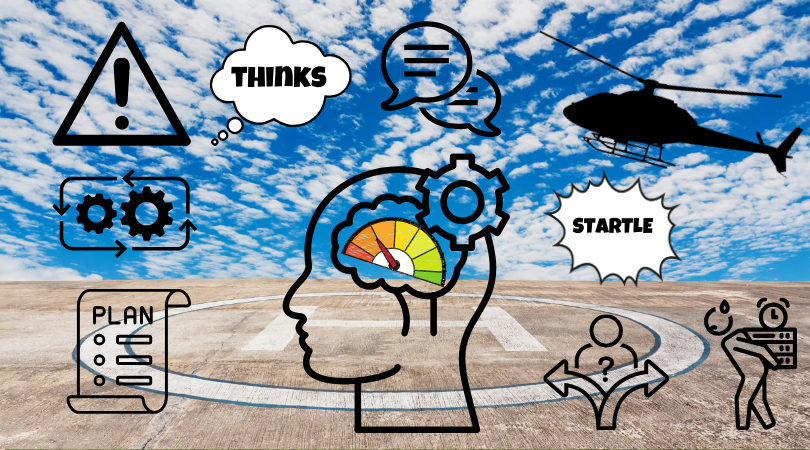
This article by Alex Pollitt recounts a serious inflight emergency after multiple, interacting failures, including smoke in the cockpit, loss of control inputs, engine overspeed and confusing indications. The author looks at how the flight crew were forced to handle ‘interactive complexity’ to recover the situation.

Does complacency really cause errors?

In this article, Alex Pollitt argues that labelling complacency as a cause of errors in aviation (and human performance generally) is overly simplistic and unhelpful. Instead, the article suggests complacency is a symptom, not a root cause, emerging from a complex mix of organisational, task, cultural, and environmental factors rather than a standalone mental state.

Distributed Situation Awareness

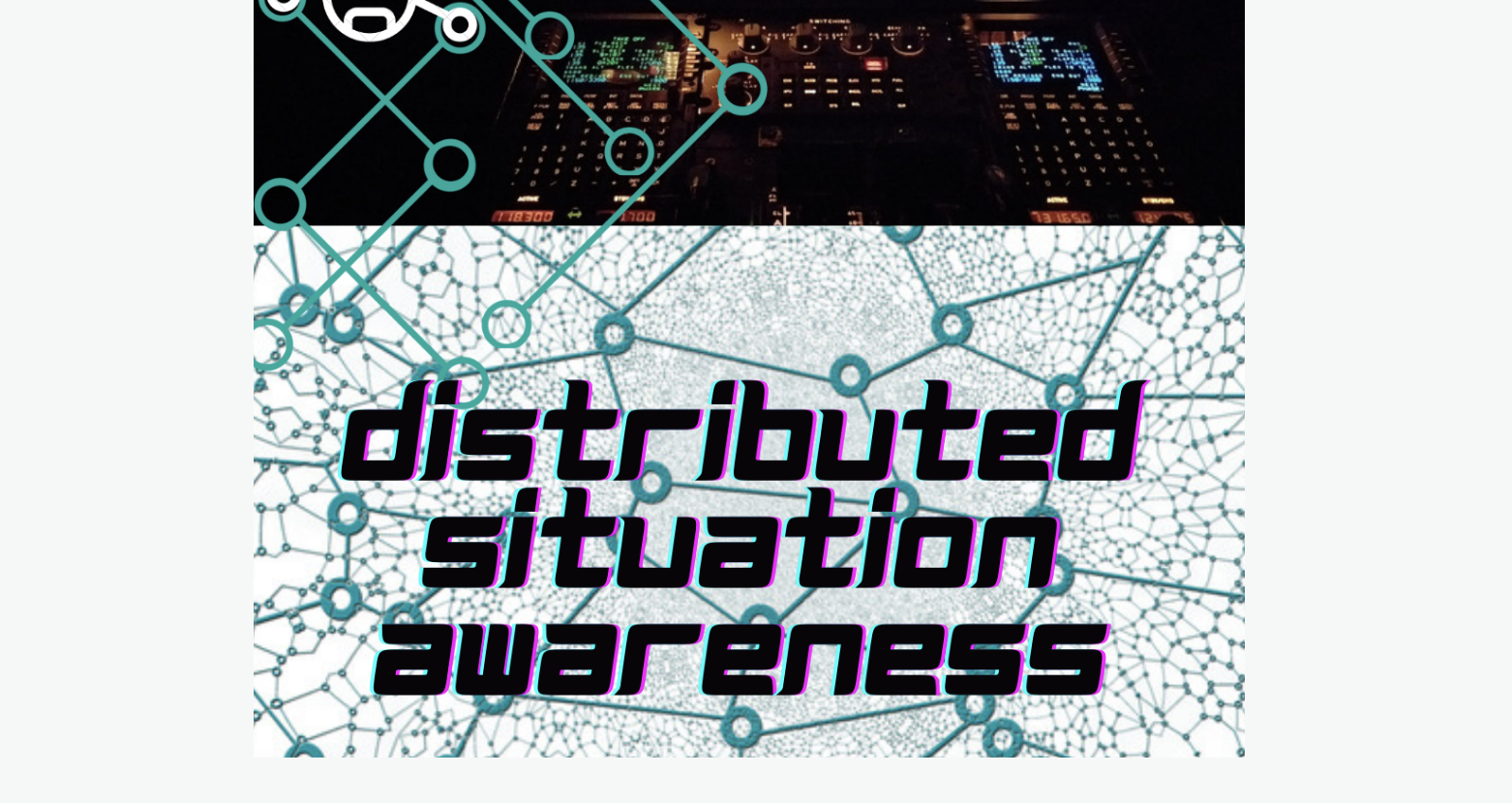
Distributed situation awareness: what is it? This article explains how the traditional understanding of situation awareness, originally defined as a cognitive process inside an individual’s mind, has evolved into a distributed concept that includes both human and non-human elements within a socio-technical system.

How do you know when cognitive workload is affecting your performance?

In this article from competent aviators.com Alex Pollitt examines the limits of cognitive performance and how we can mitigate cognitive overload.

Any conscious mental processing we do that focuses our attention results in cognitive workload. Workload management is about maintaining a balance between level of demand and the mental effort required to meet that demand based on our available resources. Demand can go up, but resource can also go down. When demand outstrips resource the outcome is a decline in performance.

CRM Training for Experienced Crews

We discuss how CRM training for experienced crews must move beyond reinforcing familiar concepts and instead focus on recalibrating judgement and behaviour in realistic operational contexts. Grounded in adult learning principles, effective training leverages experience, reflection, and authentic challenge to influence how non-technical skills are applied in line operations.

Skip to toolbar