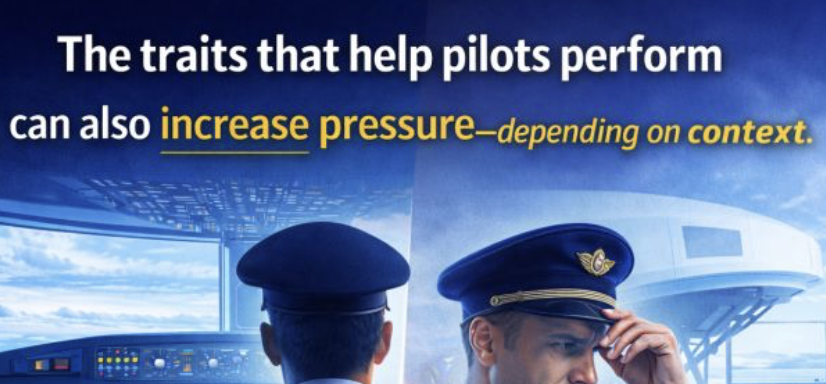
Lori Thomas raises the question of the impact of pilot personality traits on individual stress recognition and self regulation. An area of current research interest in aviation human factors is the inclusion individual cognitive management techniques and mental preparation into pilot training. One example of where aviation training can look for best practice in this area is elite sports, where athletes work closely with sports psychologists to develop psychological self-regulation, stress management and performance under pressure.
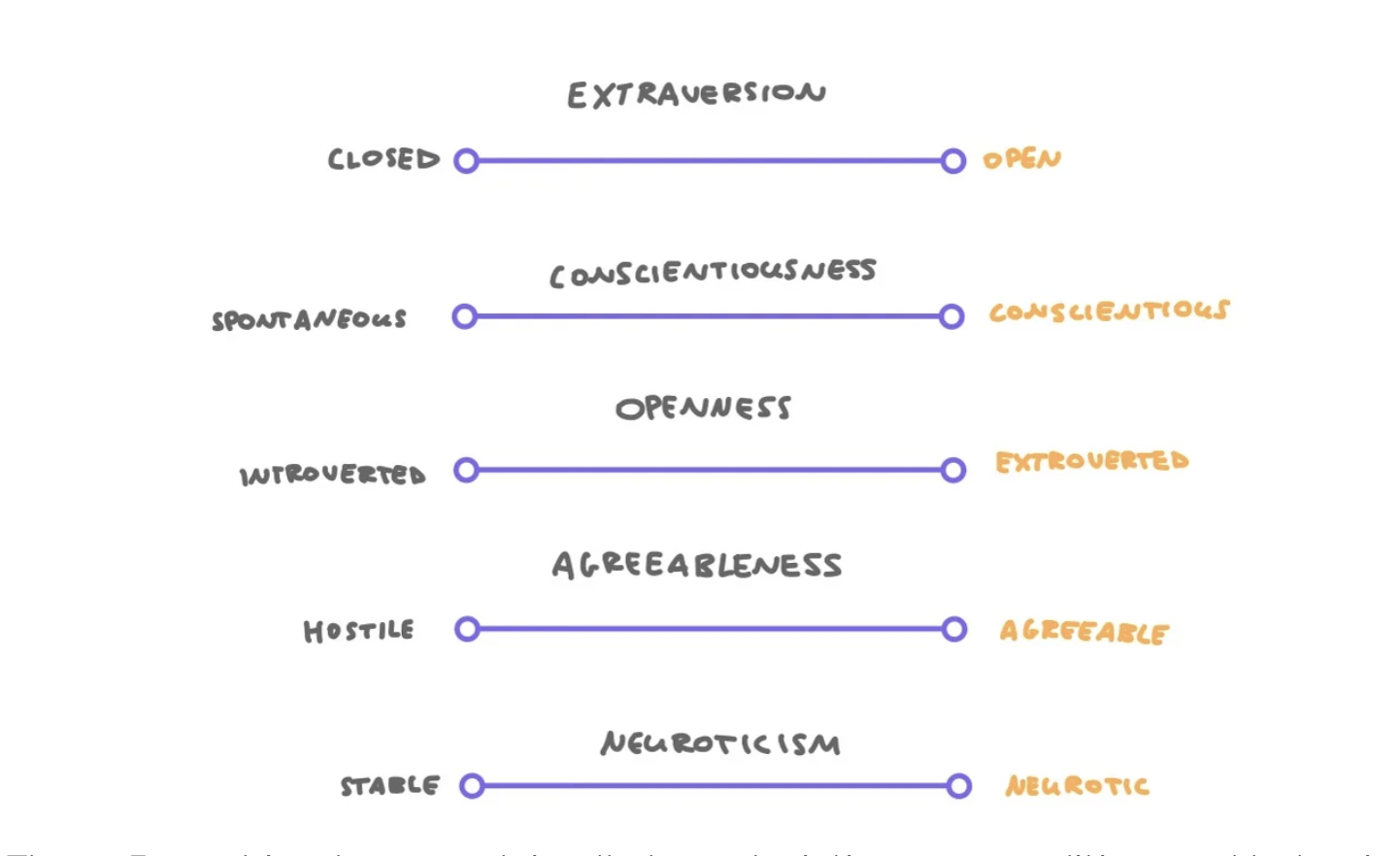
SOURCE: Pilots who ask why This article from Pilotwhoaskwhy.com introduces background to the Big Five personality traits The Big 5 Personality Traits derived from psychology research and links them to pilot competencies: Extraversion; Neuroticism ; Openness to experience; Agreeableness; Conscientiousness. CLICK HERE TO ACCESS THE FULL ARTICLE
This paper proposes an emotions-based training approach for aviation crews that complements traditional Evidence-Based Training (EBT) and CRM by integrating mental preparation, self-awareness, and stress/emotion management techniques adapted from sports psychology.
William R. Hoffman, MD is a neurologist and aircrew brain health researcher with an interest in aeromedical screening and healthcare behavior. He is an affiliated assistance professor of aviation at the University of North Dakota John D. Odegard School of Aerospace Science. He is an internationally invited speaker on pilot health behavior and leads the Aerospace Medical Association Mental Health Research Subgroup. In this video, he talks about pilot mental health (source: lovefly podcast):
The Five-Factor Model (FFM), or Big 5 personality traits, is the most widely accepted framework for understanding human personality.
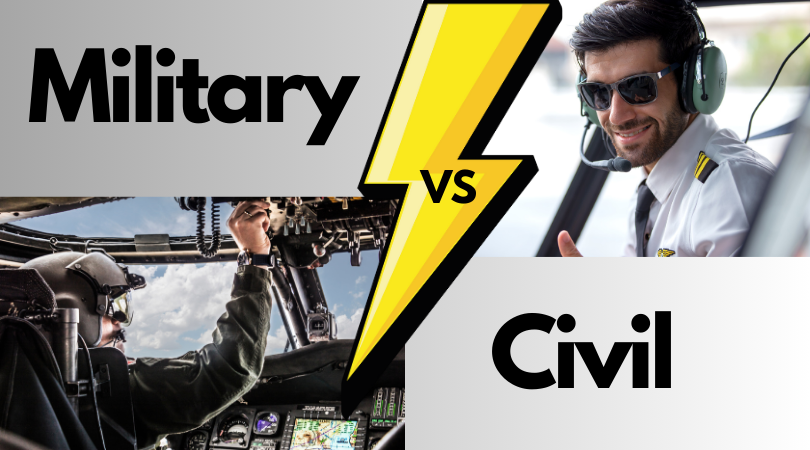
Until recently, there has been a lack of up-to-date empirical research exploring the impact of professional culture in aircrew. Now a recent study of helicopter pilots from the University of Aberdeen with the title “Does training background affect safety in helicopter pilots?” (Kaminska et al., 20231), suggests that we need to pay more attention to how the military-civil divide impacts CRM behaviours amongst mixed crews. What do the cultural differences embedded in the different ways these pilots have been trained mean to competency, operational effectiveness, and – ultimately – safety?
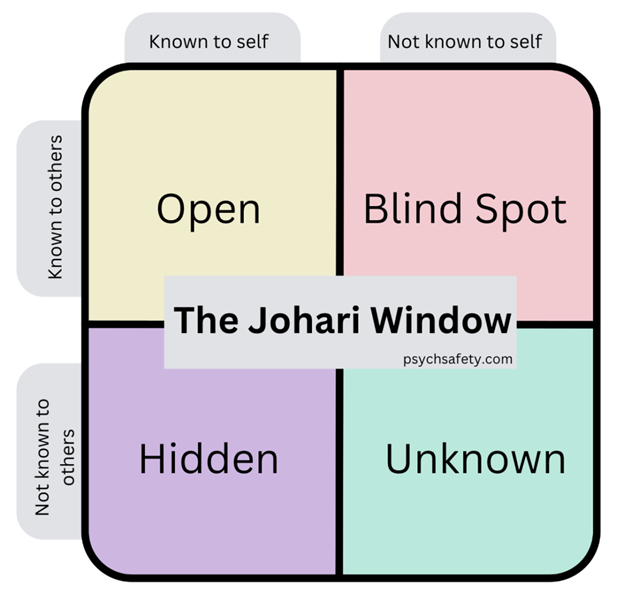
The Johari window: a tool to understand yourself, used to demonstrate how feedback can help to reduce your “blind spots” about the way you are perceived by others.
An episode of Bruce Webb’s (Airbus) Push to Talk podcast series aviation psychologist Eleonora Avi joins him to discuss how and why she got into the field. Source: Push to Talk with Bruce Webb Eleonora is an aviation psychologist based in Italy. The same year she earned her degree in psychology, her mother was rescued […]
This AOPA Air Safety video examines the circumstances of an accident during landing at Truckee Tahoe Airport in the US. The case study looks at crew dynamics during the flight and improper energy management during the circling approach to the airport.