
This article by Mark Farrer-Brown looks at psychological safety as the foundation of high-performing teams, enabling people to speak up, share ideas, and learn without fear of embarrassment or punishment. It highlights that strong organisational culture is built on this foundation, and that psychological safety supports innovation, inclusion, and continuous learning.
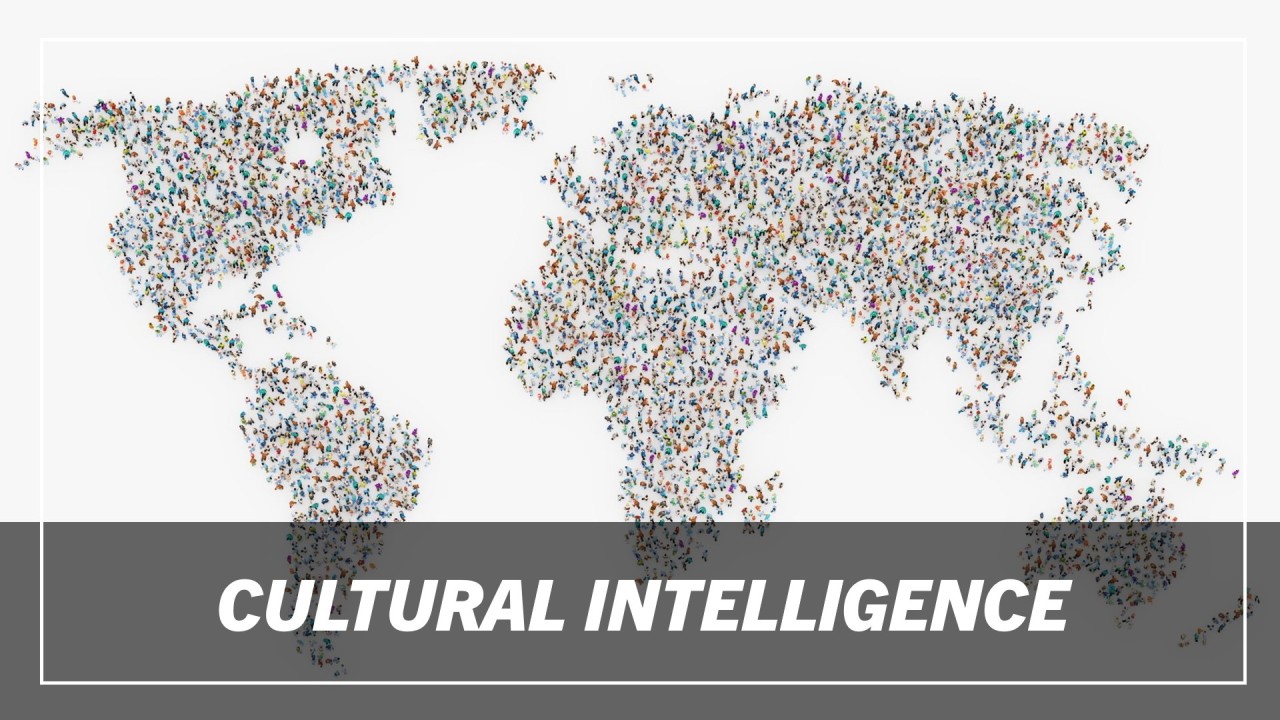
This article, originally posted on LinkedIn by Hessel Van Der Maten, from the Dutch Aviation Safety Board describes the value in cultural curiosity, asking yourself questions about your own cultural biases, and the influence of (often unconscious) cultural pressures on different stakeholders. Van Der Maten discusses Cultural Intelligence from the perspective of safety investigation, but the points he makes can be applied universally. Let’s not forget that aviation is an almost uniquely multi-national and multi-cultural environment so these considerations are more relevant to the industry than almost anywhere else.
What shapes the soul of an organization? In his groundbreaking book, Organizational Culture and Leadership, Edgar H. Schein delves into this question, uncovering how culture and leadership are intricately intertwined. Schein asserts that leaders don’t just operate within organizational culture—they actively create, shape, and evolve it. This post unpacks the key insights from this seminal work, explores Schein’s frameworks, and examines their relevance in shaping modern workplaces.
This FAA document, Safety Culture Assessment and Continuous Improvement in Aviation, reviews the importance of fostering a positive safety culture within aviation organizations.
A classic in cultural difference literature is the work by Geert Hofstede: his 6 cultural dimensions( Power Distance, Uncertainty Avoidance, Individualism/Collectivism, Masculinity/Femininity, Long/Short Term Orientation, and Indulgence/Restraint)
The Aerospace Safety Timeline tool is an impactful way of visualising data and describes the history of innovation and development in aerospace.
It features significant aerospace events, accidents, investigations, innovations, and regulatory decisions that have shaped aerospace history, allowing you to view images, videos, and other details of significant events during your aerospace safety exploration.
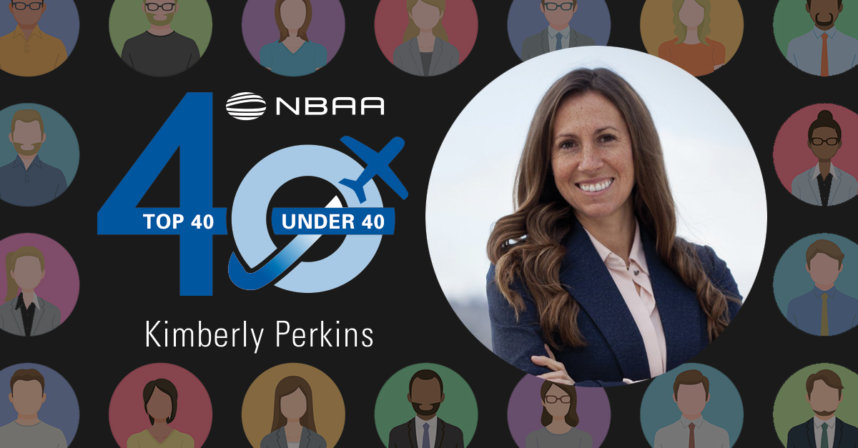
Psychological safety and interpersonal skills by Kimberly Perkins, focussed on pilots.
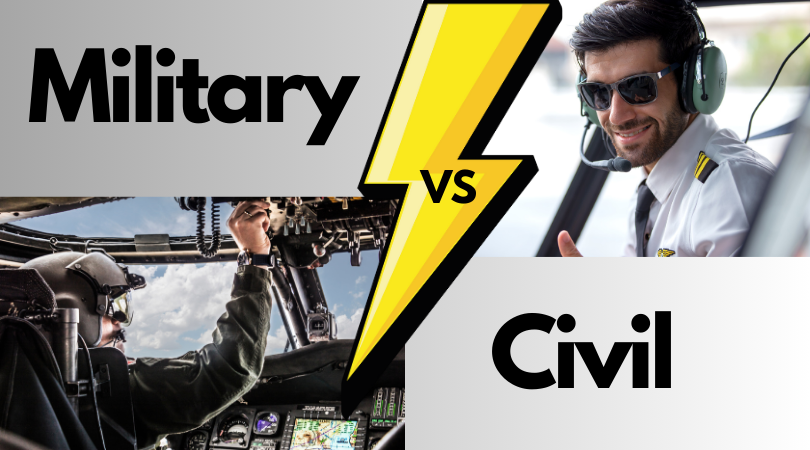
Until recently, there has been a lack of up-to-date empirical research exploring the impact of professional culture in aircrew. Now a recent study of helicopter pilots from the University of Aberdeen with the title “Does training background affect safety in helicopter pilots?” (Kaminska et al., 20231), suggests that we need to pay more attention to how the military-civil divide impacts CRM behaviours amongst mixed crews. What do the cultural differences embedded in the different ways these pilots have been trained mean to competency, operational effectiveness, and – ultimately – safety?
Professor Sidney Dekker explains what safety differently (or the new view of safety) is. Three organisations are followed, one in resources, one in healthcare and one in retail.
In this series of 3 podcasts, David Provan and Drew Rae explain the full story behind safety I and II.