
 Written by
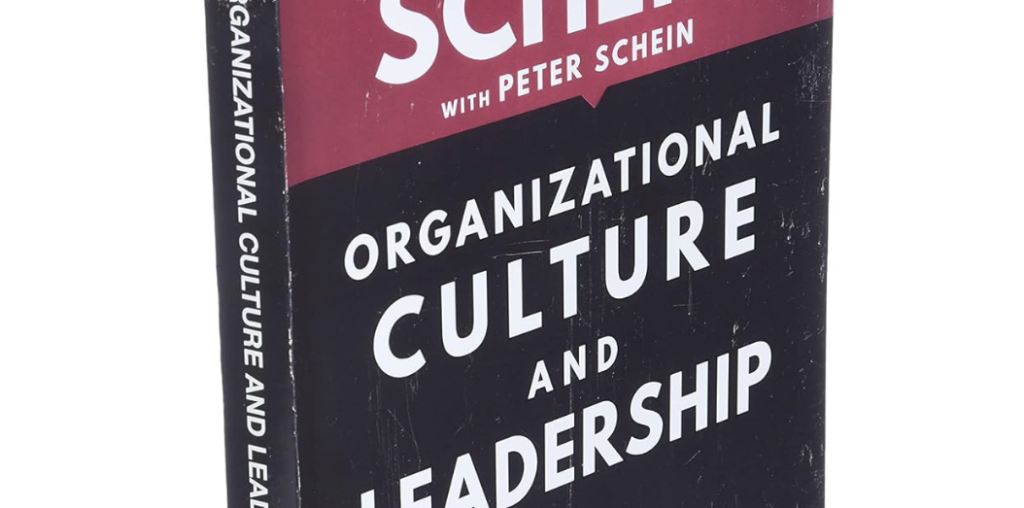
 What shapes the soul of an organization? In his groundbreaking book, Organizational Culture and Leadership, Edgar H. Schein delves into this question, uncovering how culture and leadership are intricately intertwined. Schein asserts that leaders don’t just operate within organizational culture—they actively create, shape, and evolve it. This dynamic interplay is central to understanding how successful organizations thrive in today’s complex environments.
Let’s unpack the key insights from this seminal work, explore Schein’s frameworks, and examine their relevance in shaping modern workplaces.
The Foundations of Organizational Culture
Schein defines culture as a system of shared assumptions that a group develops while solving problems of external adaptation and internal integration. Over time, these assumptions become so ingrained that they’re passed on to newcomers as the “correct” way to think, feel, and act.
To break it down, Schein identifies three levels of culture:
- Artifacts: The visible, tangible elements—like office layout, dress codes, and company rituals—that reflect culture.
- Espoused Beliefs and Values: These are the stated principles, goals, and philosophies, such as mission statements or ethical guidelines.
- Basic Underlying Assumptions: The deeply ingrained, unconscious beliefs that truly drive behavior.
This layered approach gives leaders a structured way to analyze and influence culture.
Leadership: The Catalyst of Culture
Schein positions leaders as architects of organizational culture, especially in the formative stages of an organization. As the organization matures, however, culture begins to shape the boundaries within which leaders operate. This dynamic highlights a critical interdependence: leaders mold culture, but culture, in turn, defines the leadership possibilities.
Key leadership roles in cultural development include:
- Modeling Behavior: Leaders demonstrate desired values through their actions.
- Reinforcing Values: By rewarding aligned behaviors and addressing misaligned ones, leaders embed cultural norms.
- Storytelling and Rituals: Leaders can use narratives and traditions to perpetuate organizational values.
Cultural Dimensions and Change
Schein explores how organizational culture influences two critical dimensions:
- External Adaptation: How an organization relates to its environment.
- Internal Integration: How team members relate and work together.
The challenge arises when these cultural assumptions become misaligned with evolving environments. Here, leaders play a pivotal role in managing culture change. Schein’s Managed Culture Change Model involves:
- Unfreezing: Identifying why current assumptions no longer serve the organization.
- Changing: Introducing and fostering new behaviors and practices.
- Refreezing: Stabilizing these changes to establish a new cultural norm.
The Complexity of Modern Organizations
In today’s global and diverse workplaces, culture isn’t a monolith. Schein acknowledges the rise of microcultures within organizations—team, occupational, and national subcultures that coexist within larger organizational frameworks. Leaders must navigate these complexities, fostering collaboration while respecting differences.
Schein’s solution? Cultural islands: environments where diverse groups can work effectively together without compromising their unique cultural identities.
Practical Tools for Leaders
Schein equips leaders with actionable strategies to understand and influence culture:
- Cultural Diagnosis: Use interviews, observations, and focus groups to uncover shared values and behaviors.
- Three-Level Analysis: Examine artifacts, espoused values, and underlying assumptions to identify cultural gaps.
- Embedding Mechanisms: Align systems, rewards, and onboarding processes with desired cultural outcomes.
Strengths of Schein’s Framework
- Comprehensive Structure: The three-level model of culture offers a clear framework for diagnosing and managing cultural dynamics.
- Leadership-Culture Nexus: By emphasizing the role of leaders, Schein highlights actionable ways to influence culture.
- Focus on Diversity: His acknowledgment of microcultures and multicultural collaboration is increasingly relevant in globalized workplaces.
- Practical Application: Schein’s tools—like cultural deciphering and embedding mechanisms—bridge theory and practice effectively.
Criticisms and Limitations
While Schein’s work is celebrated, it’s not without critique:
- Top-Down Focus: Schein emphasizes leaders as central to cultural change, underestimating the influence of grassroots initiatives or external forces.
- Conceptual Density: His theoretical depth can feel overwhelming for practitioners seeking straightforward solutions.
- Adaptability: The framework may struggle to address the fluidity of modern, fast-changing industries like tech.
- Limited Focus on Power Dynamics: Schein doesn’t fully explore how politics and power shape organizational culture.
Why Schein’s Work Matters Today
Despite its limitations, Organizational Culture and Leadership remains a cornerstone in understanding how culture drives organizational success. Whether you’re a CEO steering a multinational corporation or a manager leading a small team, Schein’s insights provide invaluable tools for diagnosing, shaping, and transforming culture.
As organizations continue to navigate challenges like globalization, digital transformation, and hybrid work, Schein’s emphasis on learning cultures and adaptive leadership is more relevant than ever.
Are you ready to take the lead in shaping your organization’s culture? Dive into Schein’s framework and discover the transformative power of intentional leadership.