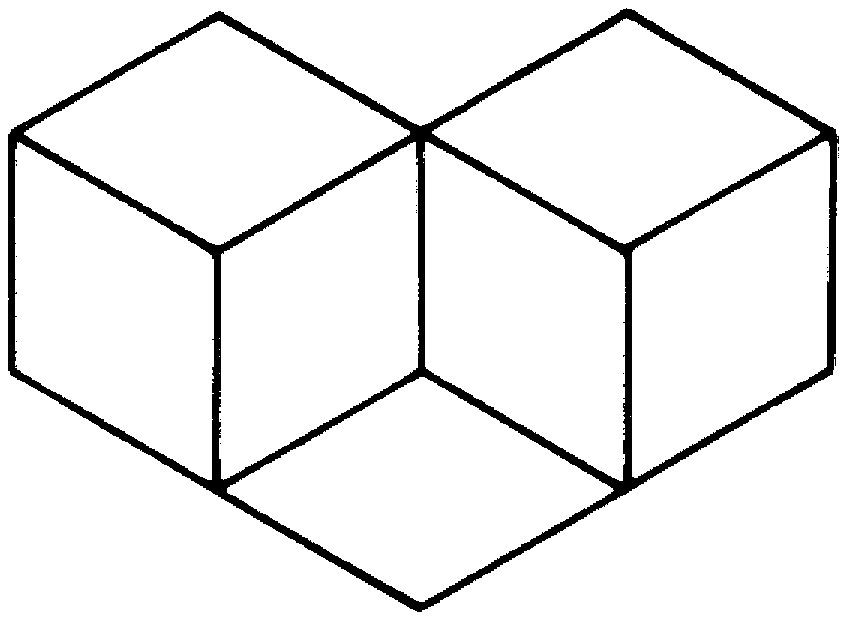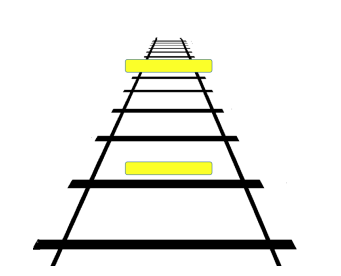
A classic image challenging our perceptive processes from this piece on LinkedIn by Professor Eduardo Blanco-Muñoz where he goes on to discuss the importance of salience in our perceptive processes.
 Written by K-HUB

Human Information Processing
A classic image challenging our perceptive processes from this piece on LinkedIn by Professor Eduardo Blanco-Muñoz where he goes on to discuss the importance of salience in our perceptive processes.
Written by K-HUB
This video by Laureen Harris explains Christopher Wickens’ MRT theory – using Gordon Ramsay as an example.
 Written by Daan
This BBC Mind Changers podcast explores the pioneering work of Donald Broadbent in the study of work design and the role of attention in safety-critical work. Broadbent was the author of the 1958 book Perception and Communication rated the single most influential book in cognitive psychology. He was the first person to apply the computer-inspired information processing model taught in CRM training today, to the study of attention.
This podcast introduces and explains some of Broadbent’s most important work, and includes a dichotic listening experiment for you to try…
Written by K-HUB
Biases can negatively influence decision making. Skybrary offers a nice overview of a few of the most common biases that affect pilot decision making.
Written by Daan
As pilots, we often have to postpone things until later. There isn’t always a checklist to catch us. How to deal with that? This article that explains what prospective memory is all about.
Written by Daan
A great overview of the topic by the FlightSafety Foundation in their Approach and Landing Accident Reduction (ALAR) series.
Written by Daan
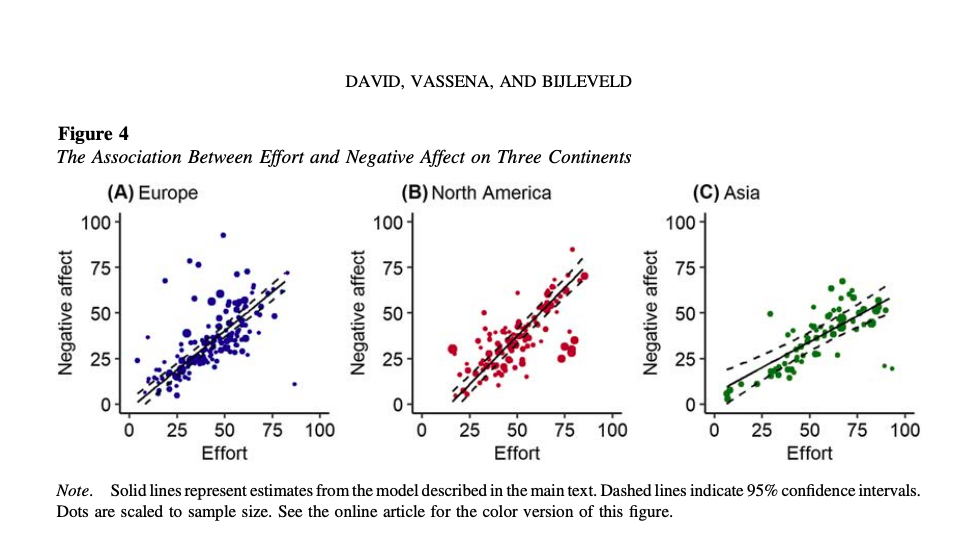
This meta-analysis study notes that although many influential theories in psychology, neuroscience, and economics assume that the exertion of mental effort should feel aversive, this assumption is usually untested, and it is challenged by casual observations and previous studies.
In a review of 170 studies that used the NASA Task Load Index to examine participants’ experiences of effort and negative affect this paper found a strong positive association between mental effort and negative affect.
In aviation this concept might be familiar to us through Daniel Kahneman’s theory of System 1 and System 2 thinking and how we avoid mental effort in the decision-making process. Kahneman argued:
“𝘛𝘩𝘪𝘯𝘬𝘪𝘯𝘨 𝘪𝘴 𝘵𝘰 𝘩𝘶𝘮𝘢𝘯𝘴 𝘢𝘴 𝘴𝘸𝘪𝘮𝘮𝘪𝘯𝘨 𝘪𝘴 𝘵𝘰 𝘤𝘢𝘵𝘴. 𝘛𝘩𝘦𝘺 𝘤𝘢𝘯 𝘥𝘰 𝘪𝘵, 𝘣𝘶𝘵 𝘵𝘩𝘦𝘺’𝘥 𝘱𝘳𝘦𝘧𝘦𝘳 𝘯𝘰𝘵 𝘵𝘰.”
Written by K-HUB
This video from Human Factors for Healthcare YouTube Channel is presented by Professor Graham Towl from the Durham University Department of Psychology and introduces the basics of Cognitive Processing from an HF perspective.
Written by K-HUB
The team at FlyDubai offer us a podcast that explores Human Factors in aviation. For anyone interested in how Human Factors and aviation come together, and what the key areas are that we focus on, season one lays out all the basics. This episode looks at one of the building blocks of CRM – how we process information.
Written by K-HUB
The essence of the perceptual process is that it combines existing knowledge
with incoming stimuli and the current situation, in order to create meaning
from what is being sensed. In other words the brain takes a very quick ‘best
guess’ as to what the stimuli represent based on what it has learned about
previous stimuli in similar conditions.
 Written by Alex P