
 Written by
 Source: Matt Furness on LinkedIn
This meta-analysis study notes that although many influential theories in psychology, neuroscience, and economics assume that the exertion of mental effort should feel aversive, this assumption is usually untested, and it is challenged by casual observations and previous studies.
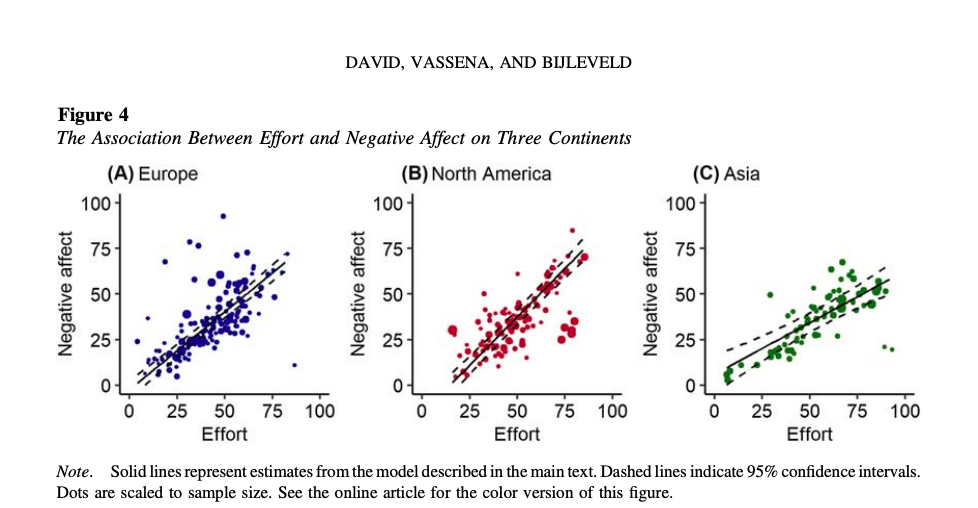
In a review of 170 studies that used the NASA Task Load Index to examine participants’ experiences of effort and negative affect this paper found a strong positive association between mental effort and negative affect.
In aviation this concept might be familiar to us through Daniel Kahneman’s theory of System 1 and System 2 thinking and how we avoid mental effort in the decision-making process. Kahneman argued:
“𝘛𝘩𝘪𝘯𝘬𝘪𝘯𝘨 𝘪𝘴 𝘵𝘰 𝘩𝘶𝘮𝘢𝘯𝘴 𝘢𝘴 𝘴𝘸𝘪𝘮𝘮𝘪𝘯𝘨 𝘪𝘴 𝘵𝘰 𝘤𝘢𝘵𝘴. 𝘛𝘩𝘦𝘺 𝘤𝘢𝘯 𝘥𝘰 𝘪𝘵, 𝘣𝘶𝘵 𝘵𝘩𝘦𝘺’𝘥 𝘱𝘳𝘦𝘧𝘦𝘳 𝘯𝘰𝘵 𝘵𝘰.”
The full study is available at the link below:
David, L., Vassena, E., & Bijleveld, E. (2024). The unpleasantness of thinking: A meta-analytic review of the association between mental effort and negative affect. Psychological Bulletin. Advance online publication.
The results of this study show that the more effort required, the worse people feel about the task. Furthermore, this held true across different:
↳ Tasks
↳ Cultures
↳ Types of people
As Matt Furness notes on LinkedIn the relevance of this study is widespread and goes beyond decision-making. For example, it also has relevance to other areas of human behaviour, such as culture change. As most culture change initiatives are person-focused and include training, comms, events, and leadership development, their success relies on people investing willpower, attention, and effort.
The full study is available at the link below:
David, L., Vassena, E., & Bijleveld, E. (2024). The unpleasantness of thinking: A meta-analytic review of the association between mental effort and negative affect. Psychological Bulletin. Advance online publication.