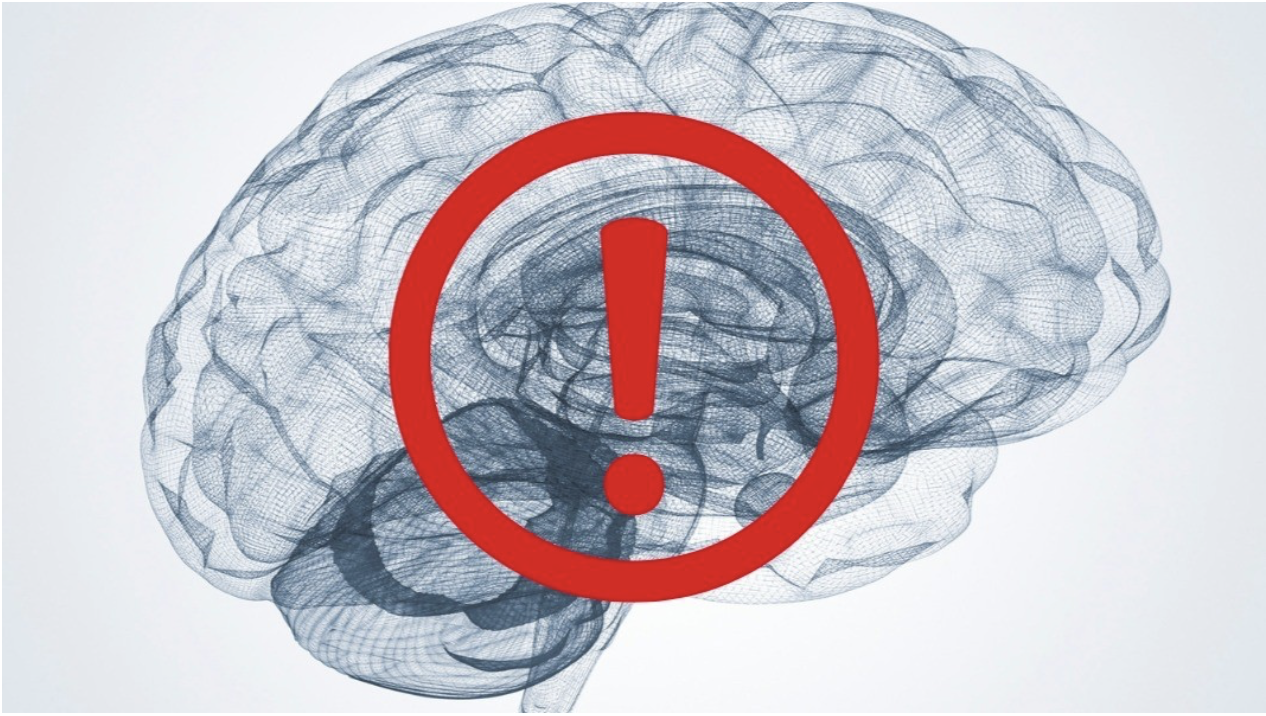
This excellent article from safety and risk management specialist Jamie Mallinder on LinkedIn examines the difference between objective risk and risk perception, why there is often a gap between the two, and what the implications are on safety.
An easily readable source of quality information on the effects of stress and its impact on attention, decision making and teamwork, NASA’s technical memorandum Effects of Acute Stress on Aircrew Performance examines how situational stress influences pilot cognition and skilled performance in demanding flight conditions.
Old, but not outdated, these two documents from 1988 give an example of how trainers can develop scenario based, table-top exercises, to facilitate learning in non-technical skills.
and Procedures for Unexpected events Unexpected events in aviation disrupt crews’ expectations, increase stress and workload, and require rapid sensemaking rather than simple checklist use. This paper argues that safe outcomes depend less on knowing more procedures and more on resilience: the ability to anticipate, monitor, adapt, and recover when things do not go as […]
In this handy overview, Jared Peterson explains the different decision making theories in a handy summary.
Ben Cattaneo from The Decision-making Studio talks to guest Gary Klein on this podcast about his pioneering work in Recognition-primed decision making. What is the role of expertise and intuition in decision-making?
In this interesting article, esteemed psychologist Gigerenzer offers a critique of Kahnemann and Tversky, who often label heuristics and biases as flawed, while overlooking their effectiveness in real world decision making under uncertainty.
Biases can negatively influence decision making. Skybrary offers a nice overview of a few of the most common biases that affect pilot decision making.
In the article below, details of an operational evaluation of a startle management method are shared. The method is similar to that described in the EASA/NLR report.
In this article, originally published in Harvard Business Review, Gary Klein explains his pre-mortem method himself. It’s a useful tool for employing critical thinking to make a risk assessment before taking a decision. It starts with the assumption that things went wrong, and then the team (crew) generates plausible reasons.