This review study examines how Crew Resource Management (CRM) has evolved since its introduction in the late 1970s and asks what the next generation of CRM training should look like. By questioning whether current CRM models are keeping pace with technological and operational change, the article contributes to an ongoing discussion about how pilots should be trained to manage uncertainty, complexity, and human-machine interaction in the next era of aviation.
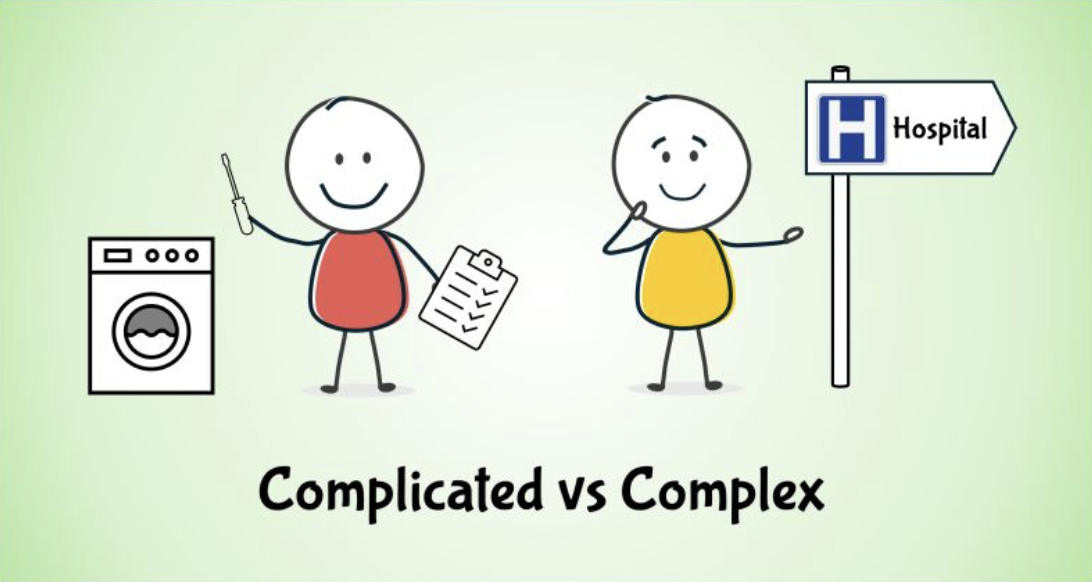
Just because something is complicated doesn’t mean it’s complex. This is an important distinction in human factors. This one minute insight was posted by the Chartered Institute of Ergonomics and Human Factors.
In this interview, Helen Heenan discusses whether current Cabin Crew CRM training truly prepares crew for real operational challenges, touching on topics such as training effectiveness, regulatory gaps, and adapting for a new generation.
We discuss how CRM training for experienced crews must move beyond reinforcing familiar concepts and instead focus on recalibrating judgement and behaviour in realistic operational contexts. Grounded in adult learning principles, effective training leverages experience, reflection, and authentic challenge to influence how non-technical skills are applied in line operations.
CRM K-Hub brings you an overview of this comprehensive, science-based checklist for CRM training design and delivery, intended to guide trainers through the full training life-cycle. Meant as a good primer for CRM trainers who are not familiar with core training principles.
This paper systematically reviewed published evaluations of CRM training effectiveness in order to quantify the impact of CRM on key outcomes such as learner reactions, attitudes, knowledge, and behaviours. It is significant because it provided one of the first quantitative syntheses showing that CRM has positive impacts on key human factors outcomes and validated CRM’s general effectiveness.
Crew Resource Management (2nd Edition) is widely regarded as the definitive reference text on CRM training and practice in aviation. Edited by some of the original pioneers in CRM research, this comprehensive volume synthesises decades of empirical evidence, theoretical insight, and real-world applications to offer both depth and breadth on the subject.
This study explores how CRM training translates into real operational practice from the perspective of cabin crew members in commercial air passenger transport. Findings indicate that CRM training positively influences situational awareness, communication, teamwork, stress and workload management, and proactive safety behaviors, suggesting that core non-technical skills are indeed carried over into the field
This study systematically compared Crew Resource Management (CRM) in commercial aviation with Single-Pilot Resource Management (SRM) in general aviation to assess how each contributes to safety outcomes.
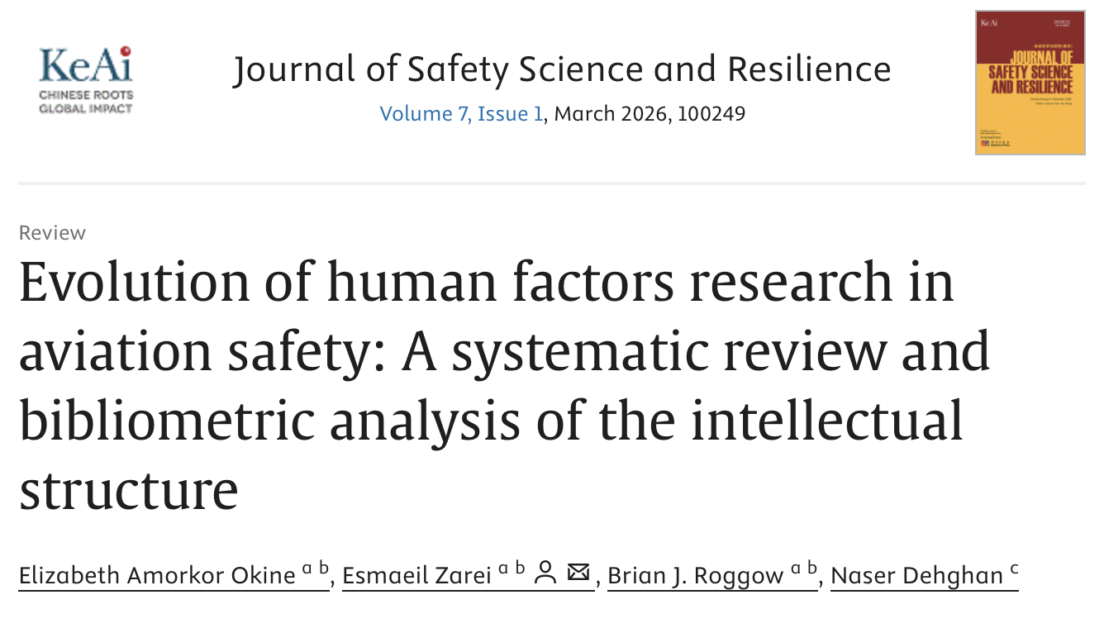
This review paper by Okine, Zarei, Roggow, and Dehghan (2025) provides a high-level map of how human factors (HF) research in aviation safety has evolved and where it is heading. Recent growth reflects increasing attention to organisational factors, safety management, and the interaction between humans, technology, and complex operational environments.