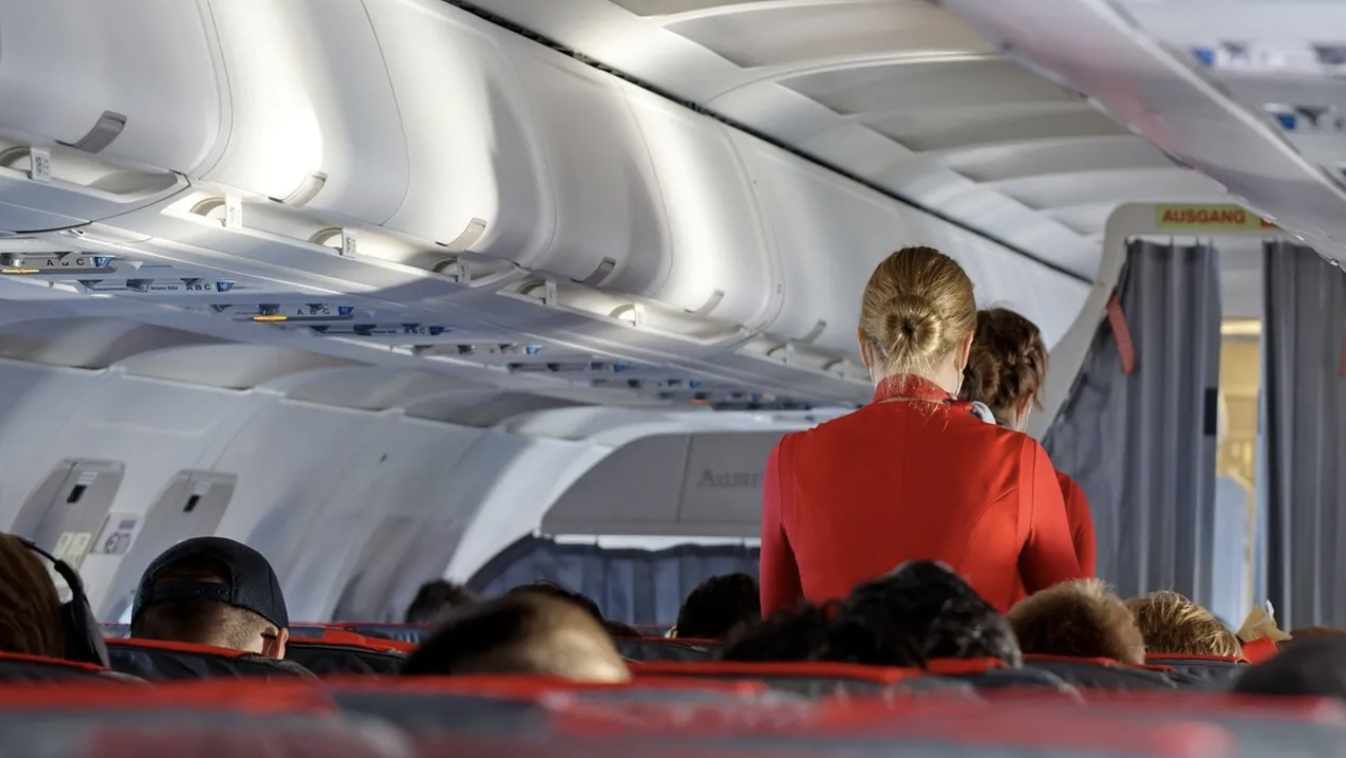
This piece from Halldale.com explains new research from TNO, Delft, and Cranfield Universities examining both prevalence and impact of Startle &Surprise among cabin crew, and finding that perceived control during events strongly predicted both immediate performance and long-term wellbeing outcomes.
SOURCE: Pilots who ask why Pilotswhoaskwhy.com examine the question of pilot mental health, including: TO ACCESS THE FULL ARTICLE – CLICK HERE
This post on LinkedIn from aviation psychologist and helicopter pilot Carine Lage describes a mental health scenario based on a true account shared with her by a fellow pilot. It raises a debate about stress, fatigue, and pilot mental health that could be an interesting discussion point during CRM training sessions.
and Procedures for Unexpected events Unexpected events in aviation disrupt crews’ expectations, increase stress and workload, and require rapid sensemaking rather than simple checklist use. This paper argues that safe outcomes depend less on knowing more procedures and more on resilience: the ability to anticipate, monitor, adapt, and recover when things do not go as […]
This study by Captain Vlaskamp and colleagues from TU Delft in the Netherlands examines how airline pilots experience startle and surprise in real operational contexts and evaluates their use of a structured startle/surprise recovery method known as the “Reset Method.”
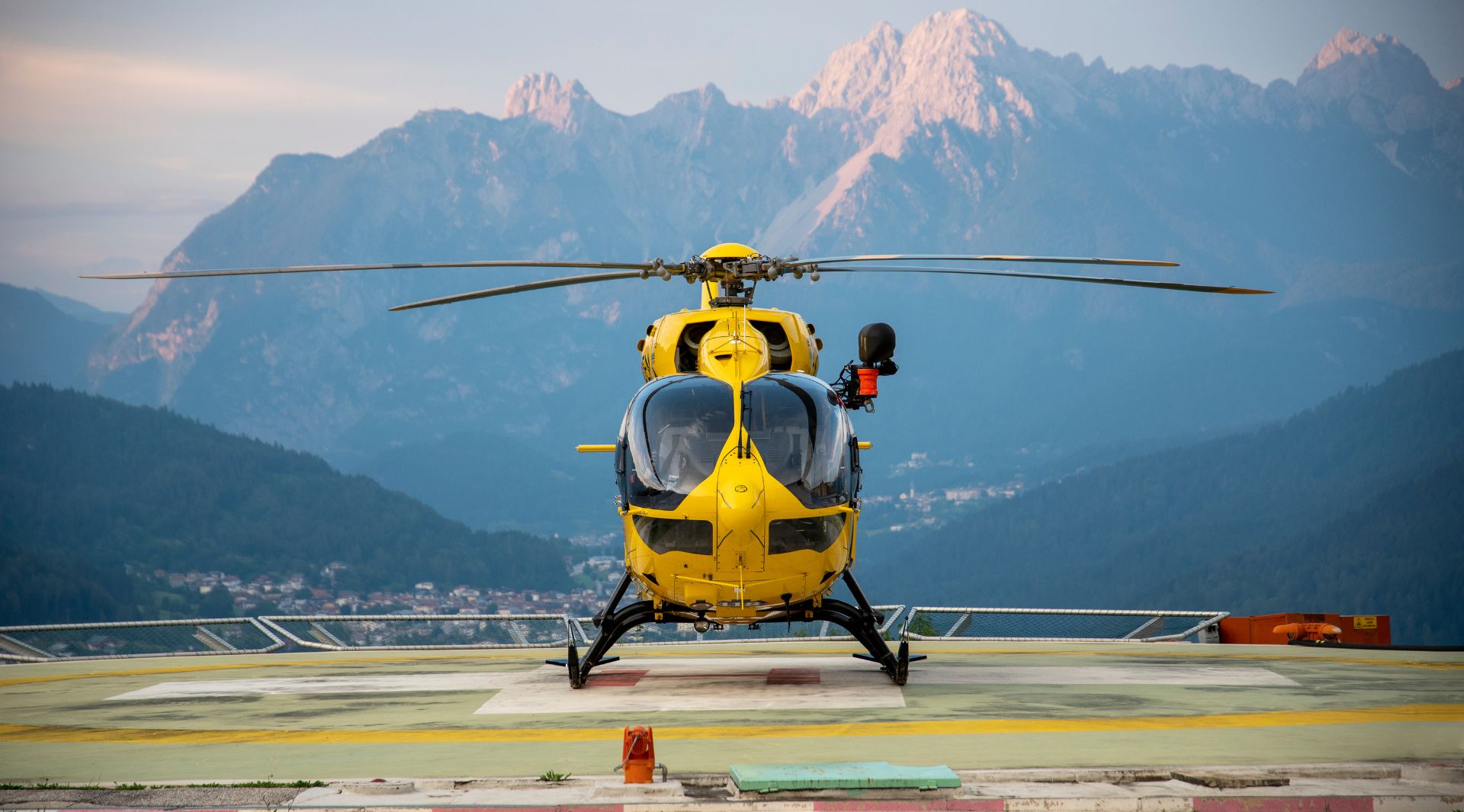
This study by Vlaskamp and colleagues investigates how often startle and surprise events occur in helicopter operations, how pilots respond, and what mitigation strategies are currently used or could be adopted to enhance safety.
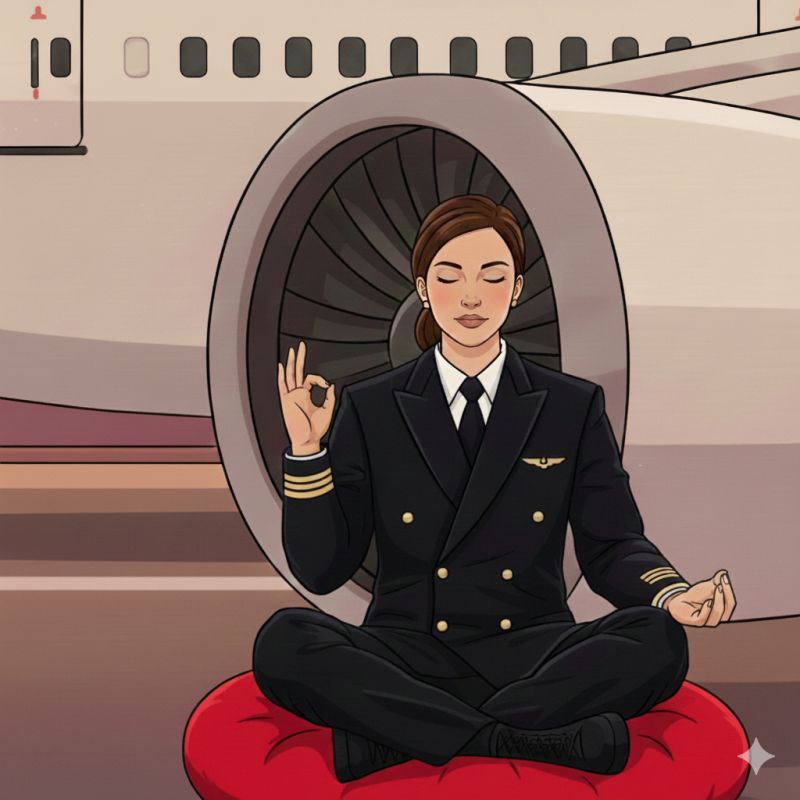
This post from LinkedIn by A320 instructor pilot Mike Edelman looks at the power of controlled breathing in stress management.
Airline pilot and human factors research scientist Dr Kimberly Perkins shares her latest work, “Enhancing Flight Deck Resilience and Optimizing Risk Mitigation: A Sociotechnical Approach.” This paper explores the flight deck as a sociotechnical system, emphasising the critical role of the cognitive, affective, communicative, and collaborative activities pilots use to manage information, coordinate with their crew, and make informed decisions.
In this brilliant video series, professor David Woods talks about resilience engineering (building resilience into complex systems).
William R. Hoffman, MD is a neurologist and aircrew brain health researcher with an interest in aeromedical screening and healthcare behavior. He is an affiliated assistance professor of aviation at the University of North Dakota John D. Odegard School of Aerospace Science. He is an internationally invited speaker on pilot health behavior and leads the Aerospace Medical Association Mental Health Research Subgroup. In this video, he talks about pilot mental health (source: lovefly podcast):