This review study examines how Crew Resource Management (CRM) has evolved since its introduction in the late 1970s and asks what the next generation of CRM training should look like. By questioning whether current CRM models are keeping pace with technological and operational change, the article contributes to an ongoing discussion about how pilots should be trained to manage uncertainty, complexity, and human-machine interaction in the next era of aviation.
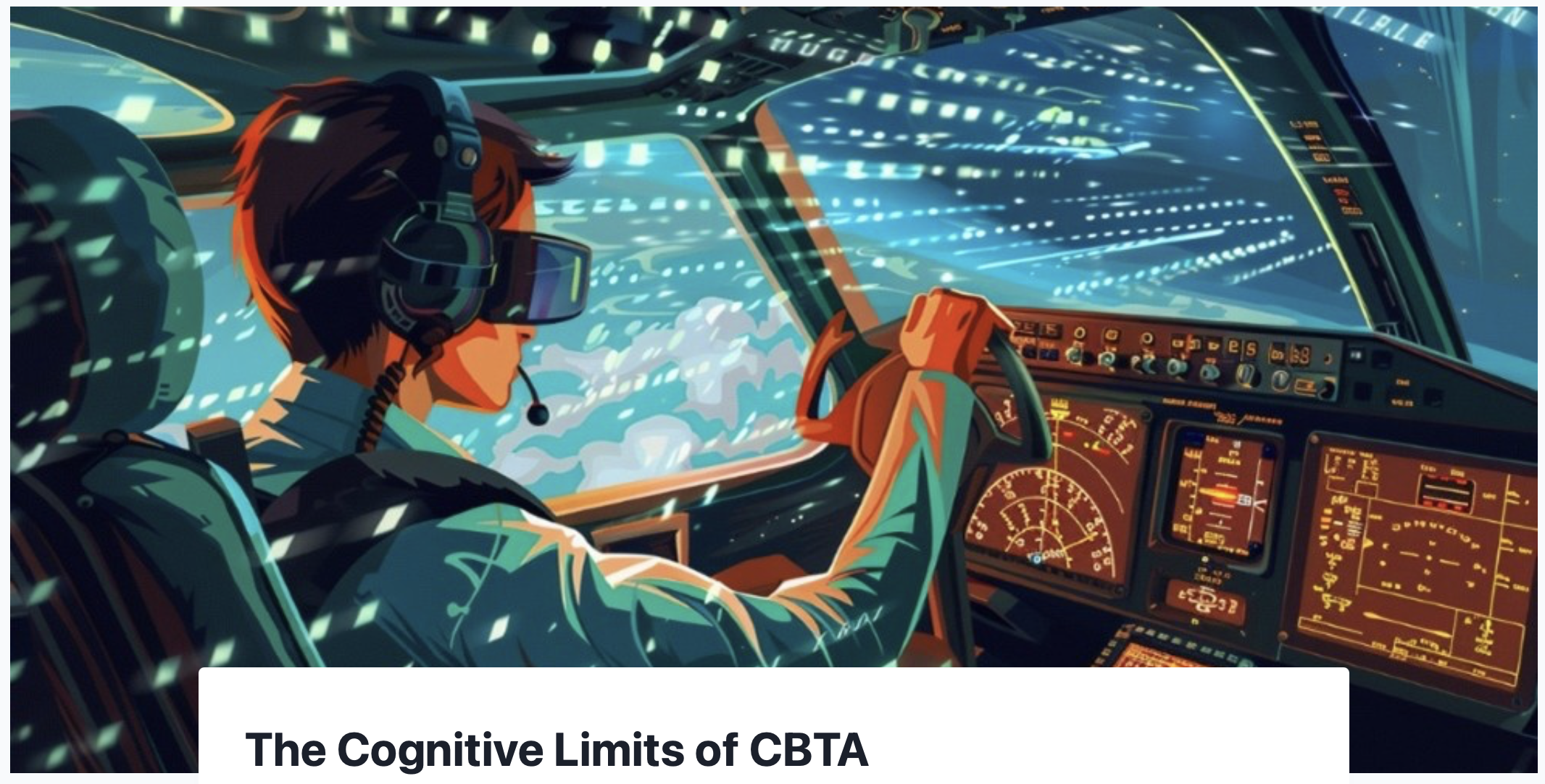
This article by Cedric Paillard on aviationtraining.ai explores one of the challenges of modern aviation training. While Competency-Based Training and Assessment (CBTA) improves how pilot performance is measured, does it fall short in addressing the deeper cognitive processes behind decision-making, adaptability, and resilience under pressure?
This article by Capt. Y. A. Franciosa from Aviomar Flight Academy titled The Art of Debrief, highlights one of the most valuable yet sometimes overlooked aspects of pilot training: the effective debrief.
In this article from www.competentaviators.com, Alex Pollitt examines a 2023 study into the role and impact of AI in future aviation training.
The short paper linked here provides an overview of Sweller’s Cognitive Load Theory, which is widely used in instructional design. It is particularly useful for designing instruction that optimizes cognitive load for learners with different levels of expertise.
For CRM developers, the theory offers concrete guidance on how to avoid unnecessary cognitive load.
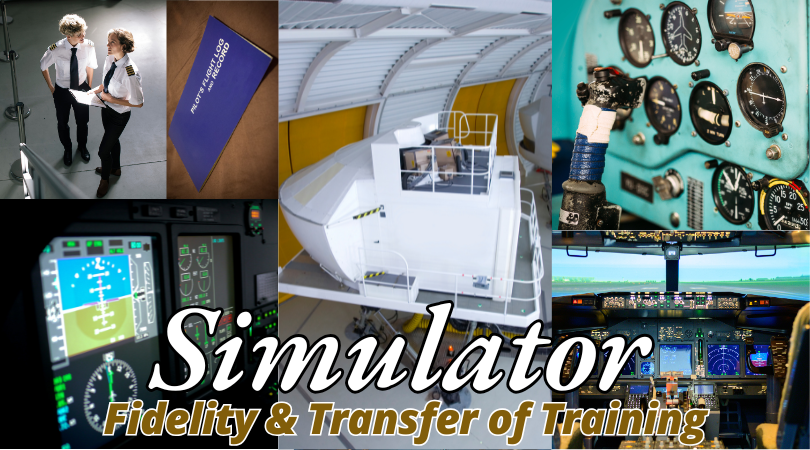
Does performance in the simulator translate to performance in the aircraft? The article by Alex Pollitt explores how flight simulators are used for pilot training and questions whether increasing fidelity (how closely a simulator replicates real flight conditions) always makes training more effective.
We discuss how CRM training for experienced crews must move beyond reinforcing familiar concepts and instead focus on recalibrating judgement and behaviour in realistic operational contexts. Grounded in adult learning principles, effective training leverages experience, reflection, and authentic challenge to influence how non-technical skills are applied in line operations.
Old, but not outdated, these two documents from 1988 give an example of how trainers can develop scenario based, table-top exercises, to facilitate learning in non-technical skills.
In this post from LinkedIn, Aviation Psychologist and Human Factors Specialist Aleksandra Kapela discusses the importance of the instructor in CBTA implementation.
CRM K-Hub brings you an overview of this comprehensive, science-based checklist for CRM training design and delivery, intended to guide trainers through the full training life-cycle. Meant as a good primer for CRM trainers who are not familiar with core training principles.