
 Written by
 What role does fidelity have in training to fly?
SOURCE: www.competentaviators.com
The article by Alex Pollitt explores how flight simulators are used for pilot training and questions whether increasing fidelity (how closely a simulator replicates real flight conditions) always makes training more effective.
While high-fidelity simulators offer safety, cost savings, and training flexibility, the relationship between realism and learning isn’t straightforward. The author breaks down different types of fidelity (physical, functional, psychological) and discusses how transfer of training – the shift of skills learned in simulation into real-world flight – depends as much on how simulation is designed and used as on how realistic it looks and feels.
In other words, more realism isn’t always better; effective training requires the right balance of simulation features to engage the behaviours and cognitive skills that matter in real flight.
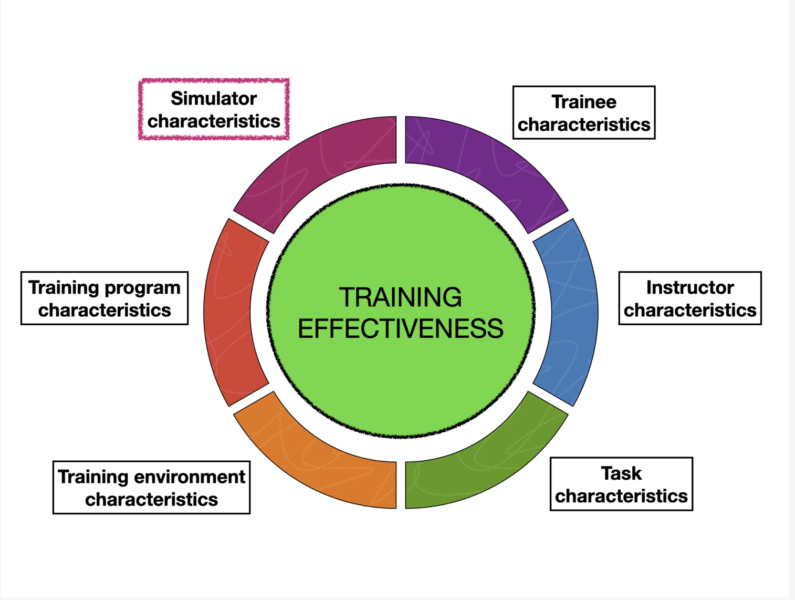
“There is a strongly held misconception within the industry from regulators to student pilots that the higher the level of fidelity, the better the transfer of training. Despite our perception that more is better, perfect physical and functional fidelity are not actually required to achieve transfer of training. Perhaps this is lost on us in the era of burgeoning virtual reality and immersive training concepts ?“
“Does performance in the simulator translate to performance in the aircraft? It should do provided we get behavioural fidelity right. If the level of physical and functional fidelity provided in training (however low it may be) is capable of generating pilot behaviours that are true to their real flight environment, then performance will transfer. Understanding what level that may be for each individual is the challenge because it will change according to a trainee’s needs, experience, and the nature of the task in question.“