
This article by Cedric Paillard on aviationtraining.ai explores one of the challenges of modern aviation training. While Competency-Based Training and Assessment (CBTA) improves how pilot performance is measured, does it fall short in addressing the deeper cognitive processes behind decision-making, adaptability, and resilience under pressure?
The IATA Competency Assessment and Evaluation for Pilots, Instructors and Evaluators guidance material provides a comprehensive, practical framework for how competency-based training (including EBT) should be assessed and evaluated, defining standardized methods for observing behaviours, classifying performance against competencies, and grading using structured models such as observable behaviours and TEM outcomes.
This article by instructional development specialist Dr Doug Farrow, explains how Competency-Based Training and Assessment (CBTA) has become a broad training framework used across many industries, not just aviation, and is understood under various labels like performance-based or outcomes-based training.
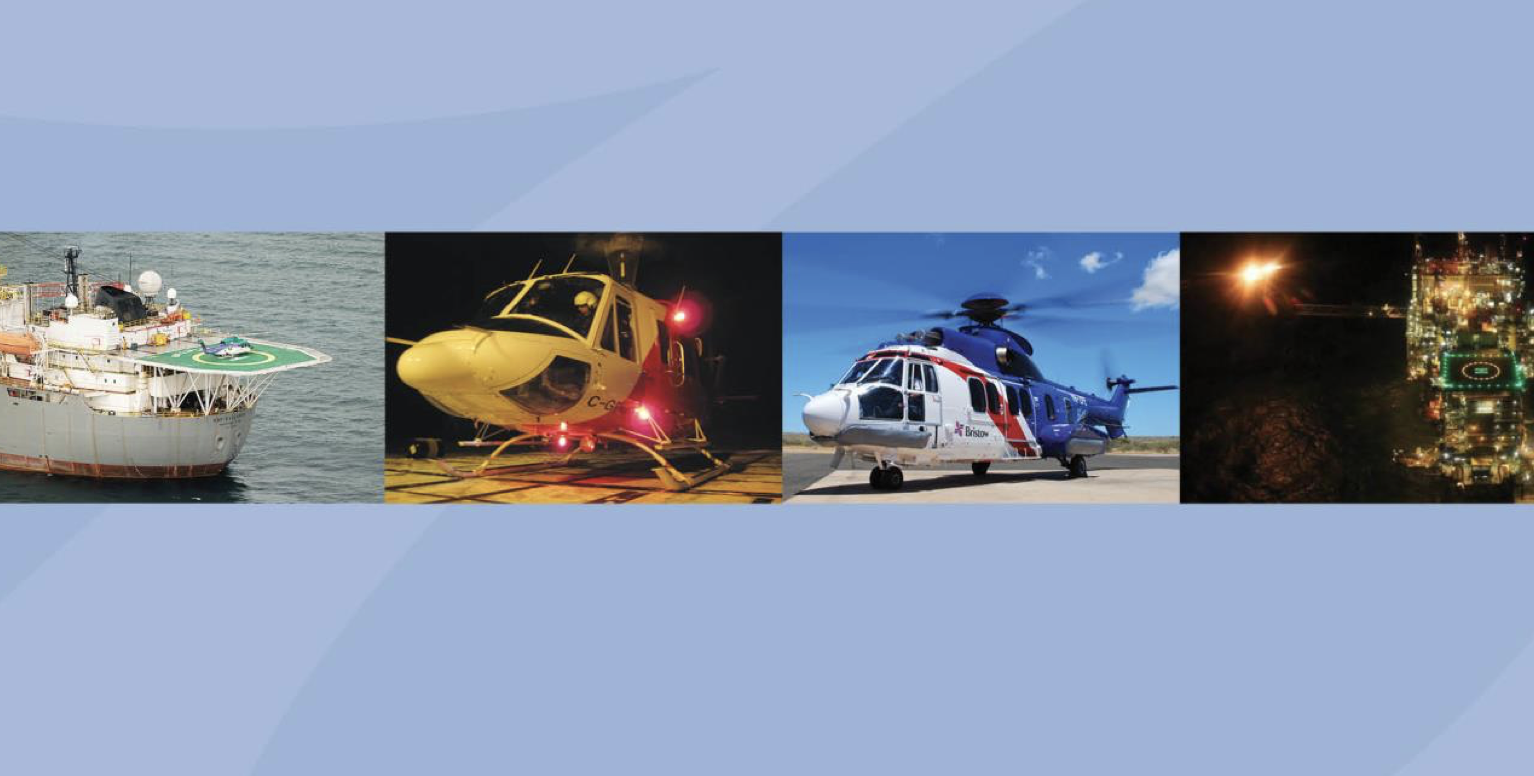
The Flight Crew Competency-Based Training (CBT) Framework for Offshore Helicopter Operations outlines a standardized system for developing helicopter pilots based on demonstrated competence rather than minimum flight-hour requirements.
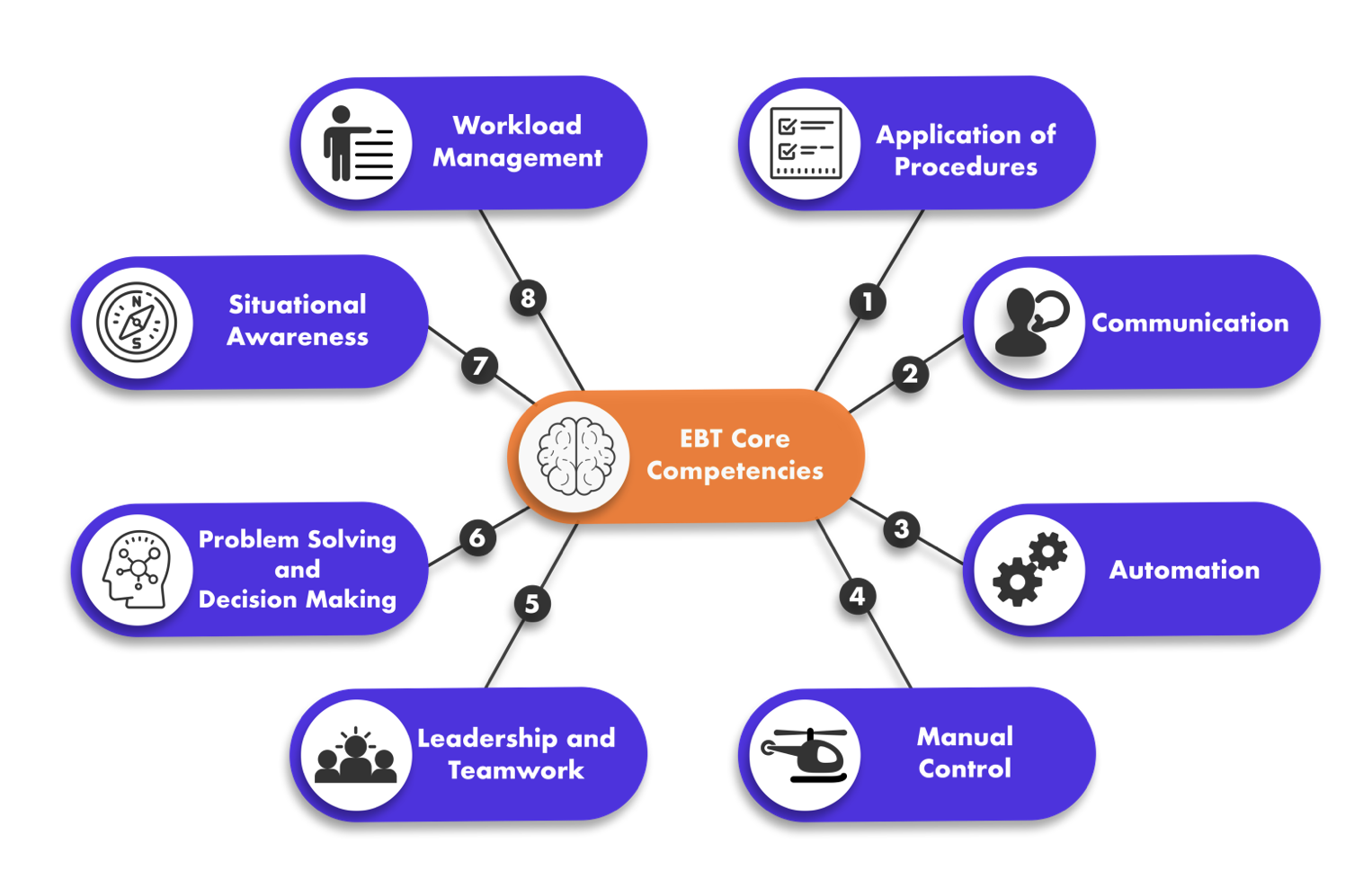
SOURCE: Pilots who ask why This summary from Pilotswhoaskwhy is a good primer for those not familiar with or wanting to refresh on the core concepts of Evidence Based Training (EBT). Jop Dingemans looks at what EBT means, where it came from, and what the benefits are including a breakdown of the core pilot competencies. CLICK […]
In this post from LinkedIn, Aviation Psychologist and Human Factors Specialist Aleksandra Kapela discusses the importance of the instructor in CBTA implementation.
CRM K-Hub brings you an overview of this comprehensive, science-based checklist for CRM training design and delivery, intended to guide trainers through the full training life-cycle. Meant as a good primer for CRM trainers who are not familiar with core training principles.
HeliNOTS (Helicopter Non-technical Skills) is a series of behavioural marker systems, developed by the Applied Psychology and Human Factors Group of the University of Aberdeen. There are three HeliNOTS systems, the first two focusing exclusively on pilots: HeliNOTS (O) defining the core non-technical skills and behavioural markers for offshore transport pilots, and HeliNOTS (S) defining the core non-technical skills and behavioural markers of search and rescue pilots. The third, HeliNOTS (SAR) is a crew-based system for both technical and flight crew training and assessment.
The ICAO Manual of Evidence-Based Training is the foundational reference that formalises Evidence-Based Training (EBT). For instructors it contains competency frameworks and behavioural indicators.
The experts in cognitive skills training from ShadowBox Training bring this you this essay on the importance of training design over fidelity. They conclude that for teaching and learning cognitive skills the best approach for simulation is relatively high cognitive fidelity and the lowest necessary (rather than the highest possible) physical fidelity. There are important lessons here for how we should think about training design in aviation, particularly in the area of non-technical skills training (in and outside of full flight simulators) and CRM training.