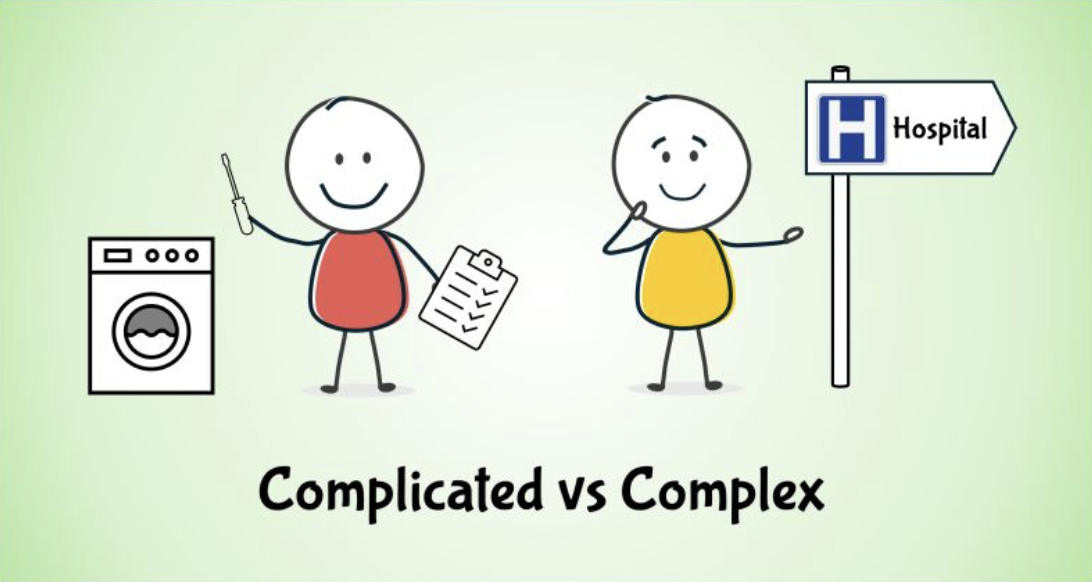
Just because something is complicated doesn’t mean it’s complex. This is an important distinction in human factors. This one minute insight was posted by the Chartered Institute of Ergonomics and Human Factors.
 Written by K-HUB

HUMAN FACTORS IN AVIATION
Just because something is complicated doesn’t mean it’s complex. This is an important distinction in human factors. This one minute insight was posted by the Chartered Institute of Ergonomics and Human Factors.
Written by K-HUB
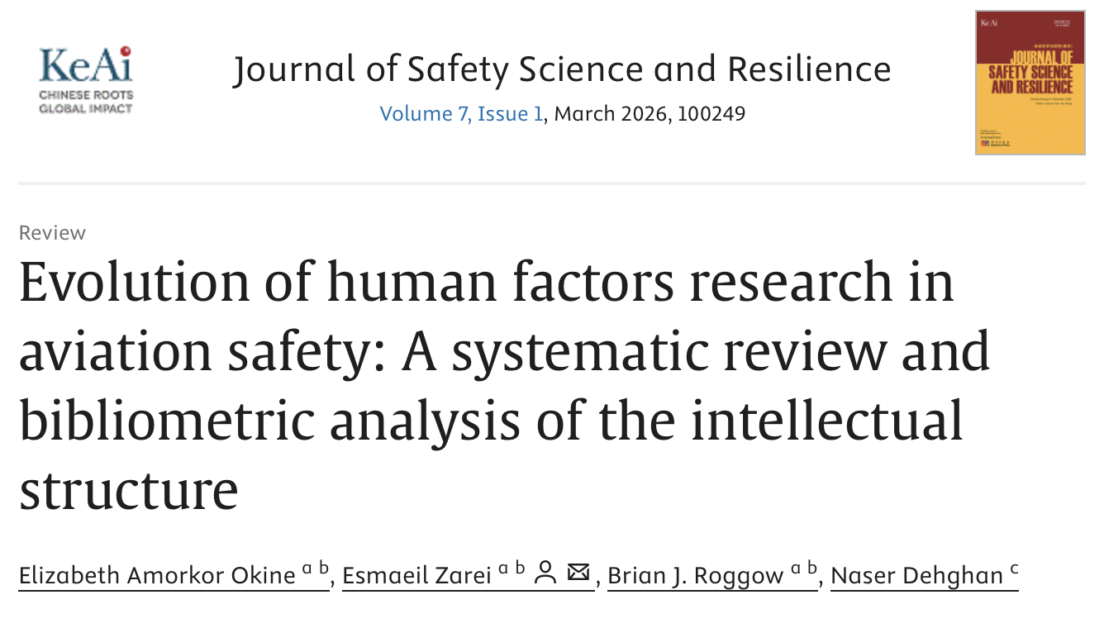
This brand new (2026) review by Okine and colleagues presents one of the most comprehensive examinations to date of how human factors (HF) research has evolved within aviation safety. What does it tell us about the growth and development of human factors in aviation, and are there any lessons in there for how we train crew resource management on the front line of aviation?
Written by K-HUB
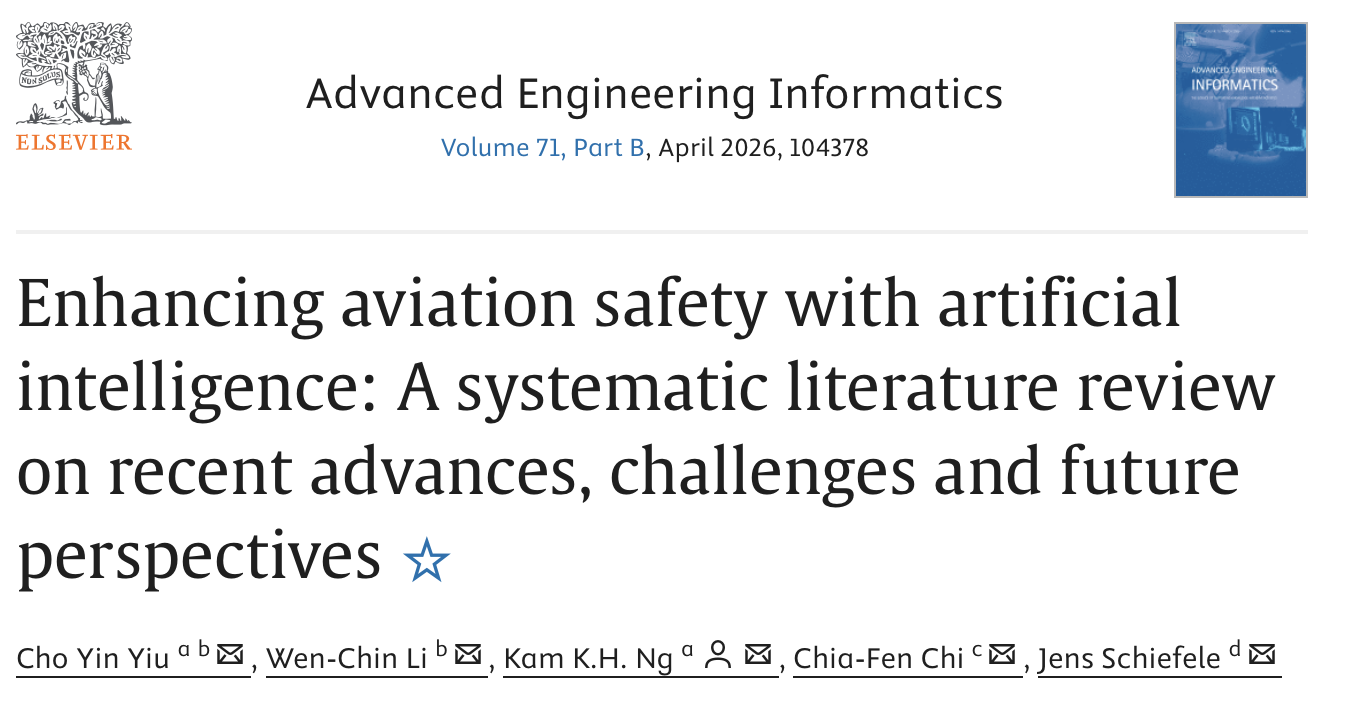
We look at what a major new systematic review by Yiu et al. (2026) tells us about how artificial intelligence (AI) is rapidly changing the way aviation understands and manages human performance, with major implications for human factors research and Crew Resource Management (CRM) training.
Written by K-HUB
Crew Resource Management (2nd Edition) is widely regarded as the definitive reference text on CRM training and practice in aviation. Edited by some of the original pioneers in CRM research, this comprehensive volume synthesises decades of empirical evidence, theoretical insight, and real-world applications to offer both depth and breadth on the subject.
Written by K-HUB
This review paper by Okine, Zarei, Roggow, and Dehghan (2025) provides a high-level map of how human factors (HF) research in aviation safety has evolved and where it is heading. Recent growth reflects increasing attention to organisational factors, safety management, and the interaction between humans, technology, and complex operational environments.
Written by K-HUB
The PACDEFF (Pacific and Australasian CRM Developers and Facilitators Forum) conference is the place to go for CRM developers and facilitators. In their extensive archives section you can find many of the presentations given at past conferences online. A wealth of information for any CRM enthusiast!
 Written by Daan
DISCOVER HUMAN FACTORS from the UK Chartered Institute of Ergonomics and Human Factors is a free learning resource offering an introduction to the discipline of HF. A series of four real-life video examples discusses how human factors can be used to make life and work easier and safer for individuals:
Written by K-HUB
For those new to the field who don’t really know what human factors and CRM in aviation is all about. This is a great place to start. A presentation is from a workshop on human factors in aviation and aerospace held at the 2020 Space Apps – Waterloo Hackathon by Dr Kearns offers a good general overview of human factors.
Written by K-HUB
The Aerospace Safety Timeline tool is an impactful way of visualising data and describes the history of innovation and development in aerospace.
It features significant aerospace events, accidents, investigations, innovations, and regulatory decisions that have shaped aerospace history, allowing you to view images, videos, and other details of significant events during your aerospace safety exploration.
Written by K-HUB
The Australian Civil Aviation Safety Authority has put together this Human Factors workbook for pilots, an interesting series of PDF booklets and accompanying videos covering topics such as Safety Culture, Human Performance, Decision Making, TEM and more. It also includes a workbook. Well worth a look, click on the link below.
Written by Daan