
This seminal study by Dismukes and Berman (2010) from NASA looks at the role of checklists and monitoring as two essential defences against equipment failures and pilot errors. Problems with checklist use and pilots’ failures to monitor adequately have a long history in aviation accidents. A short summary of the key recommendations is given here.
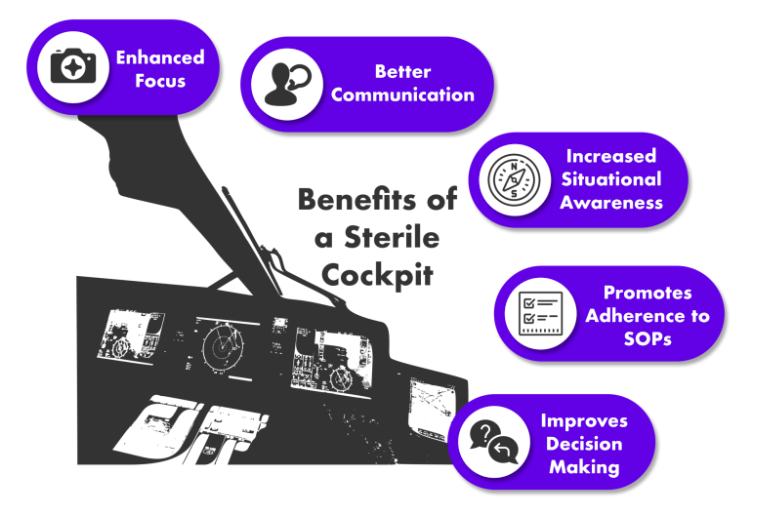
Having a sterile cockpit rule isn’t just about quieting down the cockpit: It’s about enhancing focus and ensuring safety during critical flight phases. It aims to reduce distractions and maintain clear, relevant communication when it really matters. The team at Pilotswhoaskwhy examine the sterile cockpit concept.
Are lengthy, outdated flightdeck briefings really contributing to aviation safety? Captain RICH LOUDON*, Alaska Airlines and Captain DAVID MORIARTY, RAeS HF Group (Flight Operations and Training) take a look at current briefing procedure and suggest a new way forward. Source: Royal Aeronautical Society aerosociety.com On 14 August, 2013, an Airbus A300, experienced a controlled flight into terrain fatal […]