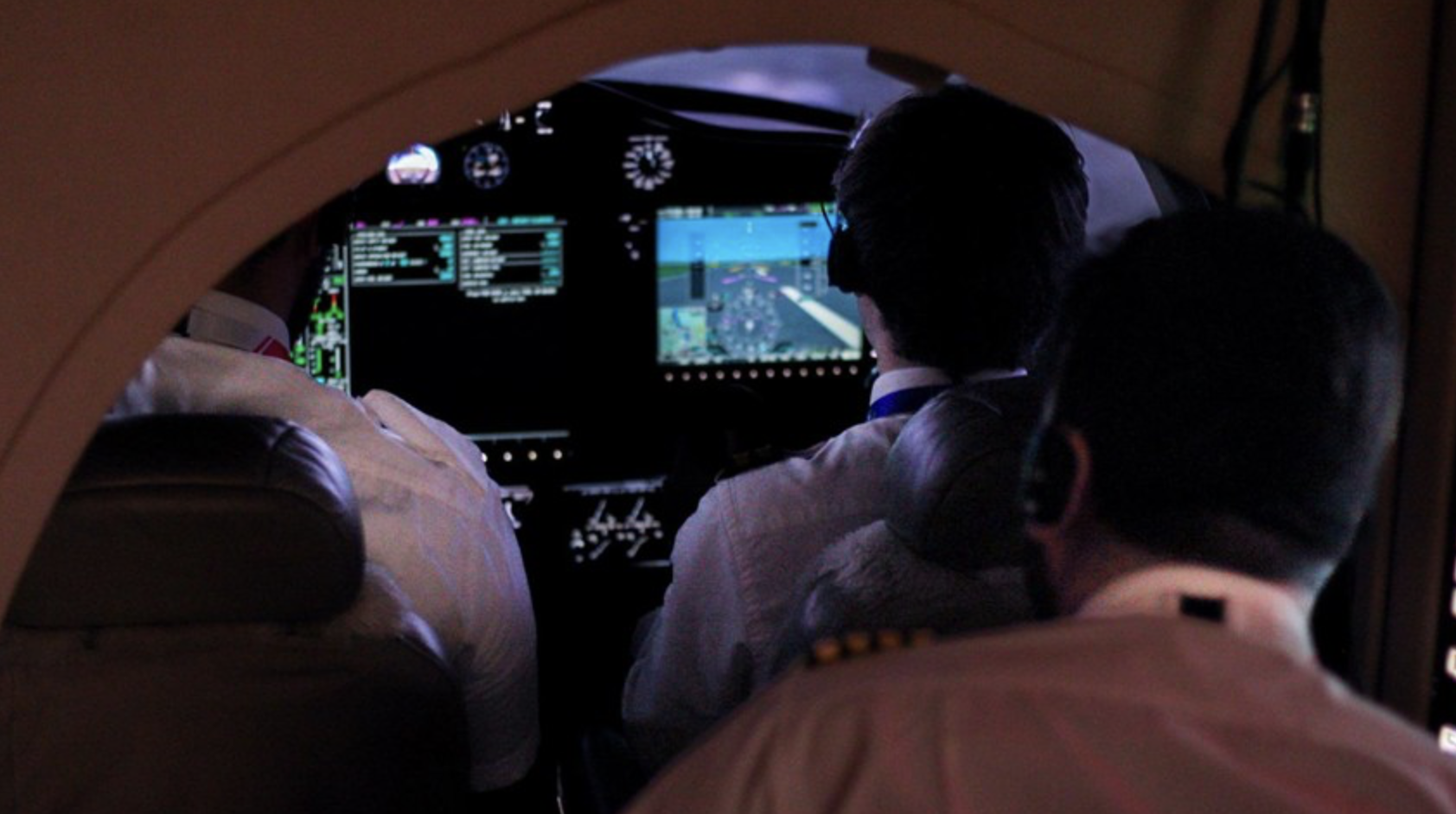
This review study examines how Crew Resource Management (CRM) has evolved since its introduction in the late 1970s and asks what the next generation of CRM training should look like. By questioning whether current CRM models are keeping pace with technological and operational change, the article contributes to an ongoing discussion about how pilots should be trained to manage uncertainty, complexity, and human-machine interaction in the next era of aviation.
This article by Cedric Paillard on aviationtraining.ai explores one of the challenges of modern aviation training. While Competency-Based Training and Assessment (CBTA) improves how pilot performance is measured, does it fall short in addressing the deeper cognitive processes behind decision-making, adaptability, and resilience under pressure?
This article by Capt. Y. A. Franciosa from Aviomar Flight Academy titled The Art of Debrief, highlights one of the most valuable yet sometimes overlooked aspects of pilot training: the effective debrief.
This article by Mark Farrer-Brown looks at psychological safety as the foundation of high-performing teams, enabling people to speak up, share ideas, and learn without fear of embarrassment or punishment. It highlights that strong organisational culture is built on this foundation, and that psychological safety supports innovation, inclusion, and continuous learning.
This excellent article from safety and risk management specialist Jamie Mallinder on LinkedIn examines the difference between objective risk and risk perception, why there is often a gap between the two, and what the implications are on safety.
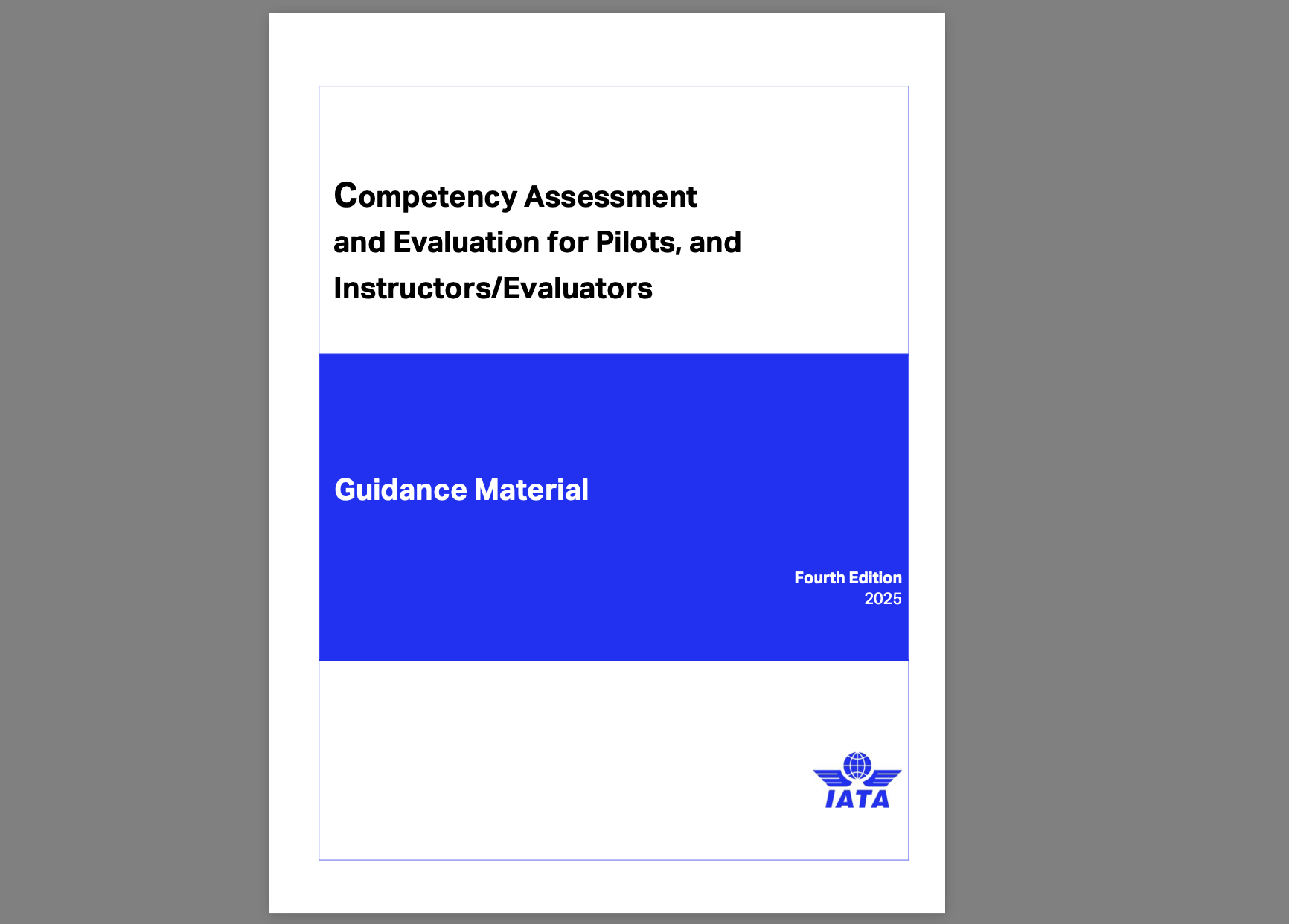
The IATA Competency Assessment and Evaluation for Pilots, Instructors and Evaluators guidance material provides a comprehensive, practical framework for how competency-based training (including EBT) should be assessed and evaluated, defining standardized methods for observing behaviours, classifying performance against competencies, and grading using structured models such as observable behaviours and TEM outcomes.
In this article from www.competentaviators.com, Alex Pollitt examines a 2023 study into the role and impact of AI in future aviation training.
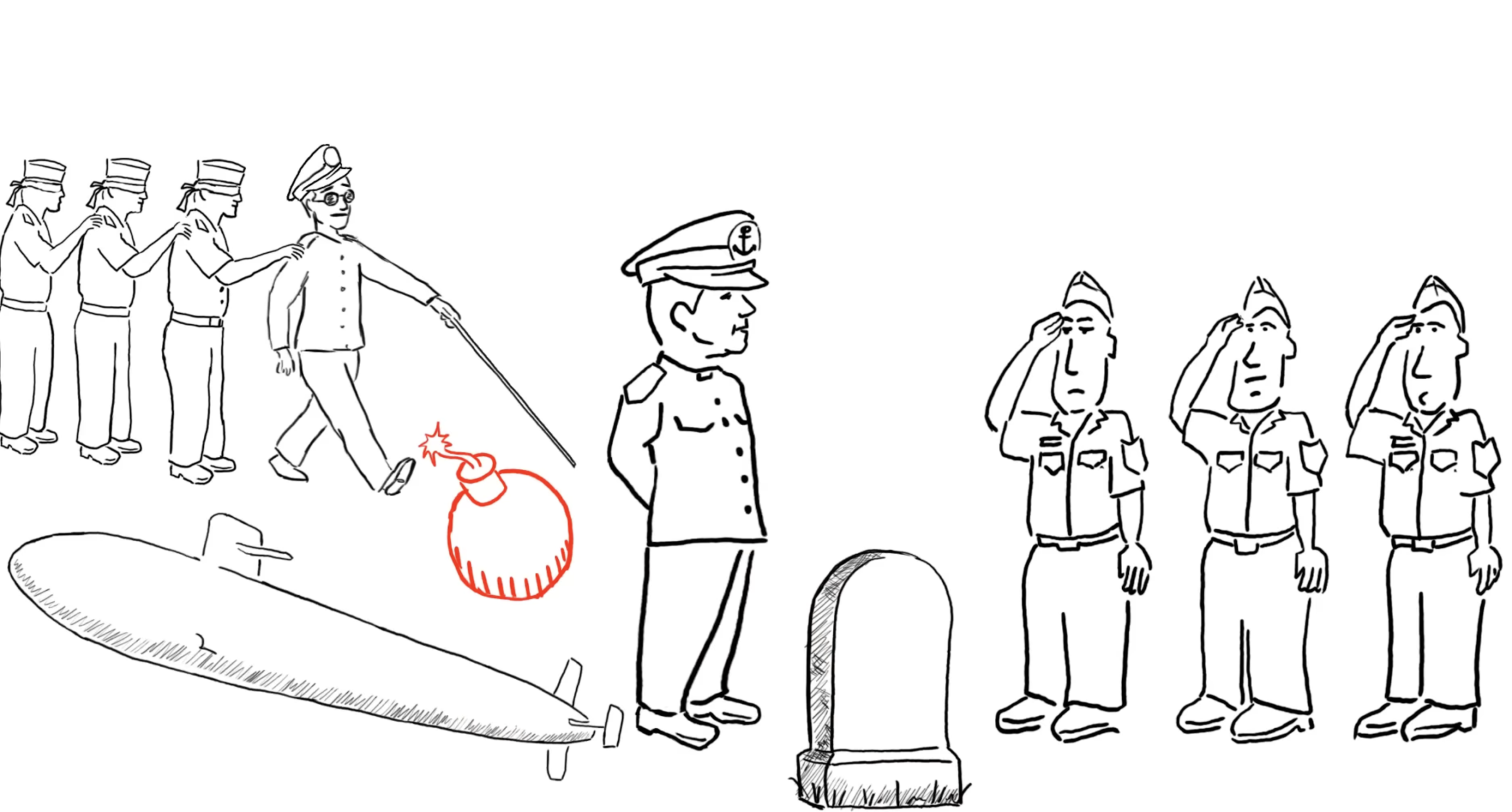
The leadership philosophy developed by David L. Marquet centres on replacing the traditional leader–follower model with a leader–leader model, in which authority and responsibility are distributed throughout the organisation.
Most decisions feel shared while they are being discussed. Their consequences rarely do. In this post by ex-Belgian Air Force pilot Jo Balcaen the weight of command, responsibility, and accountability is considered in the light of – and despite – shared decision-making.
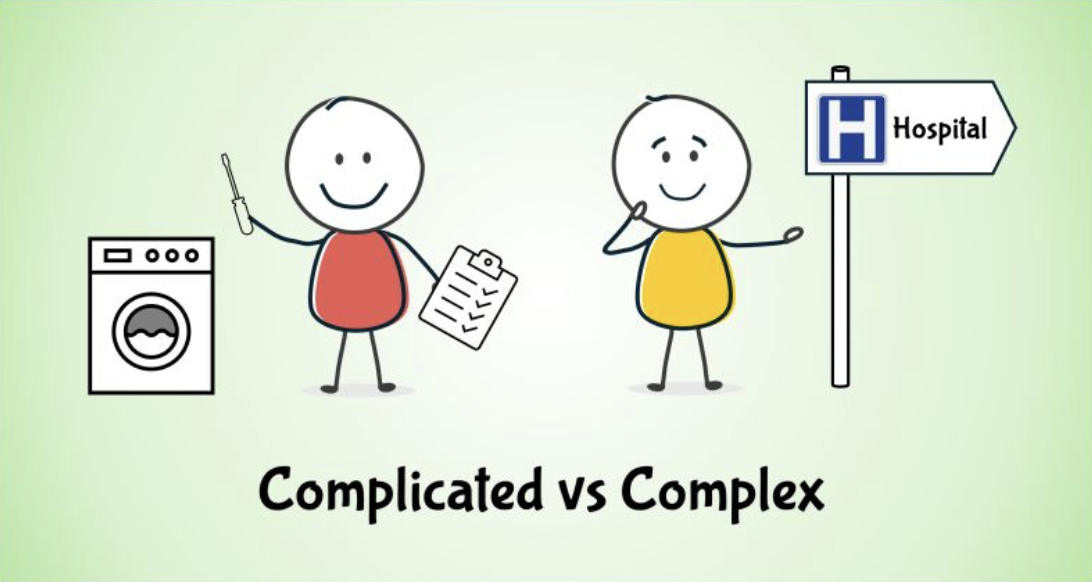
Just because something is complicated doesn’t mean it’s complex. This is an important distinction in human factors. This one minute insight was posted by the Chartered Institute of Ergonomics and Human Factors.