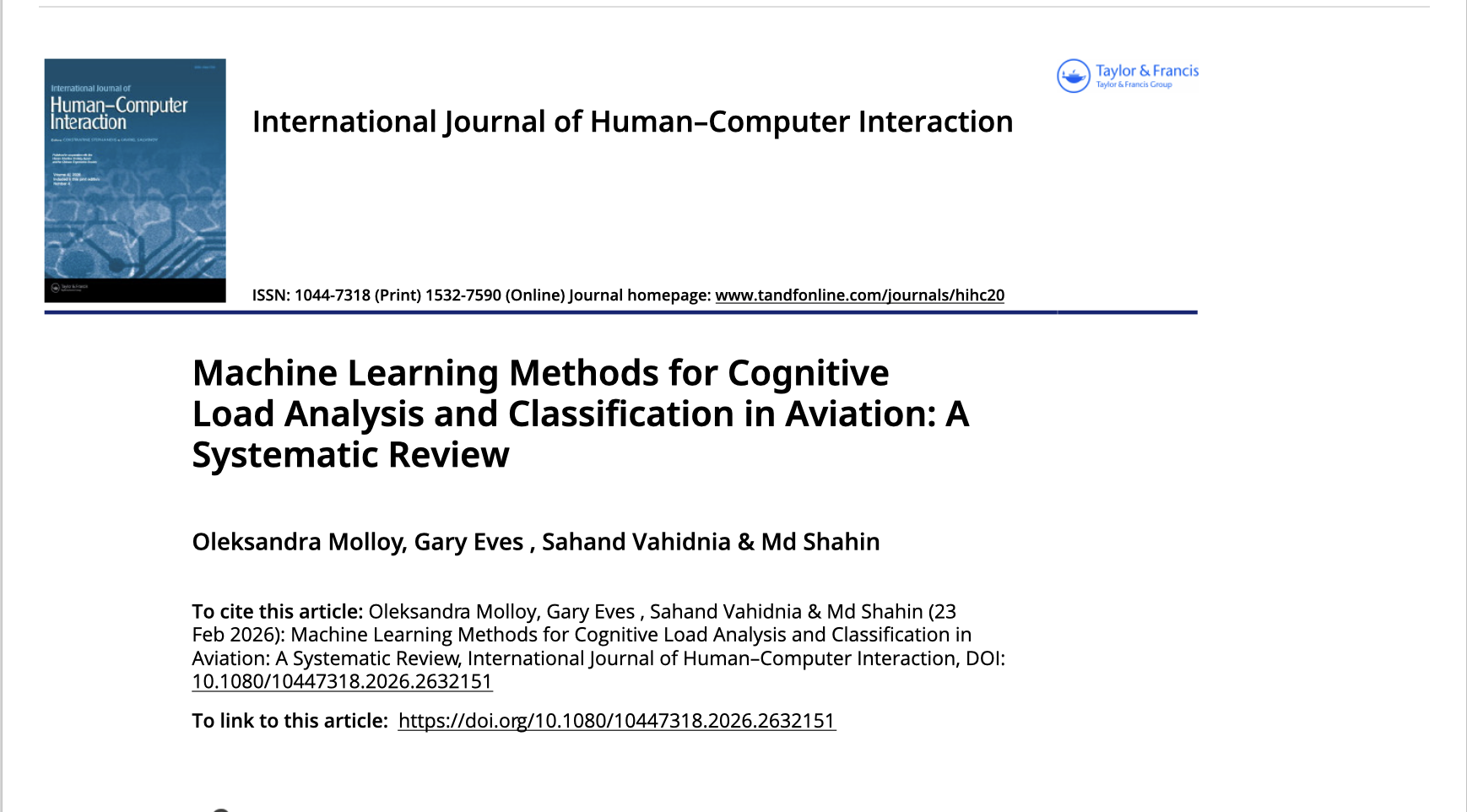
This 2026 systematic review by Molloy et al. highlights the growing role of machine-learning approaches in objectively assessing cognitive workload in aviation through physiological and behavioural data such as EEG, heart rate variability, and eye-tracking. For CRM and human-factors practitioners, the paper is significant because it demonstrates how advances in data analytics may allow workload to be monitored more accurately and potentially in real time, providing deeper insight into how workload influences situational awareness, decision-making, and crew coordination in complex operational environments
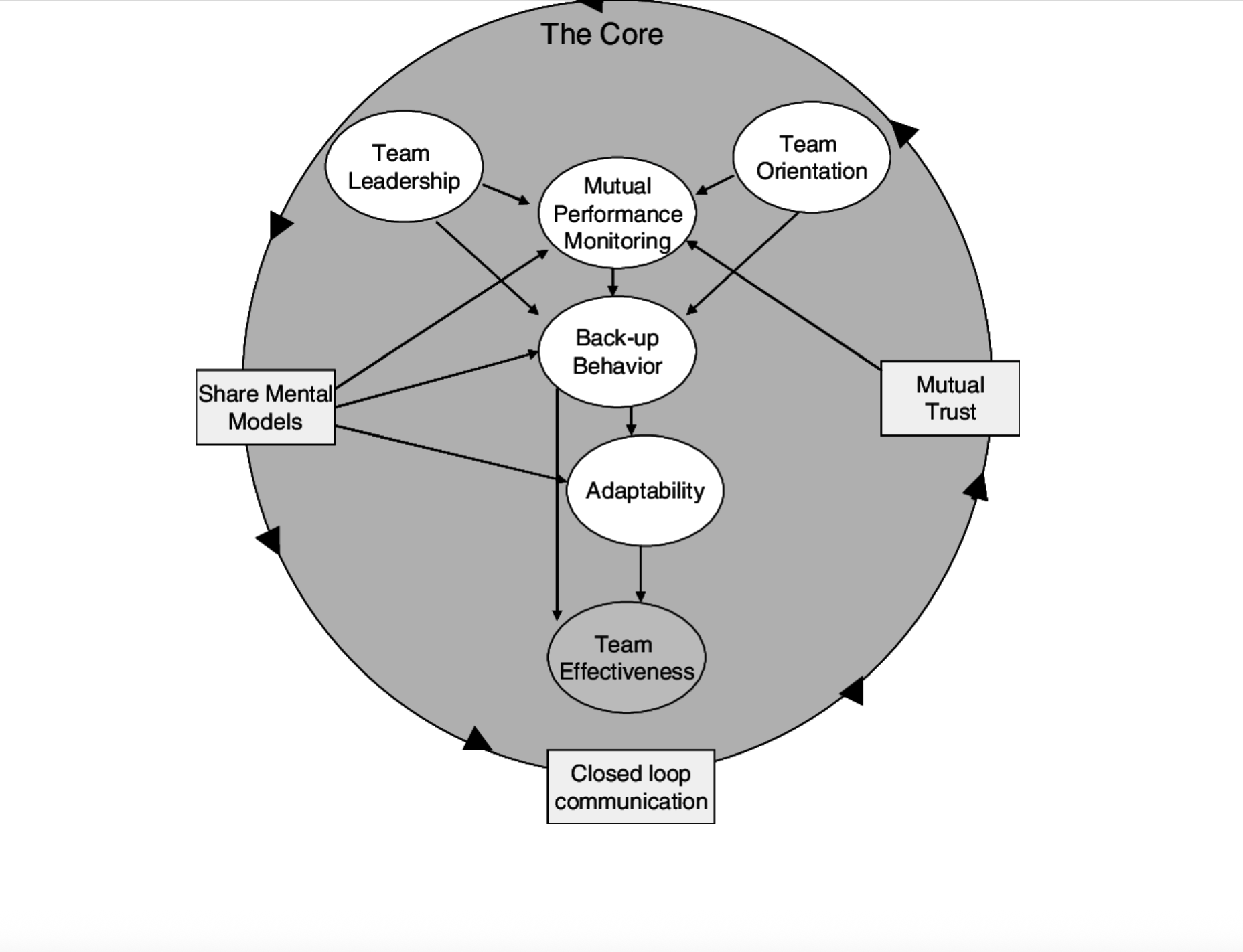
The seminal paper by Eduardo Salas and colleagues introduced the Big Five Model of Teamwork (B5T) as an integrative framework for understanding the behavioural processes that underpin effective team performance in complex environments. The authors reviewed a large body of teamwork literature and synthesised more than a hundred previously proposed teamwork frameworks into five core teamwork behaviours: team leadership; mutual performance monitoring; backup behaviour; adaptability; team orientation
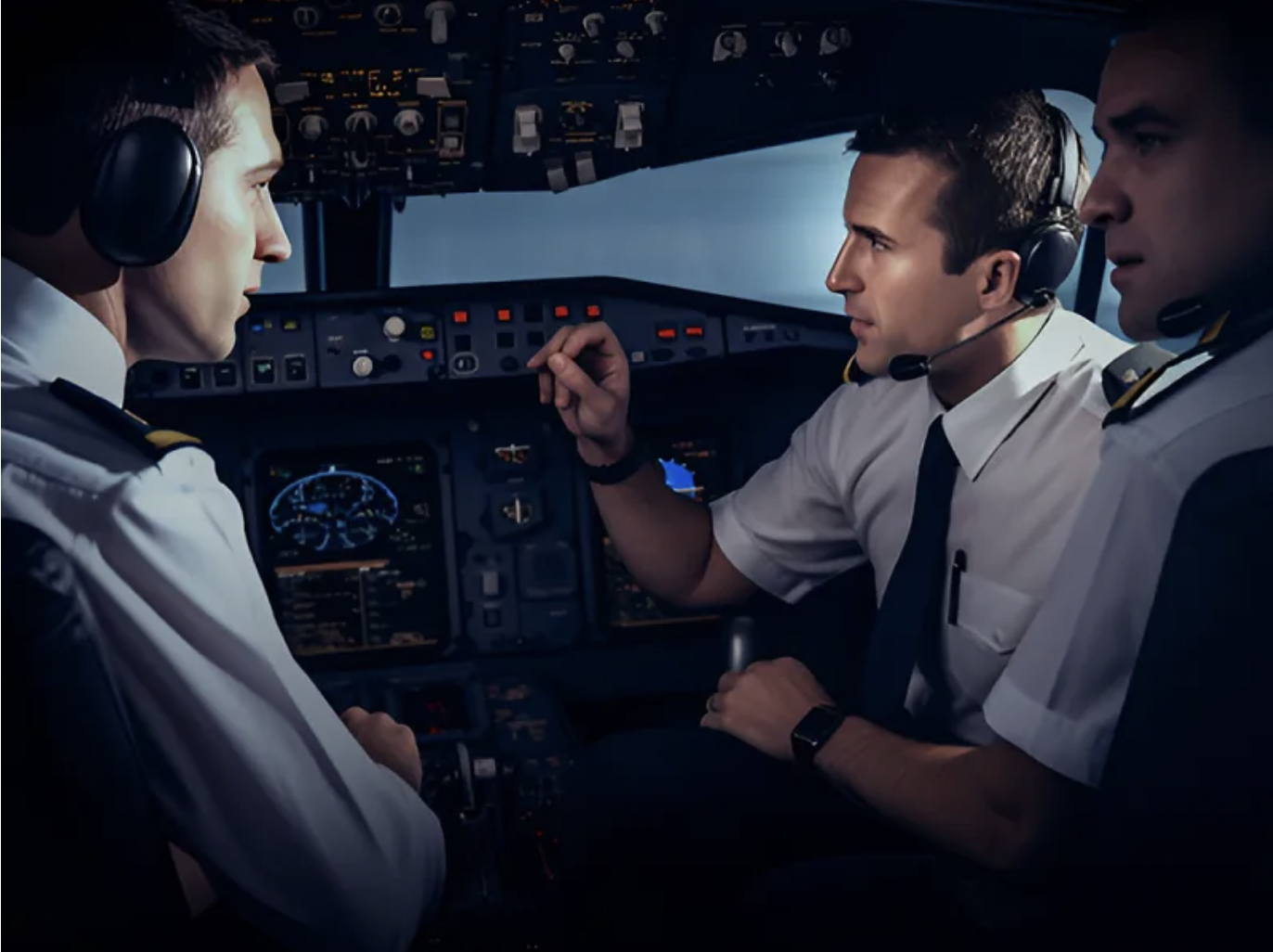
Mario Pierobon draws lessons from a fatal Hawker 800 crash to highlight why thorough briefings and crew coordination should be a central part of any flight operations’ CRM Training.
In this 2026 study, Bills, Costello, and Cattani present a rare inside look at how 12 leading government Safety Investigation Authorities (SIAs) actually analyse major aviation accidents.
The study maps the investigation models and analytical frameworks used in practice by investigators and compares them with both ICAO guidance and contemporary academic debate.
This article by instructional development specialist Dr Doug Farrow, explains how Competency-Based Training and Assessment (CBTA) has become a broad training framework used across many industries, not just aviation, and is understood under various labels like performance-based or outcomes-based training.
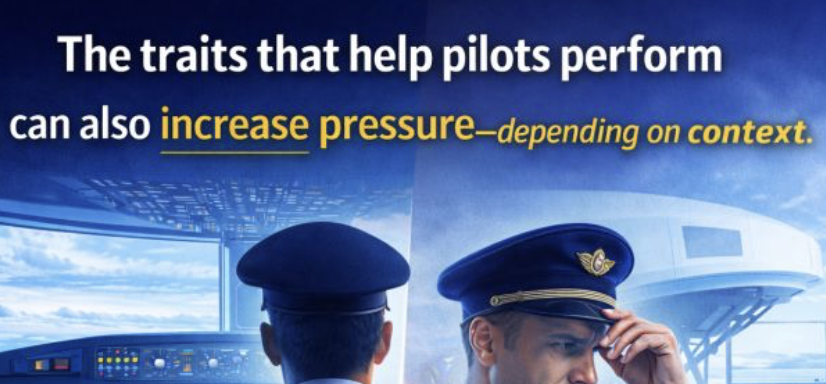
Lori Thomas raises the question of the impact of pilot personality traits on individual stress recognition and self regulation. An area of current research interest in aviation human factors is the inclusion individual cognitive management techniques and mental preparation into pilot training. One example of where aviation training can look for best practice in this area is elite sports, where athletes work closely with sports psychologists to develop psychological self-regulation, stress management and performance under pressure.
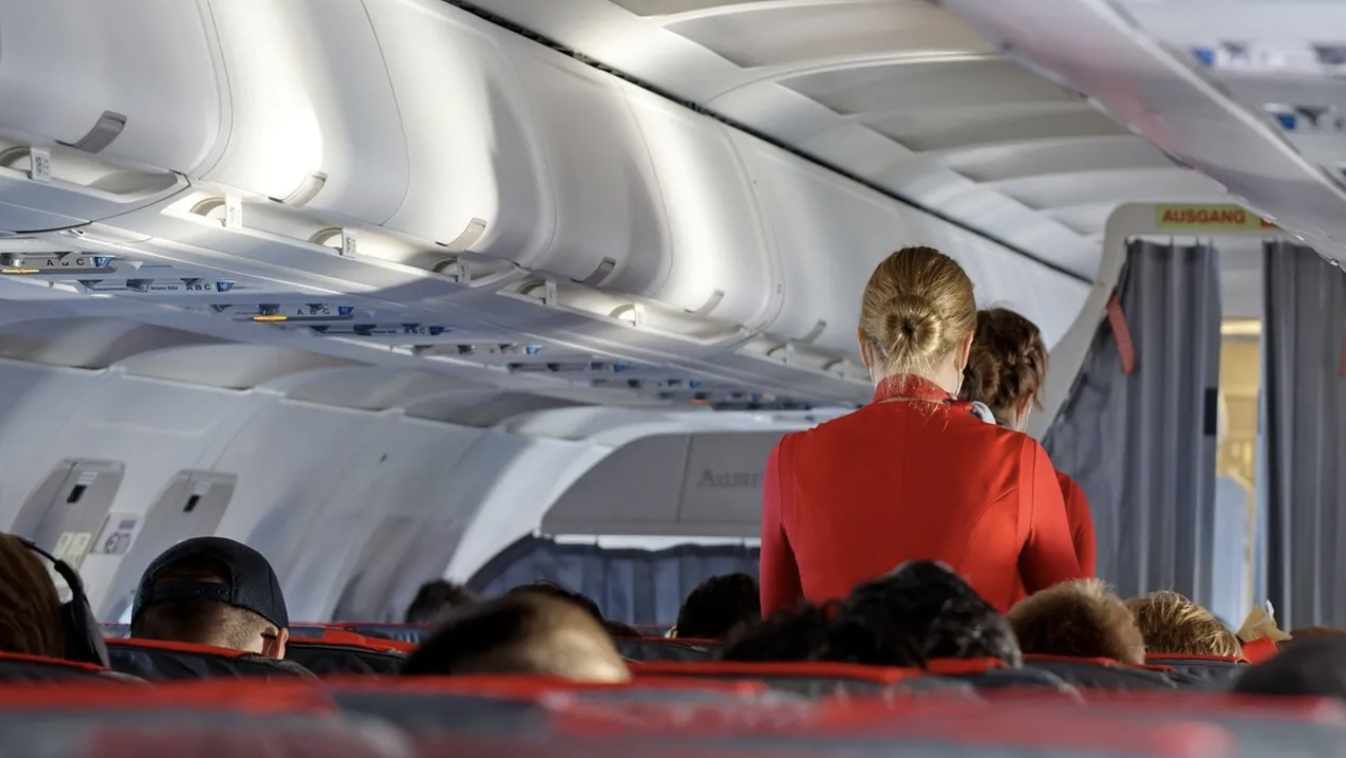
In this interview, Helen Heenan discusses whether current Cabin Crew CRM training truly prepares crew for real operational challenges, touching on topics such as training effectiveness, regulatory gaps, and adapting for a new generation.
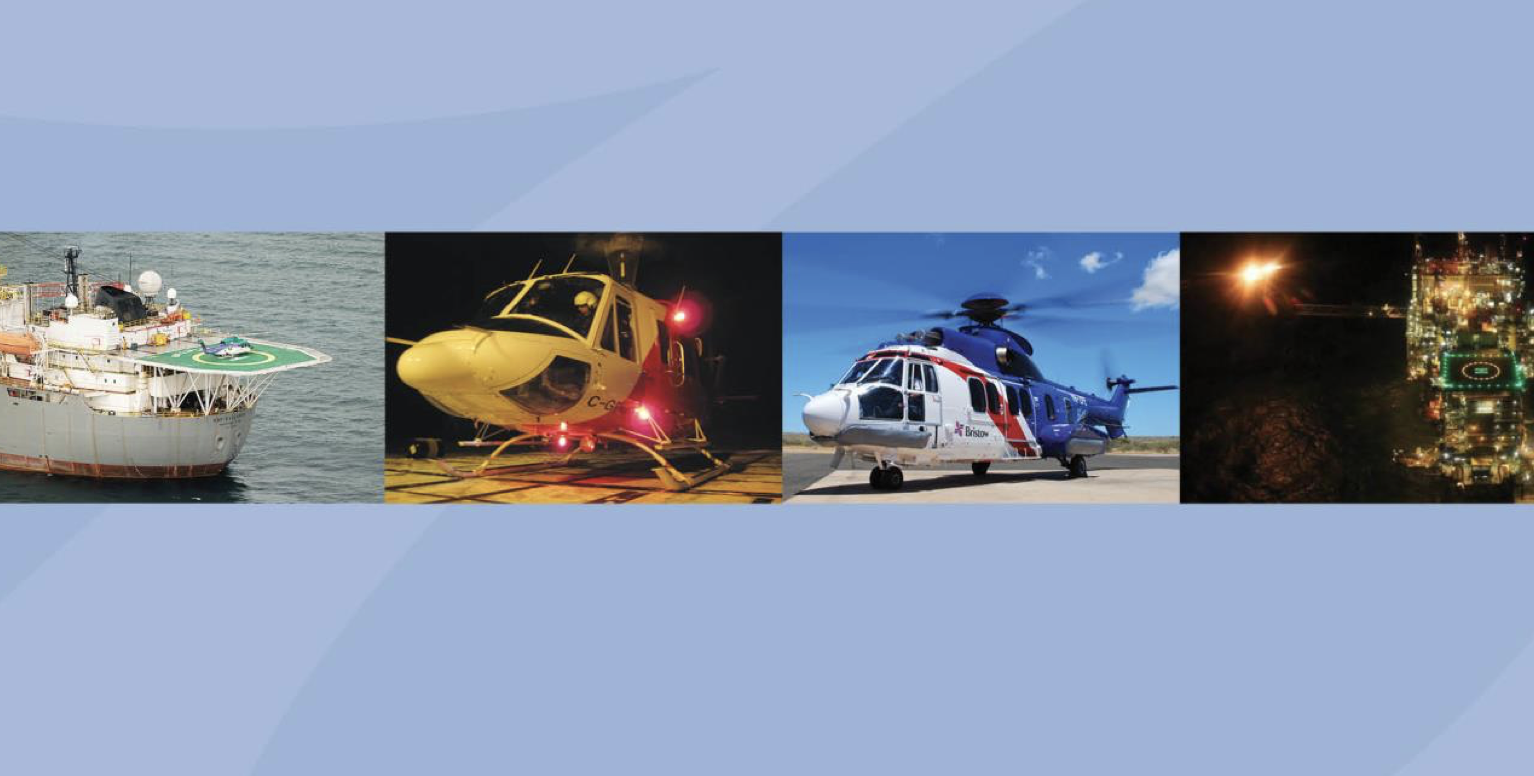
The Flight Crew Competency-Based Training (CBT) Framework for Offshore Helicopter Operations outlines a standardized system for developing helicopter pilots based on demonstrated competence rather than minimum flight-hour requirements.
This piece from Halldale.com explains new research from TNO, Delft, and Cranfield Universities examining both prevalence and impact of Startle &Surprise among cabin crew, and finding that perceived control during events strongly predicted both immediate performance and long-term wellbeing outcomes.
SOURCE: Pilots who ask why Pilotswhoaskwhy.com examine the question of pilot mental health, including: TO ACCESS THE FULL ARTICLE – CLICK HERE