SOURCE: Pilots who ask why In this introduction to the key elements of fatigue management for pilots Pilots who ask why cover: To access the full article – CLICK HERE
 Written by K-HUB

SOURCE: Pilots who ask why In this introduction to the key elements of fatigue management for pilots Pilots who ask why cover: To access the full article – CLICK HERE
Written by K-HUB
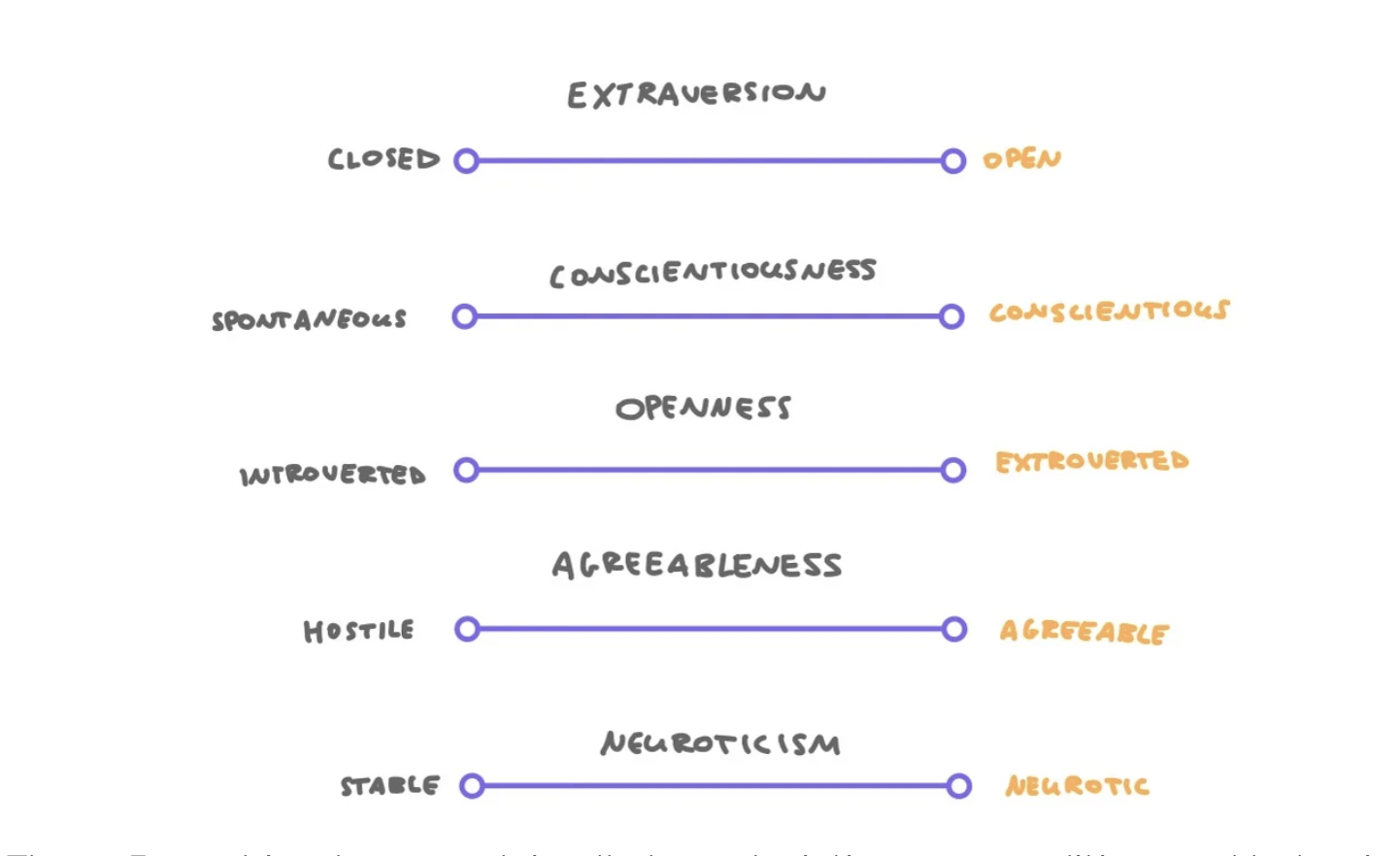
SOURCE: Pilots who ask why This article from Pilotwhoaskwhy.com introduces background to the Big Five personality traits The Big 5 Personality Traits derived from psychology research and links them to pilot competencies: Extraversion; Neuroticism ; Openness to experience; Agreeableness; Conscientiousness. CLICK HERE TO ACCESS THE FULL ARTICLE
Written by K-HUB
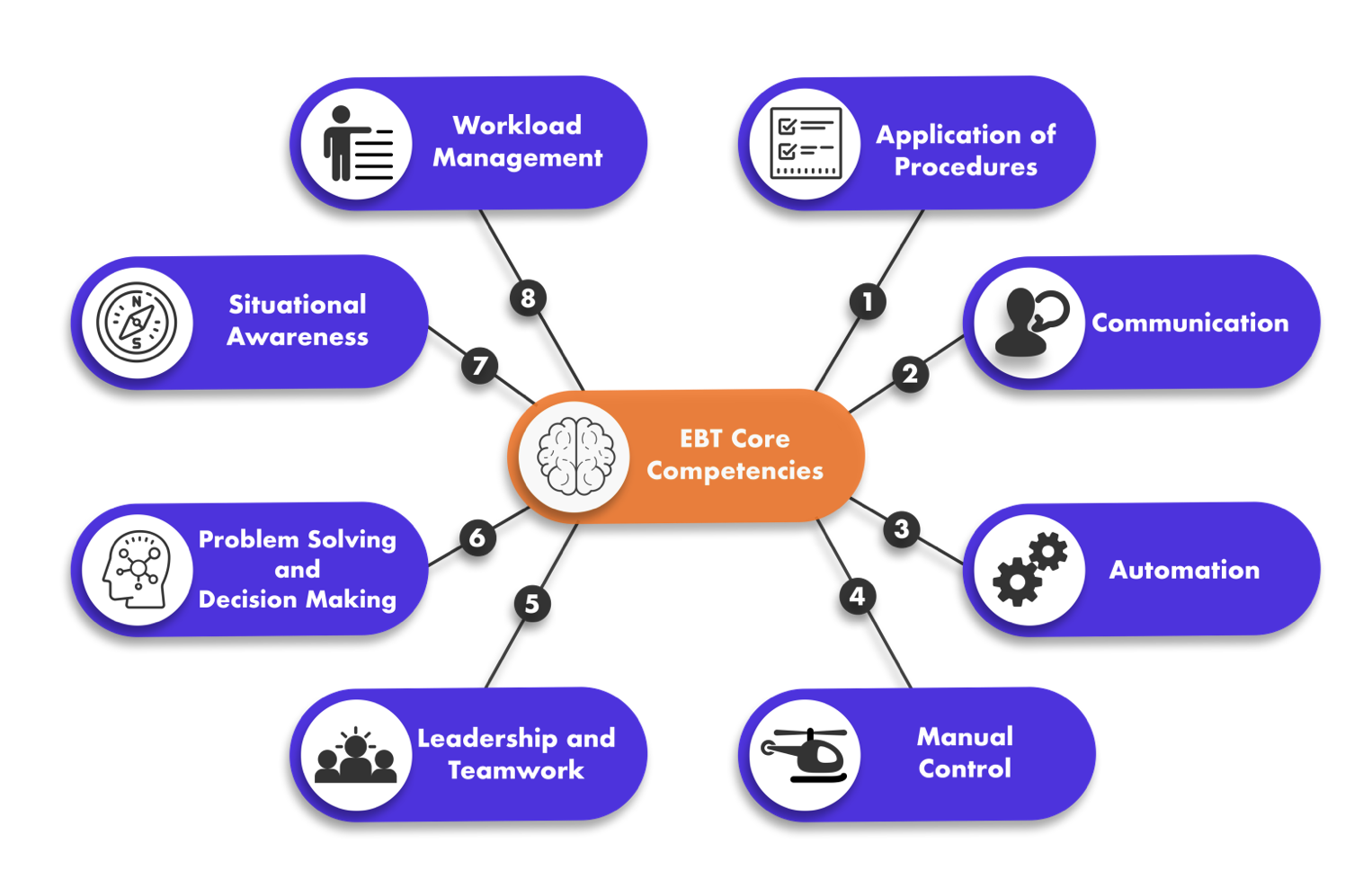
SOURCE: Pilots who ask why This summary from Pilotswhoaskwhy is a good primer for those not familiar with or wanting to refresh on the core concepts of Evidence Based Training (EBT). Jop Dingemans looks at what EBT means, where it came from, and what the benefits are including a breakdown of the core pilot competencies. CLICK […]
Written by K-HUB
This post on LinkedIn from aviation psychologist and helicopter pilot Carine Lage describes a mental health scenario based on a true account shared with her by a fellow pilot. It raises a debate about stress, fatigue, and pilot mental health that could be an interesting discussion point during CRM training sessions.
Written by K-HUB
For those CRM Trainers who are designing interactive or scenario-based facilitation sessions, check out this source of inspiration and assistance for planning and conducting team training.
Written by K-HUB
Does performance in the simulator translate to performance in the aircraft? The article by Alex Pollitt explores how flight simulators are used for pilot training and questions whether increasing fidelity (how closely a simulator replicates real flight conditions) always makes training more effective.
Written by K-HUB
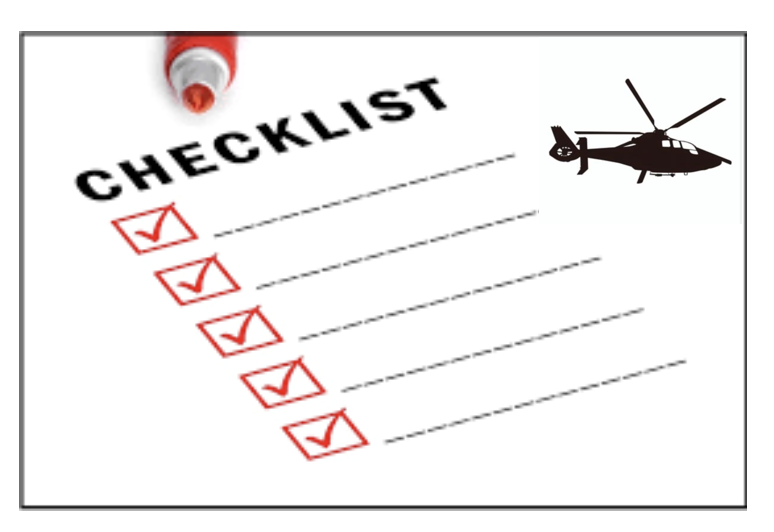
This article examines the role of checklists in helicopter operations and why helicopter flying presents unique challenges for checklist use. It argues that effective checklist use depends on context, training, and CRM behaviours such as communication and cross-monitoring.
Written by K-HUB
The article by Alex Pollitt explores the sterile cockpit rule. Originally a fixed-wing regulation that prohibits non-essential activity and conversation during critical phases of flight, the author examines how it applies in helicopter operations, where flight profiles and workloads are much more variable.
Written by K-HUB
This article by Alex Pollitt challenges the common assumption that faster responses always indicate greater skill or competence. It argues that slowness can reduce errors, enhance situational awareness, and improve decision making under stress.
Written by K-HUB
This article by Alex Pollitt recounts a serious inflight emergency after multiple, interacting failures, including smoke in the cockpit, loss of control inputs, engine overspeed and confusing indications. The author looks at how the flight crew were forced to handle ‘interactive complexity’ to recover the situation.
Written by K-HUB