Mentour Pilot –

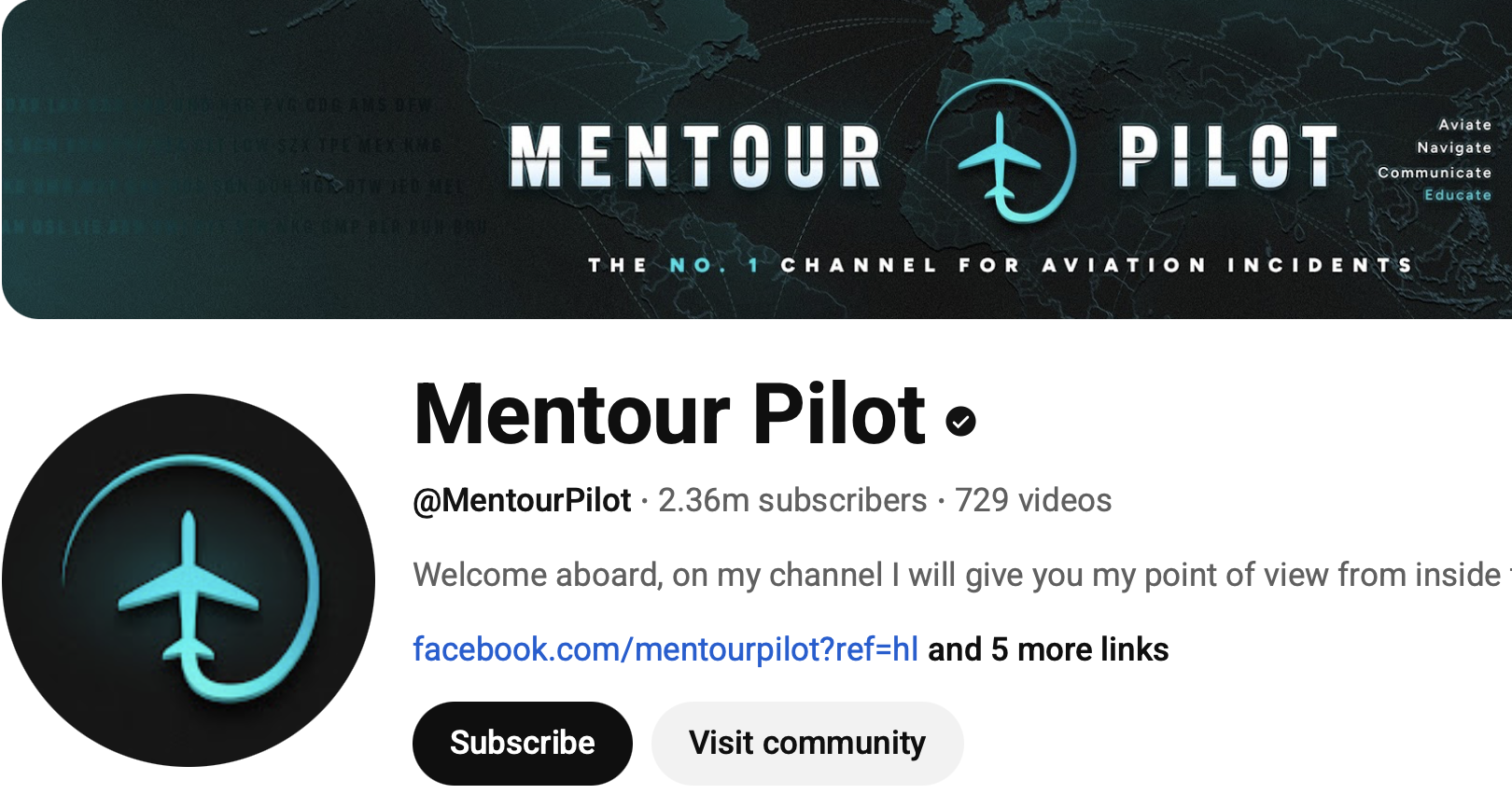
Mentour Pilot is a widely followed aviation YouTube channel that explains aircraft operations, industry procedures, accident/incident histories, and pilot life from an insider perspective. It is a rich source of case studies for CRM training because many episodes analyse real incidents where communication breakdowns, decision-making errors, situational awareness lapses, or teamwork dynamics played key roles.

HELINOTS behavioural marker system

HeliNOTS (Helicopter Non-technical Skills) is a series of behavioural marker systems, developed by the Applied Psychology and Human Factors Group of the University of Aberdeen. There are three HeliNOTS systems, the first two focusing exclusively on pilots: HeliNOTS (O) defining the core non-technical skills and behavioural markers for offshore transport pilots, and HeliNOTS (S) defining the core non-technical skills and behavioural markers of search and rescue pilots. The third, HeliNOTS (SAR) is a crew-based system for both technical  and flight crew training and assessment.

Guidance on the requirements for the training and assessment of Human Factors for Flight Crew

Standards Document 29 is the principal guidance on the requirements for the training and assessment of Human Factors (HF) and Crew Resource Management (CRM) for flight crew under UK Part FCL and consolidates regulatory expectations, training standards, and assessment principles to ensure that CRM/HF training is consistently designed, delivered and evaluated in a way that supports safe flight operations.  

Crew Resource Management

Crew Resource Management (2nd Edition) is widely regarded as the definitive reference text on CRM training and practice in aviation. Edited by some of the original pioneers in CRM research, this comprehensive volume synthesises decades of empirical evidence, theoretical insight, and real-world applications to offer both depth and breadth on the subject.

Reflection of Crew Resource Management (CRM) Trainings to Real-Life Field Practice in Air Passenger Transportation: A Qualitative Research 

This study explores how CRM training translates into real operational practice from the perspective of cabin crew members in commercial air passenger transport. Findings indicate that CRM training positively influences situational awareness, communication, teamwork, stress and workload management, and proactive safety behaviors, suggesting that core non-technical skills are indeed carried over into the field

Skip to toolbar