
Understanding attention: Donald Broadbent and the Cocktail Party Effect

This BBC Mind Changers podcast explores the pioneering work of Donald Broadbent in the study of work design and the role of attention in safety-critical work. Broadbent was the author of the 1958 book Perception and Communication rated the single most influential book in cognitive psychology. He was the first person to apply the computer-inspired information processing model taught in CRM training today, to the study of attention.

This podcast introduces and explains some of Broadbent’s most important work, and includes a dichotic listening experiment for you to try…

Thoughts on training fidelity

The experts in cognitive skills training from ShadowBox Training bring this you this essay on the importance of training design over fidelity. They conclude that for teaching and learning cognitive skills the best approach for simulation is relatively high cognitive fidelity and the lowest necessary (rather than the highest possible) physical fidelity. There are important lessons here for how we should think about training design in aviation, particularly in the area of non-technical skills training (in and outside of full flight simulators) and CRM training.

Enhancing Flight Deck Resilience

Airline pilot and human factors research scientist Dr Kimberly Perkins shares her latest work, “Enhancing Flight Deck Resilience and Optimizing Risk Mitigation: A Sociotechnical Approach.” This paper explores the flight deck as a sociotechnical system, emphasising the critical role of the cognitive, affective, communicative, and collaborative activities pilots use to manage information, coordinate with their crew, and make informed decisions.

What’s the relationship between workload and situation awareness?

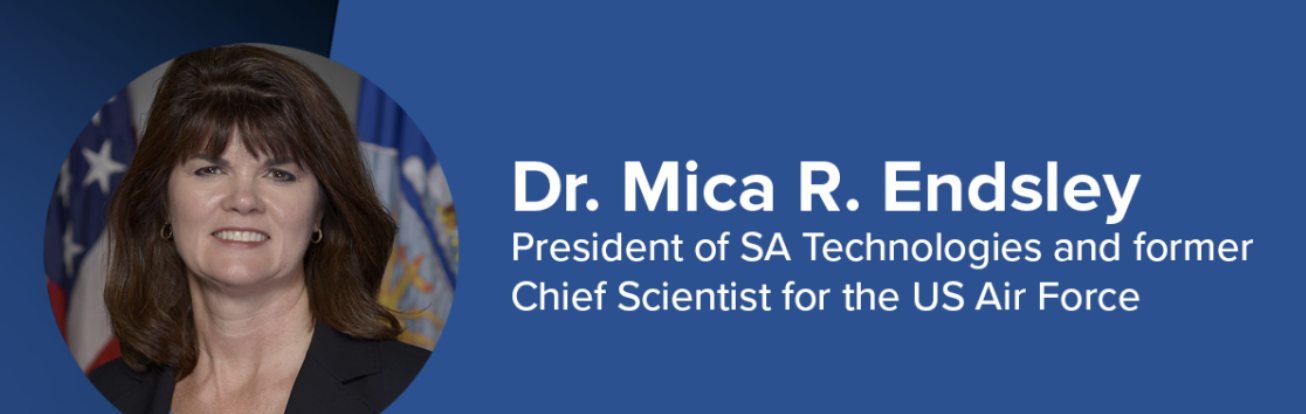
The scientist and theorist behind the theory of situation awareness, Mica Endsley recently shared new research on the links between situation awareness and workload.

Situation awareness and workload have both received considerable attention over the past several decades. This study investigated the relationship between these two constructs, finding that SA decreases as workload increases. This is not always the case however…

Here’s a Better Idea: Avoid the Fistfight (with the autoflight) in the First Place

Author of this opinion piece from AINOnline, Chris Lutat, shares than when writing the (book) Automation Airmanship: Nine Principles for Operating Glass Cockpit Aircraft, it was decided that the focus would not be on the mistakes that crews had made in the last 30 years and the accidents that have resulted, but instead, the spotlight would be turned on what the very best crews in the profession do to avoid these large system failures at all.

What Happened to Crew Resource Management?

This article by Shannon Forrest published by the Flight Safety Foundation in 2018 espouses the author’s view that the standing of CRM training, its perceived standards and credibility, has declined over the past decade. It was written before the COVID-induced explosion of video-conference style training introduced another blow to face-to-face team training, and there is still plenty in this critique that can be unpacked over 5 years later.

Shorrock’s Law of Limits

Shorrock’s law of limits states that, “When you put a limit on a measure, if that measure relates to efficiency, the limit will be used as a target.” It was first articulated by Steven Shorrock with reference to the dynamics of Flight Time Limitations (FTL) in aviation. How many other procedural and regulatory limits within your flying activity can you think of where this law could be said to apply?

Skip to toolbar