This comprehensive guide for designing, implementing, and evaluating CRM training programmes takes an honest look at the efficacy to date of CRM training and implementation including some of the problems it suffers. Despite being a little dated (2006) not so much has changed that it not is still useful and relevant for those involved with training design and instruction.
This article links key studies in the field of automation in aviation to high profile automation related aircraft accidents in recent years, and asks what the lessons mean for future developments of automation and AI in the cockpit.
For those new to the field who don’t really know what human factors and CRM in aviation is all about. This is a great place to start. A presentation is from a workshop on human factors in aviation and aerospace held at the 2020 Space Apps – Waterloo Hackathon by Dr Kearns offers a good general overview of human factors.
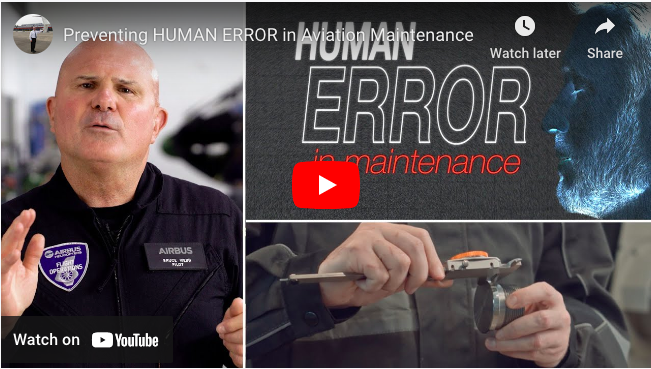
A short safety video by Bruce Webb, former Chief Pilot for Airbus Helicopters in the United States and safety advocate. This video focuses on the helicopter sector and looks at “human error” this time not as a pilot issue but from a maintenance perspective. In this video, Bruce breaks down how to mitigate for human error in maintenance.
Here’s one for the helicopter community. An introduction to the principles of threat and error management with a particular focus on how it affects rotary wing operations.
In helicopter operations, the TEM model is particularly valuable due to the unique challenges and operational complexities involved. Helicopter pilots often face varied and dynamic environments, such as adverse weather conditions, confined landing zones, and low-altitude operations. The TEM model helps pilots anticipate, detect and manage threats, errors and Undesired Aircraft States (UAS, and keep margins of safety.
The Aerospace Safety Timeline tool is an impactful way of visualising data and describes the history of innovation and development in aerospace.
It features significant aerospace events, accidents, investigations, innovations, and regulatory decisions that have shaped aerospace history, allowing you to view images, videos, and other details of significant events during your aerospace safety exploration.
Here’s your quick and handy link to that Human Factors in aviation reference bible the UK CAA’s CAP737. You’re welcome!
Here’s the latest (2024) edition of the IATA guidance material for CBTA. The manual emphasises what competency assessment is and how to conduct pilot performance assessment for instructors, incorporating best practice for the method and assessment processes.
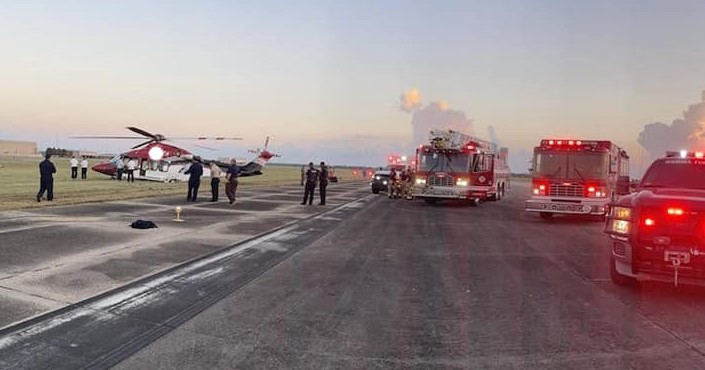
On 24 September 2022, a Leonardo AW139 of ERA Helicopters, was involved in a dramatic accident near Houma, Louisiana from which the two pilots and four passengers emerged uninjured. It was an outstanding example of how when faced with a complex and ambiguous emergency effective CRM can make the difference.
Faced with smoke in the cockpit, seized flight controls, and engines that would only output maximum power, the crew managed to work together to get the crippled aircraft back to the field by cycling the engines from flight to idle, and then achieved an engines off landing to the runway.
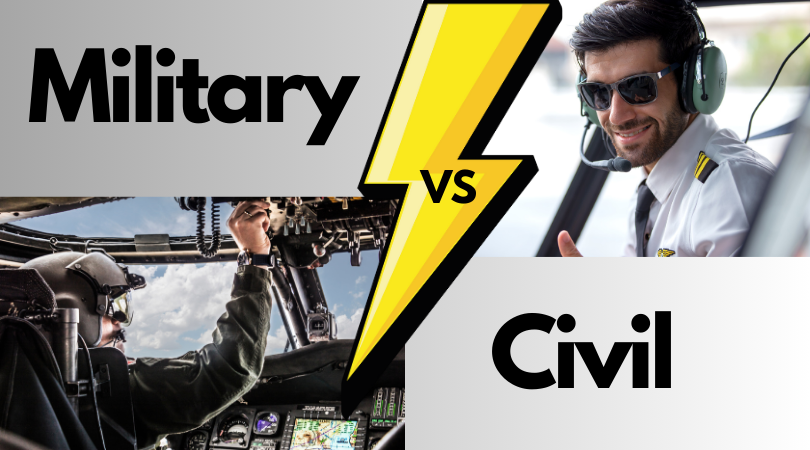
Until recently, there has been a lack of up-to-date empirical research exploring the impact of professional culture in aircrew. Now a recent study of helicopter pilots from the University of Aberdeen with the title “Does training background affect safety in helicopter pilots?” (Kaminska et al., 20231), suggests that we need to pay more attention to how the military-civil divide impacts CRM behaviours amongst mixed crews. What do the cultural differences embedded in the different ways these pilots have been trained mean to competency, operational effectiveness, and – ultimately – safety?