This article by John Schmitt from Shadowboxtraining.com introduces a brief summary of two different paradigms in decision making theory – rational choice vs recognition primed decisions. It goes on to discuss how we should train decision-making in real world domains based on the recognition primed decision making theory.
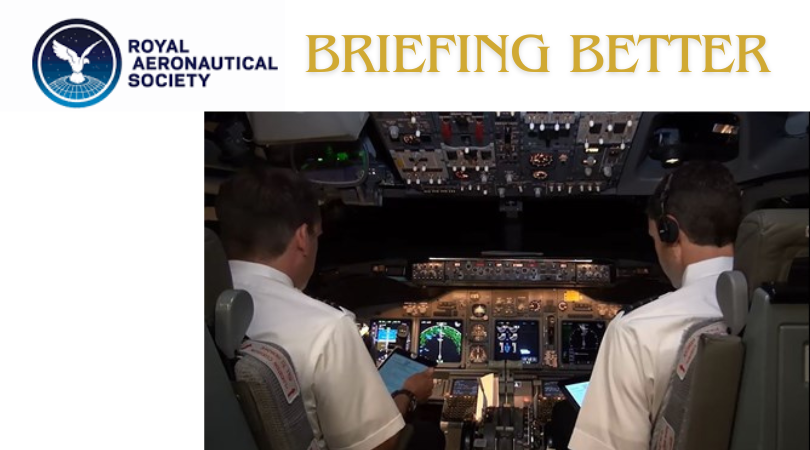
Are lengthy, outdated flight deck briefings really contributing to aviation safety? This article by Captains Rich Loudon and David Moriarty from the Royal Aeronautical society Human Factors Group argues that we need to rethink the way we brief operationally and looks at the specifics of what makes a good cockpit brief and why.
Language proficiency does not automatically mean communicative proficiency.
Effective communication in aviation is not merely a convenience, it is a fundamental facilitator of safety, regulatory compliance and efficiency.
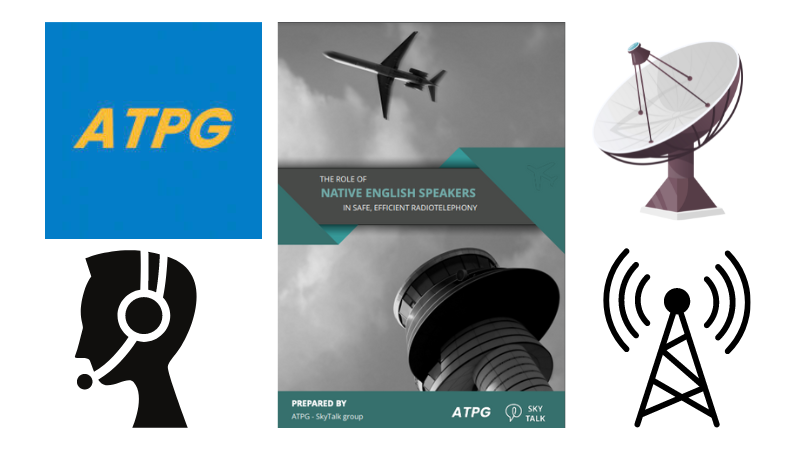
This White Paper from the Aircrew Training Policy Group (ATPG) titled The role of native English speakers in safe, efficient radiotelephony focuses on the roles and responsibilities of native English speakers in aviation communications.
In this article, a simple description is given of the SMCR (Sender, Message, Channel, Receiver) is given. For CRM trainers, it can use as a useful starting point for a case discussion on the topic of communication.
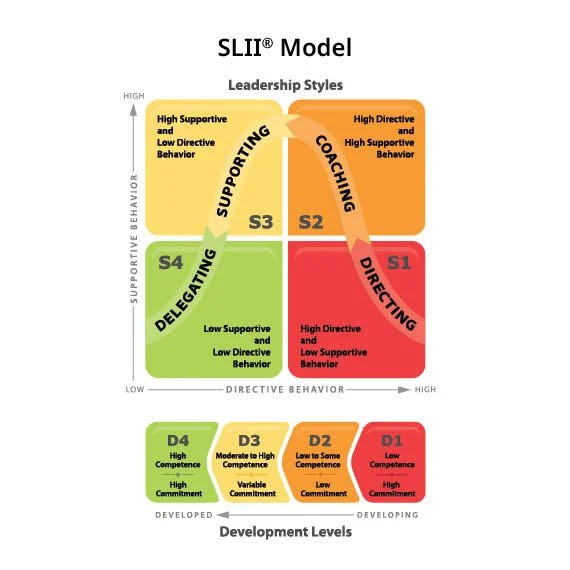
This useful summary explains the situational leadership model. Although aimed at (business) management, it is a useful model in the cockpit too. A useful group activity is having trainees fill in the four quadrants with examples of behaviour, related to a specific task, for example a raw data approach as PM as a captain or […]
Toolshero explains Ofman’s core quadrant model, a useful tool for communication and behavior.
The Australian Civil Aviation Safety Authority has put together this Human Factors workbook for pilots, an interesting series of PDF booklets and accompanying videos covering topics such as Safety Culture, Human Performance, Decision Making, TEM and more. It also includes a workbook. Well worth a look, click on the link below.
In this paper, Helmreich et al. discuss EMCRM: error management CRM (5th generation CRM).
In this seminal paper, Salas et al discuss the state of CRM.
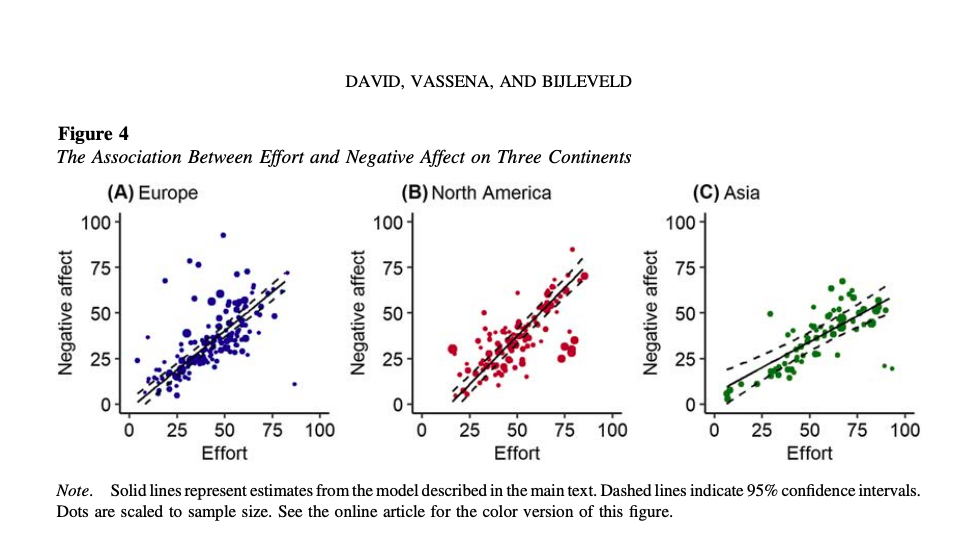
This meta-analysis study notes that although many influential theories in psychology, neuroscience, and economics assume that the exertion of mental effort should feel aversive, this assumption is usually untested, and it is challenged by casual observations and previous studies.
In a review of 170 studies that used the NASA Task Load Index to examine participantsโ experiences of effort and negative affect this paper found a strong positive association between mental effort and negative affect.
In aviation this concept might be familiar to us through Daniel Kahneman’s theory of System 1 and System 2 thinking and how we avoid mental effort in the decision-making process. Kahneman argued:
โ๐๐ฉ๐ช๐ฏ๐ฌ๐ช๐ฏ๐จ ๐ช๐ด ๐ต๐ฐ ๐ฉ๐ถ๐ฎ๐ข๐ฏ๐ด ๐ข๐ด ๐ด๐ธ๐ช๐ฎ๐ฎ๐ช๐ฏ๐จ ๐ช๐ด ๐ต๐ฐ ๐ค๐ข๐ต๐ด. ๐๐ฉ๐ฆ๐บ ๐ค๐ข๐ฏ ๐ฅ๐ฐ ๐ช๐ต, ๐ฃ๐ถ๐ต ๐ต๐ฉ๐ฆ๐บโ๐ฅ ๐ฑ๐ณ๐ฆ๐ง๐ฆ๐ณ ๐ฏ๐ฐ๐ต ๐ต๐ฐ.โ