A classic in cultural difference literature is the work by Geert Hofstede: his 6 cultural dimensions( Power Distance, Uncertainty Avoidance, Individualism/Collectivism, Masculinity/Femininity, Long/Short Term Orientation, and Indulgence/Restraint)
This comprehensive guide for designing, implementing, and evaluating CRM training programmes takes an honest look at the efficacy to date of CRM training and implementation including some of the problems it suffers. Despite being a little dated (2006) not so much has changed that it not is still useful and relevant for those involved with training design and instruction.
This article links key studies in the field of automation in aviation to high profile automation related aircraft accidents in recent years, and asks what the lessons mean for future developments of automation and AI in the cockpit.
For those new to the field who don’t really know what human factors and CRM in aviation is all about. This is a great place to start. A presentation is from a workshop on human factors in aviation and aerospace held at the 2020 Space Apps – Waterloo Hackathon by Dr Kearns offers a good general overview of human factors.
Your thoughts are the enemy not a setback itself! Konstantinos Pechlivanos offers up some 13 tips on how to build your resilience and points out the importance of avoiding the thinking traps that can kidnap your self-belief.
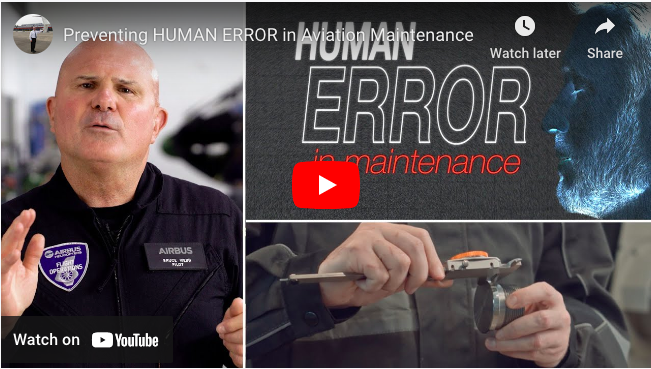
A short safety video by Bruce Webb, former Chief Pilot for Airbus Helicopters in the United States and safety advocate. This video focuses on the helicopter sector and looks at “human error” this time not as a pilot issue but from a maintenance perspective. In this video, Bruce breaks down how to mitigate for human error in maintenance.
The Personnel Training and Licensing Panel: Automation Study Report (Nov 2023) by the International Civil Aviation Organization (ICAO) addresses automation dependency in commercial air transport operations, focusing on pilots in fixed-wing aircraft. The report is a result of an extensive study that examines the growing reliance on automated systems and the implications for manual flight skills, pilot monitoring, and aviation safety. We summarise the key components here and link you to the full report.
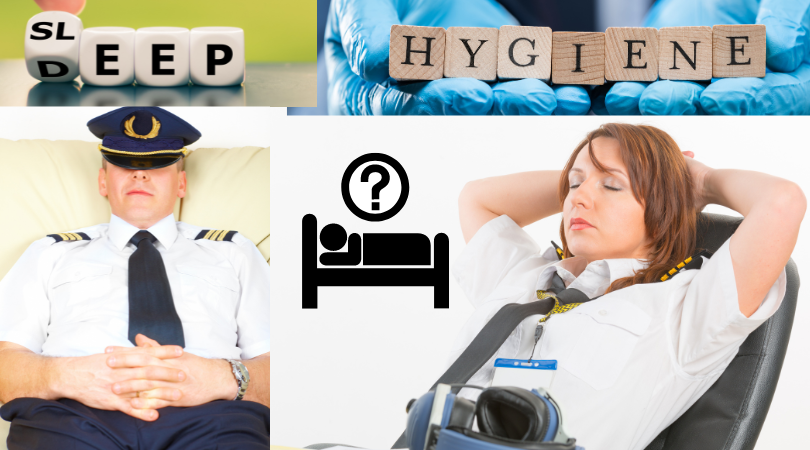
Sleep matters. And quality is what matters most. A set of practices and habits, called sleep hygiene, are essential to having good nighttime sleep quality and full daytime alertness. Konstantinos Pechlivanos lays out 15 tips for pilots to help to maintain their sleep quality. Check out the comprehensive list of references for further info on sleep.
Here’s one for the helicopter community. An introduction to the principles of threat and error management with a particular focus on how it affects rotary wing operations.
In helicopter operations, the TEM model is particularly valuable due to the unique challenges and operational complexities involved. Helicopter pilots often face varied and dynamic environments, such as adverse weather conditions, confined landing zones, and low-altitude operations. The TEM model helps pilots anticipate, detect and manage threats, errors and Undesired Aircraft States (UAS, and keep margins of safety.

The Aerospace Safety Timeline tool is an impactful way of visualising data and describes the history of innovation and development in aerospace.
It features significant aerospace events, accidents, investigations, innovations, and regulatory decisions that have shaped aerospace history, allowing you to view images, videos, and other details of significant events during your aerospace safety exploration.