The Five-Factor Model (FFM), or Big 5 personality traits, is the most widely accepted framework for understanding human personality.
 Written by Daan

crm by topic
The Five-Factor Model (FFM), or Big 5 personality traits, is the most widely accepted framework for understanding human personality.
Written by Daan
The document, The Science of Teamwork: Progress, Reflections, and the Road Ahead, by Eduardo Salas and colleagues, reflects on nearly a century of research on teams. It highlights 10 key insights.
Written by Daan
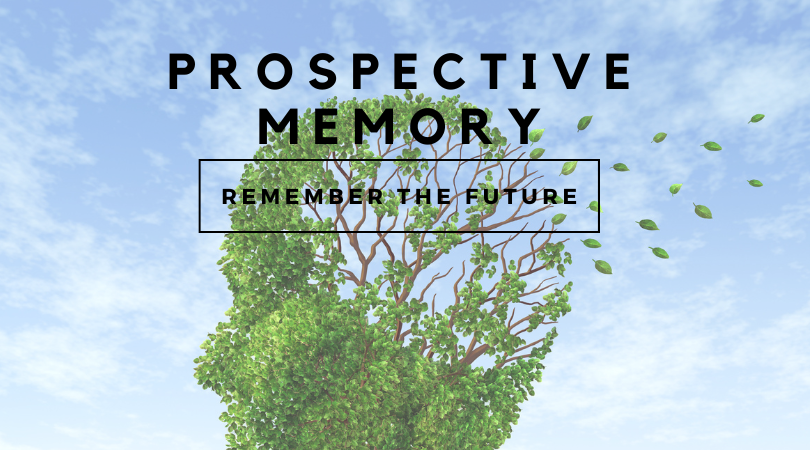
As pilots, we often have to postpone things until later. There isn’t always a checklist to catch us. How to deal with that? This article that explains what prospective memory is all about.
Written by Daan
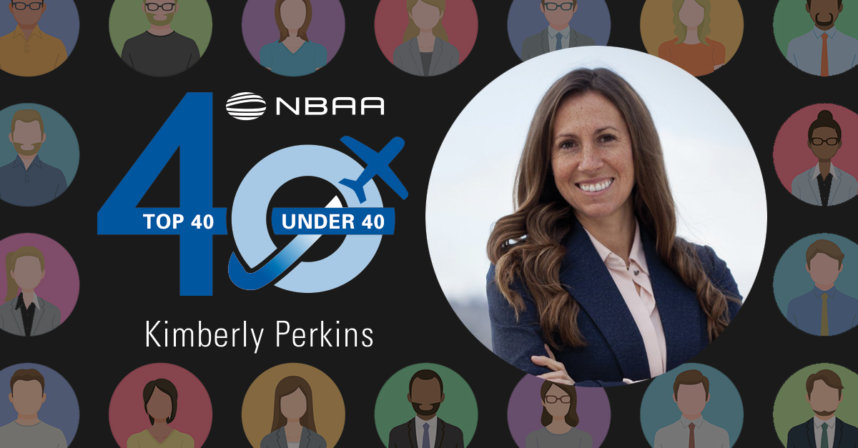
Psychological safety and interpersonal skills by Kimberly Perkins, focussed on pilots.
Written by Daan
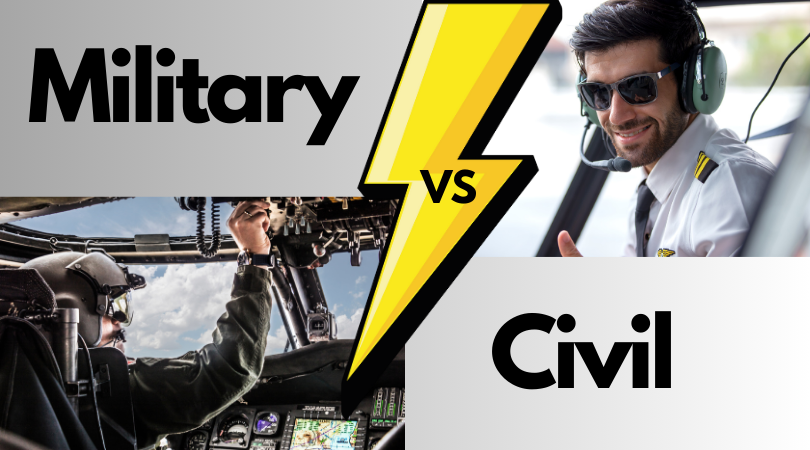
Until recently, there has been a lack of up-to-date empirical research exploring the impact of professional culture in aircrew. Now a recent study of helicopter pilots from the University of Aberdeen with the title “Does training background affect safety in helicopter pilots?” (Kaminska et al., 20231), suggests that we need to pay more attention to how the military-civil divide impacts CRM behaviours amongst mixed crews. What do the cultural differences embedded in the different ways these pilots have been trained mean to competency, operational effectiveness, and – ultimately – safety?
 Written by K-HUB
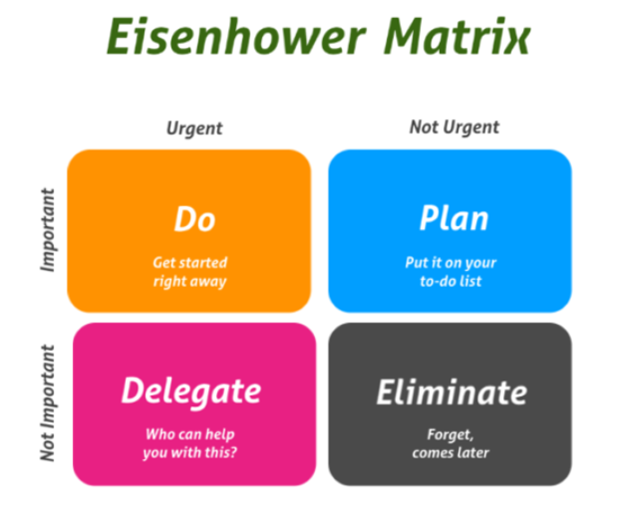
The Eisenhower Matrix (setting priorities)
Written by Daan
A great overview of the topic by the FlightSafety Foundation in their Approach and Landing Accident Reduction (ALAR) series.
Written by Daan
In this article Mizzi and McCarthy from Griffith university take a look at flight crew briefings and explain how to incorporate TEM and improve resilience.
Written by Daan
In the article below, details of an operational evaluation of a startle management method are shared. The method is similar to that described in the EASA/NLR report.
Written by Daan
In this article, originally published in Harvard Business Review, Gary Klein explains his pre-mortem method himself. It’s a useful tool for employing critical thinking to make a risk assessment before taking a decision. It starts with the assumption that things went wrong, and then the team (crew) generates plausible reasons.
Written by Daan