
 Written by
 A good night’s sleep
Source: K.Pechlivanos on the CRM K-HUB
“Did you have a good night’s sleep?” – a question that does indeed have a deeper meaning than you might tend to believe. Amongst other things, a pilot, often, has to deal with really early or late check-ins, long-haul flights, and layovers in different places and hotels. Although duty times are strictly regulated, controlled rest is always an option, and relief crews are onboard. Nonetheless, it is imperative to make out the most of our free time in between, to rest and keep a balanced social life. Otherwise, one could easily end up fatigued, which constitutes a contributing factor to many aviation incidents and accidents.
Need for sleep
“Sleeping is no mean art: for its sake, one must stay awake all day.” – Friedrich Nietzsche
Even though I am a keen reader of Friedrich, I have to strongly disagree with him based on scientific research. Sleep is a kind of hibernation mode for us, giving us the necessary time for our body to recover. Lots of magical neuro-biological stuff is happening but let’s, simplistically, think about it like charging our mobile; who doesn’t feel a bit insecure with a half-full charged one?
Time required may differ, mainly relative to a person’s age but regard an average of 8 hours for an adult as a reference point. Everybody needs those; no exceptions!
There is a natural, internal system that’s designed to regulate feelings of sleepiness and wakefulness over 24 hours called Circadian Rhythm. This complex timekeeper is controlled by an area of the brain that responds to light, which is why humans are most alert while the sun is shining and are ready to sleep when it’s dark outside. Your circadian rhythm causes your level of wakefulness to rise and dip throughout the day.
Lack of sleep
The modern way of life might easily get most of us to follow a frenetic pace to keep up. Sleep is the most common thing to sacrifice to make time for some working hours. Those accumulative hours of no sleep, eventually, will drain your battery. Lack of sleep is related to performance deterioration, limited brain function, obesity, lower sex drive, and increased disease risks such as diabetes, strokes, depression, and heart-related ones.
Sleep deprivation is a hideous but very effective torture tool, why someone force insidiously himself in that state?
Benefits of Sleep
“Night is the wonderful opportunity to take rest, to forgive, to smile, to get ready for all the battles that you have to fight tomorrow.” – Allen Ginsberg
On the other hand, proper rest results in mental health, better physical performance, increased productivity, enhanced safety, and better metabolism.
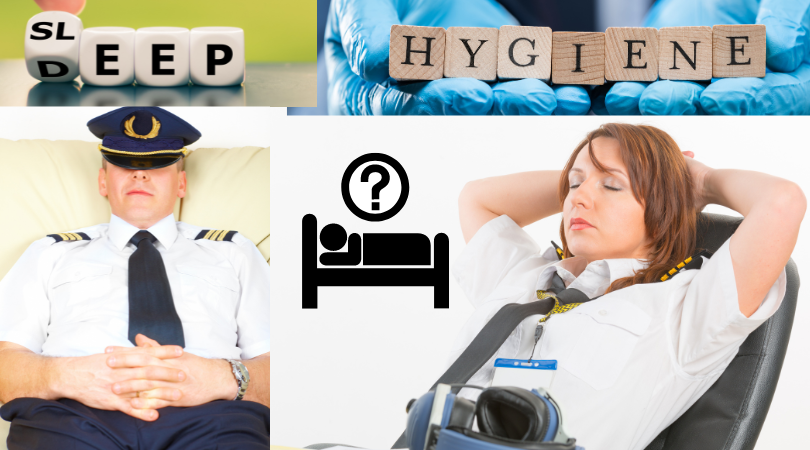
Yet, quality is what matters most. A set of practices and habits, called sleep hygiene, are essential to having good nighttime sleep quality and full daytime alertness.
15 Tips for quality nighttime sleep
- Stick to regular sleep patterns. If you follow your body’s natural cues regarding when to go to sleep and wake up, your circadian rhythm should stay balanced, but working long hours or extended sleep only on Sundays, changes your schedule and disrupts your body clock. Many apps could help you establish one in the beginning.
- Take a short nap during the day. Naps have been proven beneficial but should be less than 30’ to avoid getting in deep sleep; more than this could disrupt your night sleep.
- Expose yourself to sunlight or at least artificial bright light; this way helps your body keep the circadian rhythm synced. You do have a great excuse for the next time you book holidays on a Greek island.
- Get some physical exercise daily. Moderate cardio is optimal but not too close to your bedtime, as it might have the opposite effects.
- Keep yourself well hydrated but reduce liquid consumption 1-2 hours before going to bed; Nocturia could disrupt your sleep cycle.
- Don’t eat heavy and/or large meals a couple of hours before getting to bed. Otherwise, you will keep your body busy at night trying to metabolize and I am pretty sure that you already had this unpleasant experience, so far. Take a light snack instead.
- Avoid stimulants like caffeine, tea, energy drinks, and nicotine; prefer warm milk or herbal tea instead.
- Avoid Alcohol. You will fall asleep for sure faster but it will decrease melatonin production.
- Reduce stress; That’s a no-brainer!
- Make yourself comfortable. Quality beds, mattresses, and pillows might be the best investment of your life. Keep your bedroom at a temperature of about 20°C (70°F), use ear plugs, take your pet out, and use dark shades/ curtains or eye shades. There is a “sleep hormone” called melatonin but it doesn’t go well along blue wavelength light, broadly emitted by your favorite electronic devices. Believe it or not, even this tiny little LED of your TV in your bedroom can mess up your life.
- Wind down. Before bedtime turn on the sleep mode by having a warm (not hot!) bath, practicing some yoga, meditating, reading a book, or listening to some music. Avoid at any cost smartphones/TVs/Tablets etc.
- Take a natural supplement like Valerian, Magnesium, or Lavender.
- Write down your worries for the next day before getting to bed so as not to think about them while trying to fall asleep.
- Get out of bed in case you cannot fall asleep (after 20’); trying to, will only stress you out. Go read a book till feel sleepy again.
- Keep a sleep diary to have a record of your cycles and find out if something is wrong. Don’t hesitate to address a specialist.
References: