
The team at FlyDubai offer us a podcast that explores Human Factors in aviation. For anyone interested in how Human Factors and aviation come together, and what the key areas are that we focus on, season one lays out all the basics. This episode looks at one of the building blocks of CRM – how we process information.
This podcast episode welcomes Nicholas Dahlstrom, Human Factors Manager at Emirates Airline. A prominent figure in Aviation Safety Training and Crew Resource Management, the discussion revolves around the current state and future of CRM, especially from the lens of Emirates Airlines where he has brought about significant change. His insights prove invaluable for anyone intrigued by aviation safety, human factors, CRM, and the delicate task of merging traditional knowledge with innovative methods. Plug in as Dr. Dahlstrom illustrates the power of CRM in enhancing safety and boosting efficiency. A must-listen for all safety professionals!
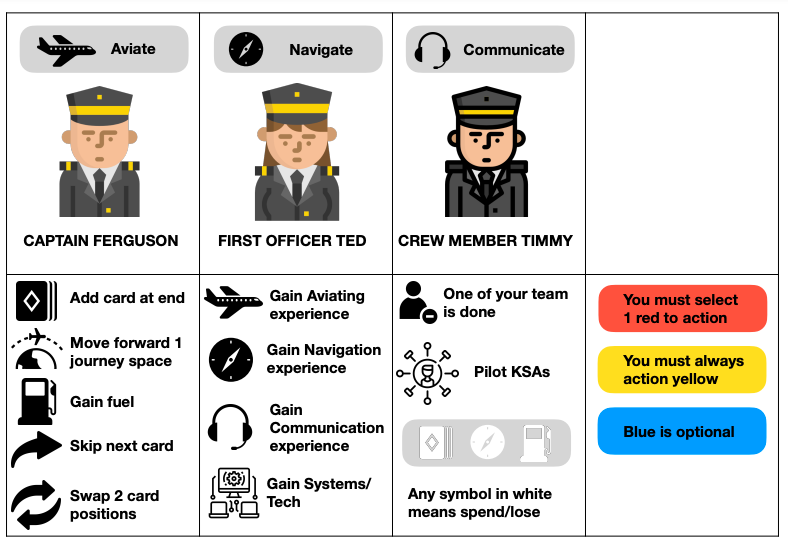
A card game you can download and print out TO HELP DEVELOP PILOT prioritisation and decision making skills. STRATEGY AND LUCK BASED, LEAD YOUR AIR CREW THROUGH A SERIES OF EVENTS ON EACH SECTOR to TRY TO GET THE AIRPLANE SAFELY THROUGH THE OPERATION.
This Briefing Note from the Flight Safety Foundation discusses the causes and consequences of interruptions and distractions and describes techniques for reducing and dealing with them. The focus in this material is on practical actions for both individual flight crew members and their companies.
This episode of the Safety at Work podcast
explores the complex world of risk perception and decision-making, by examining the foundational work of Paul Slovic, whose groundbreaking research has significantly shaped our understanding of how humans evaluate risk. Through the lens of Slovic’s influential 2004 paper “Risk as Analysis and Risk as Feelings,” the team uncover the intricate interplay between analytical reasoning and emotional intuition in safety management.
In this scientific paper, leading Human Factors scientist Paul Salmon reviews the relevance of the term human error and asks whether it still a useful concept in practice. Has it become misleading, inappropriate, or even dangerous? The authors offer a set of recommendations on ‘error management’ based on their conclusions.
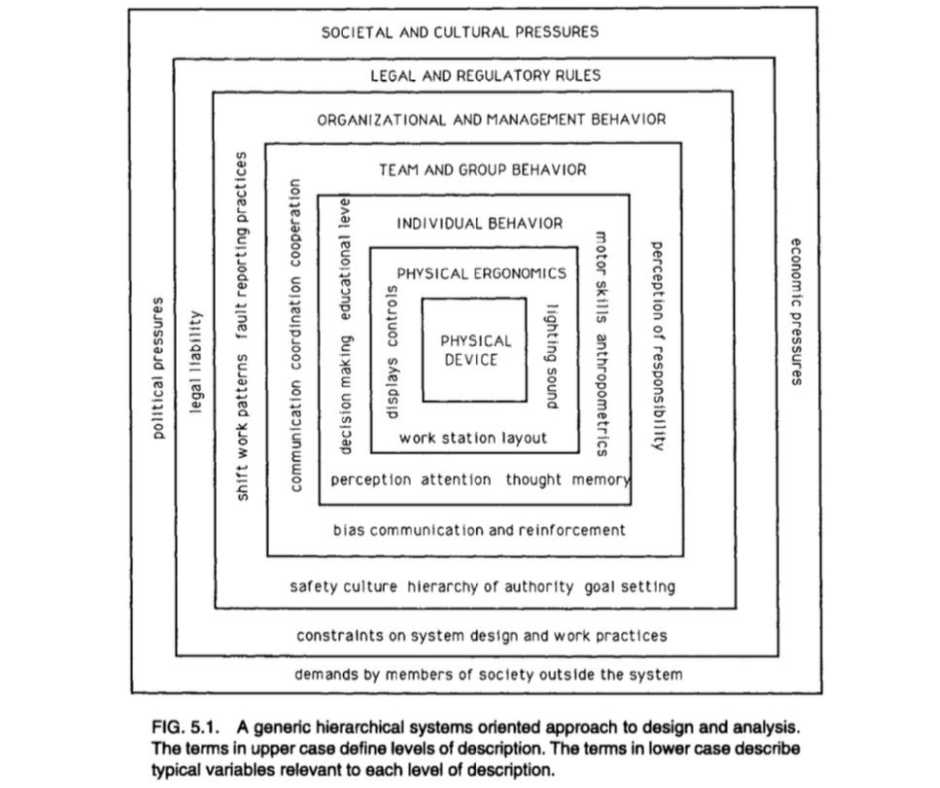
Neville Moray, professor in cognitive psychology, applied psychology and ergonomics developed this model of concentric layers, each representing a different level of description of human-machine systems interaction. It ranges from the specifics of the machine to the most broad and encompassing influences on human-machine systems.
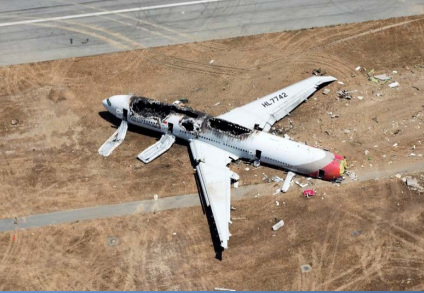
This accident has become a popular favourite as a case study on the main theme of automation, but there are a host of other human factors in including culture, crashworthiness, survivability and emergency response that make it a good choice for an in depth case study. There is plenty of material out there for trainers and interested parties as well as the thorough final report from the NTSB. We link you to some key resources below…
What is cultural competency?Just mentioning the word culture seems often to be met with a glazing over of eyes. I learned that discussing ‘cultural capability’ in the military was unfashionable, uncool, and frankly unmilitary: making the case for so called ‘soft’ skills doesn’t sit well with the hard and pointy image of waging warfare. I have a sense that the same is true in the world of aviation, which is ironic given the uniquely international nature of the industry. Defining culture Culture is like a river: its characteristics are constantly changing. Some quickly and some more slowly.
This seminal study by Dismukes and Berman (2010) from NASA looks at the role of checklists and monitoring as two essential defences against equipment failures and pilot errors. Problems with checklist use and pilots’ failures to monitor adequately have a long history in aviation accidents. A short summary of the key recommendations is given here.