This award-winning paper examined details from over 2000 incident reports from commercial airlines. The premise of the paper is that we could be doing more to learn from the incidents we are (and aren’t) reporting on! In a short summary we look at some of the key lessons from the paper.
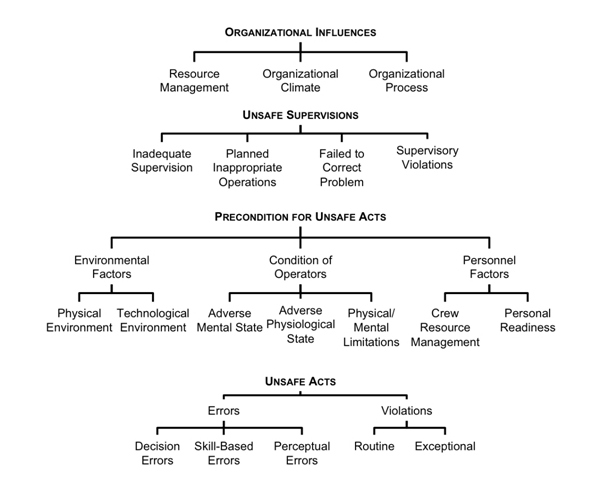
This summary of the HFACS from Skybrary introduces the reader to the basic principles of one of the most well-known and widely used human factors tools in aviation and accident investigation.The Human Factors Analysis and Classification System (HFACS) was developed by Dr Scott Shappell and Dr Doug Wiegmann and is heavily based upon James Reason’s Swiss cheese model. The HFACS framework provides a tool to assist in the investigation process and target training and prevention efforts.
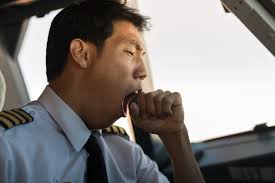
Sleep inertia is the period of impaired performance and grogginess experienced after waking. This period of impairment is of concern to workers who are on-call, or nap during work hours, and need to perform safety-critical tasks soon after waking. While several studies have investigated the best sleep timing and length to minimise sleep inertia effects, few have focused on countermeasures -especially those that can be implemented after waking (i.e. reactive countermeasures). This structured review summarises current literature on reactive countermeasures to sleep inertia such as caffeine, light, and temperature and discusses evidence for the effectiveness and operational viability of each approach.

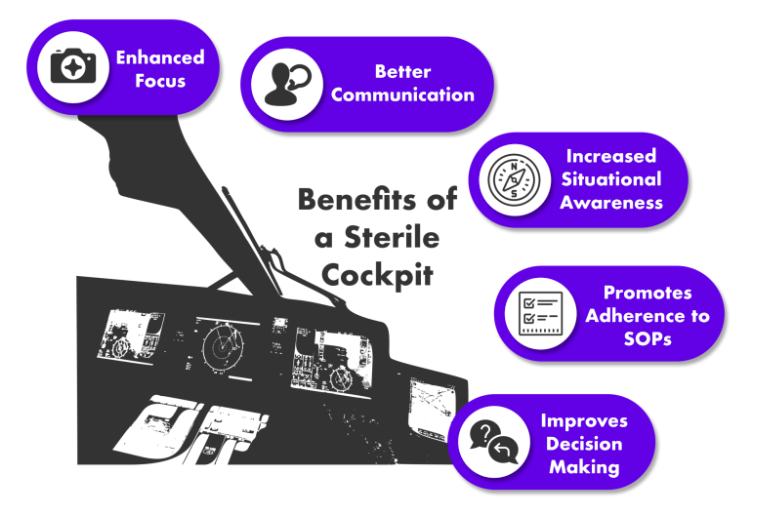
Having a sterile cockpit rule isn’t just about quieting down the cockpit: It’s about enhancing focus and ensuring safety during critical flight phases. It aims to reduce distractions and maintain clear, relevant communication when it really matters. The team at Pilotswhoaskwhy examine the sterile cockpit concept.
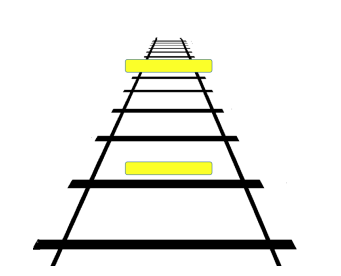
The essence of the perceptual process is that it combines existing knowledge
with incoming stimuli and the current situation, in order to create meaning
from what is being sensed. In other words the brain takes a very quick ‘best
guess’ as to what the stimuli represent based on what it has learned about
previous stimuli in similar conditions.
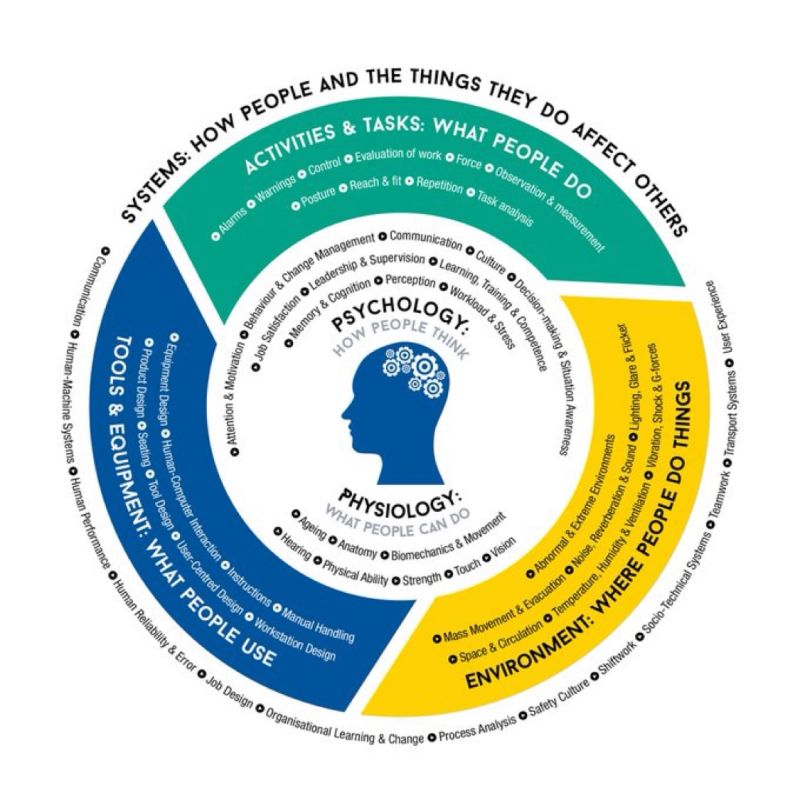
This series of blog posts by Dr Steven Shorrock explains different ‘kinds’ of human factors, as understood both within and outside the discipline and profession of human factors and ergonomics itself.
Dr Steven Shorrock, a Chartered Ergonomist and Human Factors Specialist with the CIEHF and a Chartered Psychologist with the British Psychological Society currently works as a human factors and safety specialist in European aviation. Here, Shorrock discusses how the concept of Just Culture fits with the updated perspectives of Safety II in error management. Source: […]
This infographic about Human Factors and Ergonomics from the UK Chartered Institute of Ergonomics and Human Factors (2018) helps to explore different kinds of Human Factors.
An episode of Bruce Webb’s (Airbus) Push to Talk podcast series aviation psychologist Eleonora Avi joins him to discuss how and why she got into the field. Source: Push to Talk with Bruce Webb Eleonora is an aviation psychologist based in Italy. The same year she earned her degree in psychology, her mother was rescued […]
Source: Chartered Institute for Ergonomics and Human Factors This white paper from the Chartered Institute of Ergonomics and Human Factors explores human factors in incident prevention and management. Find out how organisations can gain a human factors perspective to investigating and learning from adverse events. Learn the key principles organisations can apply to capture the […]