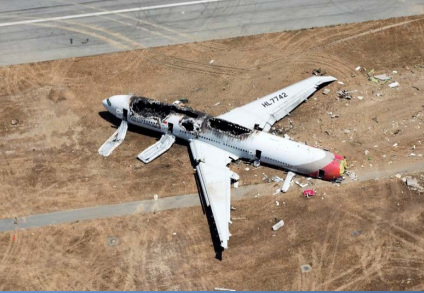
Case study: Asiana B777 Accident at San Francisco, 6 July 2013

This accident has become a popular favourite as a case study on the main theme of automation, but there are a host of other human factors in including culture, crashworthiness, survivability and emergency response that make it a good choice for an in depth case study. There is plenty of material out there for trainers and interested parties as well as the thorough final report from the NTSB. We link you to some key resources below…

Navigating cross-cultural turbulence: Why the multi-national complexion of aviation demands we should all add culture to our competencies.

What is cultural competency?Just mentioning the word culture seems often to be met with a glazing over of eyes. I learned that discussing ‘cultural capability’ in the military was unfashionable, uncool, and frankly unmilitary: making the case for so called ‘soft’ skills doesn’t sit well with the hard and pointy image of waging warfare. I have a sense that the same is true in the world of aviation, which is ironic given the uniquely international nature of the industry. Defining culture Culture is like a river: its characteristics are constantly changing. Some quickly and some more slowly.

ZOOM! A Sequencing Group Activity

Zoom! by Istvan Banyai is a wordless picture book which presents a series of images of a scene, each one from progressively farther away, showing, for example, a boat which becomes the image on a magazine, which is held in a hand, which belongs to a boy, and so on. The aim of this team activity is to get the team to piece together the images in the correct order by deducing the theme of a series of frames zooming continuously out.

NASA ASRS Accident Database

We link you here to the the ASRS Database Online, the world’s largest repository of voluntary, confidential safety information provided by aviation’s frontline personnel, including pilots, controllers, mechanics, flight attendants, and dispatchers. The database provides a foundation for specific products and subsequent research addressing a variety of aviation safety issues. 

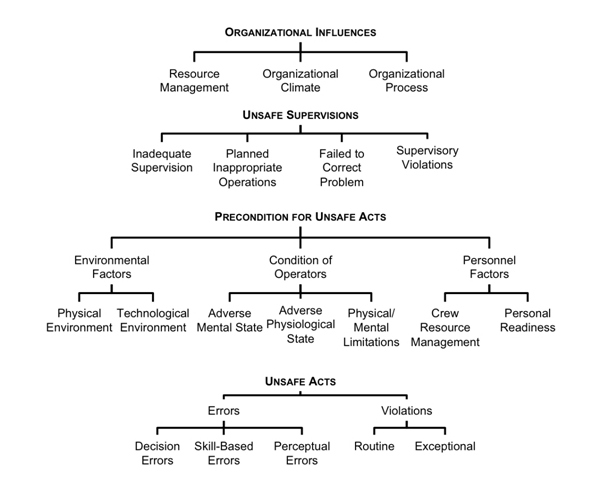
Intro to the Human Factors Analysis and Classification System (HFACS)

This summary of the HFACS from Skybrary introduces the reader to the basic principles of one of the most well-known and widely used human factors tools in aviation and accident investigation.The Human Factors Analysis and Classification System (HFACS) was developed by Dr Scott Shappell and Dr Doug Wiegmann and is heavily based upon James Reason’s Swiss cheese model. The HFACS framework provides a tool to assist in the investigation process and target training and prevention efforts.

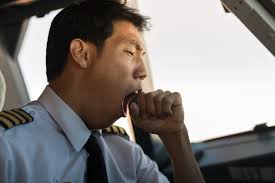
Time to wake up: reactive countermeasures to sleep inertia

Sleep inertia is the period of impaired performance and grogginess experienced after waking. This period of impairment is of concern to workers who are on-call, or nap during work hours, and need to perform safety-critical tasks soon after waking. While several studies have investigated the best sleep timing and length to minimise sleep inertia effects, few have focused on countermeasures -especially those that can be implemented after waking (i.e. reactive countermeasures). This structured review summarises current literature on reactive countermeasures to sleep inertia such as caffeine, light, and temperature and discusses evidence for the effectiveness and operational viability of each approach.

Skip to toolbar