Threat and Error Management (TEM) for Helicopter Operations

Here’s one for the helicopter community. An introduction to the principles of threat and error management with a particular focus on how it affects rotary wing operations.

In helicopter operations, the TEM model is particularly valuable due to the unique challenges and operational complexities involved. Helicopter pilots often face varied and dynamic environments, such as adverse weather conditions, confined landing zones, and low-altitude operations. The TEM model helps pilots anticipate, detect and manage threats, errors and Undesired Aircraft States (UAS, and keep margins of safety.

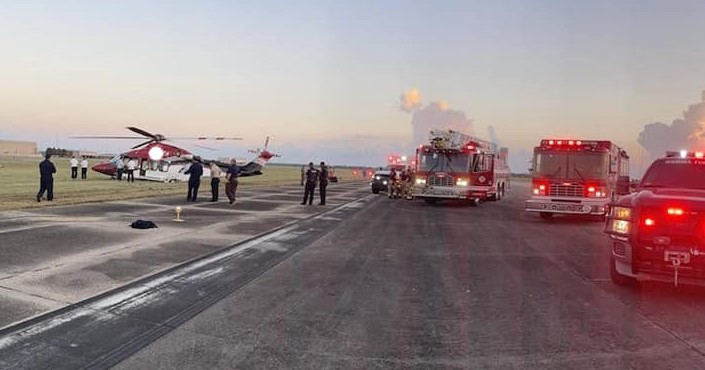
Dramatic AW139 Accident at Houma: Effective CRM contributes to recovery from a latent defect

On 24 September 2022, a Leonardo AW139 of ERA Helicopters, was involved in a dramatic accident near Houma, Louisiana from which the two pilots and four passengers emerged uninjured. It was an outstanding example of how when faced with a complex and ambiguous emergency effective CRM can make the difference.

Faced with smoke in the cockpit, seized flight controls, and engines that would only output maximum power, the crew managed to work together to get the crippled aircraft back to the field by cycling the engines from flight to idle, and then achieved an engines off landing to the runway.

Human Factors workbook – CASA

The Australian Civil Aviation Safety Authority has put together this Human Factors workbook for pilots, an interesting series of PDF booklets and accompanying videos covering topics such as Safety Culture, Human Performance, Decision Making, TEM and more. It also includes a workbook. Well worth a look, click on the link below.

Communications: People keep saying they’re important, but is anyone listening?

This case study by Rebecca Lougheed on The Aviation Space, looks at an incident from September 10th, 2023, when an Air China A320NEO carried out an emergency landing into WSSS/Singapore Changi international airport after the flight deck and cabin filled with smoke. The focus of the case study is on the communications, because as Lougheed points out they were good and not so good, and as ever provide lessons we can all learn from.

Skip to toolbar