Time to wake up: reactive countermeasures to sleep inertia

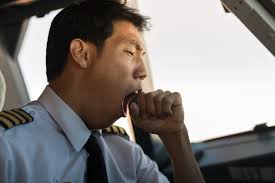
Sleep inertia is the period of impaired performance and grogginess experienced after waking. This period of impairment is of concern to workers who are on-call, or nap during work hours, and need to perform safety-critical tasks soon after waking. While several studies have investigated the best sleep timing and length to minimise sleep inertia effects, few have focused on countermeasures -especially those that can be implemented after waking (i.e. reactive countermeasures). This structured review summarises current literature on reactive countermeasures to sleep inertia such as caffeine, light, and temperature and discusses evidence for the effectiveness and operational viability of each approach.

Learning from adverse events

Source: Chartered Institute for Ergonomics and Human Factors This white paper from the Chartered Institute of Ergonomics and Human Factors explores human factors in incident prevention and management. Find out how organisations can gain a human factors perspective to investigating and learning from adverse events. Learn the key principles organisations can apply to capture the […]

Understanding human error in naval aviation mishaps

Ben Hutchinson discusses a paper analysing 95 serious incidents in naval aviation using the HFACS model. Error types are viewed as symptoms of deeper trouble within an organisation. Source: LinkedIn This was interesting – it studied 95 severe naval aviation mishaps. The incidents were evaluated using the DoD HFACS model, the applicability of HFACS was […]

Skip to toolbar