
 Written by
 Written by Daan
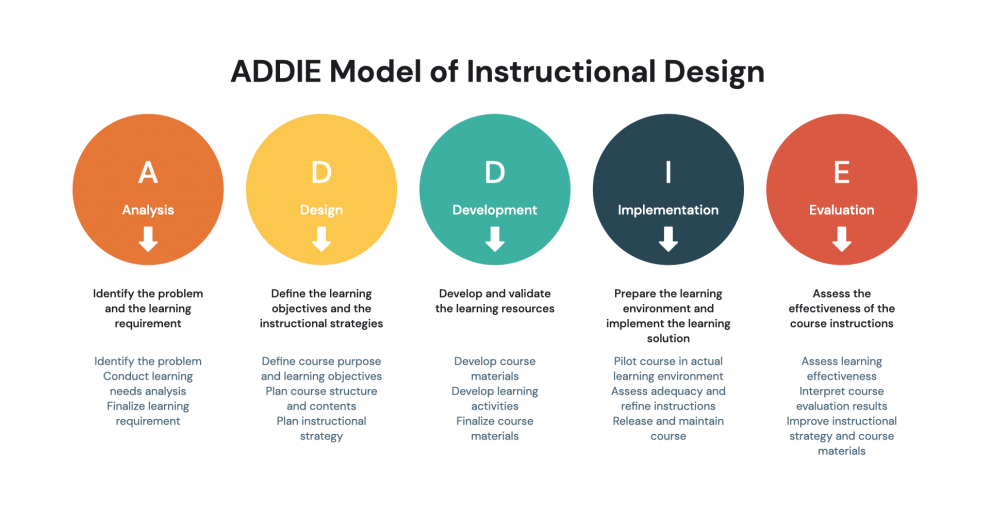
The ADDIE model is a widely-used framework for designing effective training programs, particularly in specialized fields like aviation. Let’s explore how the steps of this model can be applied to designing Crew Resource Management (CRM) training for pilots and cabin crew.
ANALYSIS The first step in the ADDIE model is conducting a thorough training needs analysis. This involves identifying the specific topics that must be covered, both from a legal standpoint and in terms of what would be beneficial for the participants. Key questions to consider include: What are the legal requirements? What additional topics could enhance the training? Where do the learning needs of the target audience lie? What do participants already know, and where are the areas for improvement?
To gather this information, input can be drawn from legal training frameworks, safety data, interviews with future participants, and feedback from management. By tailoring the course content to the specific needs of the participants, the training becomes both more effective and engaging.
DESIGN In the Design phase, the learning objectives and instructional strategies are defined. These objectives should directly stem from the findings of the training needs analysis. Key decisions in this phase include determining the format of the training (e.g., classroom-based, online, or blended), the number of participants, and the duration of the course.
A useful tool for crafting effective learning objectives is the SMART methodology, which ensures that goals are Specific, Measurable, Achievable, Relevant, and Time-Based. This approach helps in creating clear and attainable objectives that guide the development of the training.
DEVELOP Once the design is finalized, the next step is to develop the training materials and activities. This could include creating e-learning modules, PowerPoint presentations, videos, and classroom exercises. In this stage, it’s beneficial to collaborate with learning and development specialists to ensure the materials are pedagogically sound.
Diversity in the methods of delivery—such as mixing multimedia content with hands-on activities—can help maintain participants’ interest and improve knowledge retention.
IMPLEMENTATION During the Implementation phase, the training is delivered to the participants. Although the course is now live, it’s important to remain flexible and open to making refinements based on early feedback from the participants and instructors.
EVALUATION
Evaluation is crucial to determine the effectiveness of the training. One widely-used method is Kirkpatrick’s Four Levels of Evaluation, which assesses training outcomes across four levels: Reaction (participant satisfaction), Learning (knowledge and skills gained), Behavior (application of learning on the job), and Results (impact on organizational performance). It is displayed in figure 2.
Regularly applying these evaluation methods ensures that the training is not only effective in the short term but also contributes to long-term improvements in safety and performance.
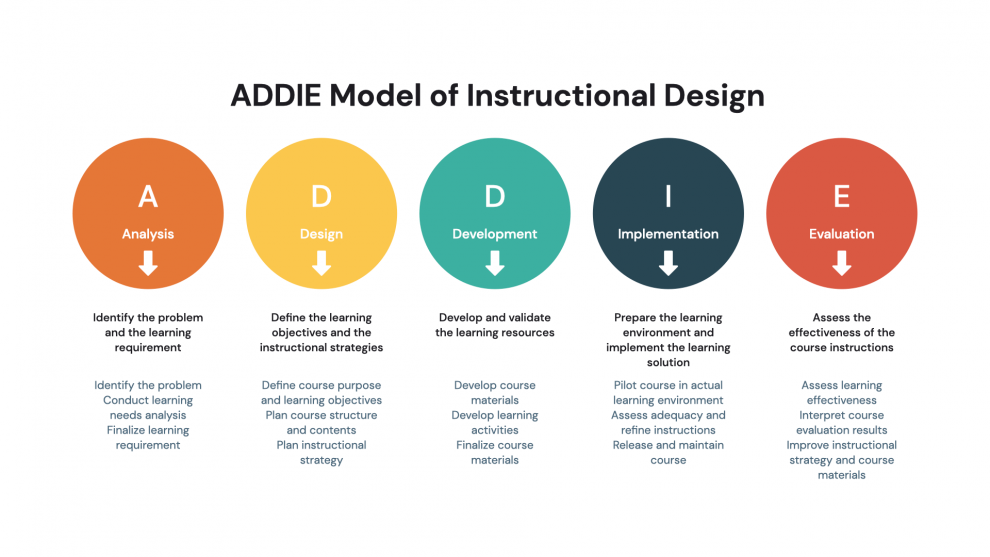
Figure 1. The ADDIE Model. Image Source : https://hislide.io/product/addie-model-of-instructional-design/
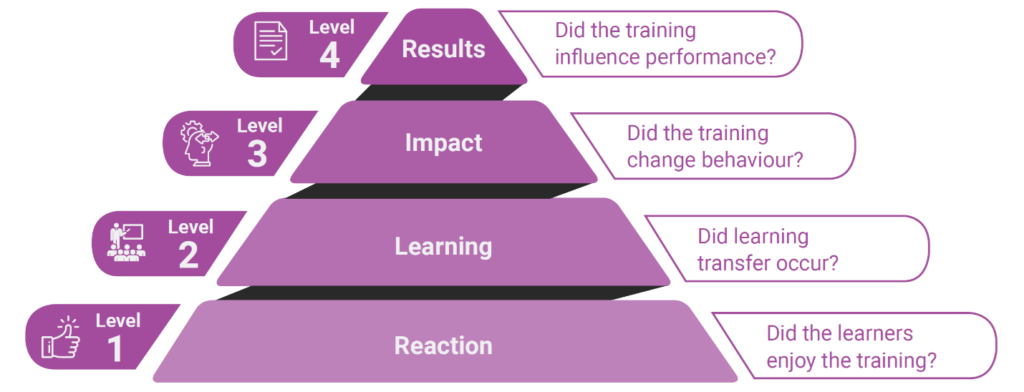
Figure 2. Kirkpatrick’s 4 levels of evaluation. Image source : https://kodosurvey.com/blog/how-master-kirkpatrick-model-training-evaluation
Conclusion
By following the ADDIE model, you can create a structured, comprehensive training program that meets the specific needs of aviation professionals. This approach ensures that the training is not only useful and effective but also engaging for all participants.