
 Written by
 Paul Stevens, expert in aviation English from Mayflower College, U.K. offers a point brief in how fatigue can effect our operational communication.
Source: LinkedIn
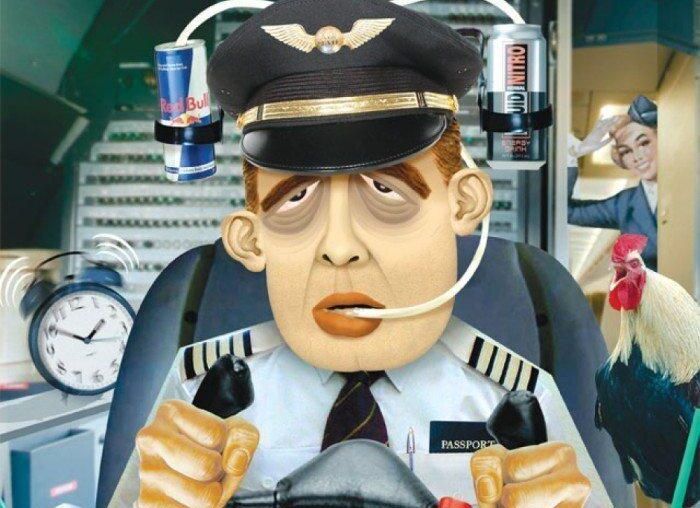
💤 FATIGUE AND ITS EFFECT ON COMMUNICATION IN AVIATION ✈️ Fatigue is a hot topic in aviation. We know that fatigue can negatively impact our:
⚫ Reaction times
⚫ Situational awareness
⚫ Motor skills and coordination
⚫ Ability to focus, concentrate and stay alert
⚫ Problem solving But fatigue also effects our ability to *COMMUNICATE* clearly and safely.
𝐒𝐏𝐄𝐀𝐊𝐈𝐍𝐆 When we are excessively tired we may:
🟧 Slur our speech and have trouble pronouncing certain sounds.
🟧 Find it more difficult to adjust our speaking (for example, slowing down) to meet the needs of others.
🟧 Struggle to find the right words and organize our thoughts (this is especially important for those not using their first language).
🟧 Have problems keeping our speech short and concise (which of course is essential for safe, efficient R/T).
𝐋𝐈𝐒𝐓𝐄𝐍𝐈𝐍𝐆 When we are excessively tired we may:
🟧 Struggle to process (cognitively) what has been said.
🟧 Find it hard to concentrate and focus on what others are saying.
🟧 Have problems empathizing with others, fully understanding their perspective and keeping our patience.
Excessive tiredness can also result in stress which then makes speech seem faster. Yes, fatigue can greatly impair communication skills, leading to misunderstandings, phraseology mistakes, incorrect readbacks and missed instructions. #aviationsafety #fatigue #fatiguemanagement #communication #radiotelephony